Still time to see Munch at the Modern

A little art, to beat the post-Olympic blues.

Anyone who has spent a happy afternoon wandering around Oslo will avoid only with difficulty developing an interest in Edvard Munch. This most famous of Norwegians may have spent much of his twenties and thirties overseas, but the capital was where he was born and grew up and returned to, and the wonderful soft light of the city was surely an influence on him. I’ve been lucky enough to visit a few times, and have been to see some of his works up close.

Time is running out to see Edvard Munch: the Modern Eye, which finishes its run at London’s Tate Modern on October 14. The Hall clan attended today – and can report that the real interest in the exhibition is beyond the familiar works but in the wide perspective the show takes of his career. Painting and portraiture is here, but photography and more abstract works such as those interpreting what he could see through his right eye, post haemorrhage.

There is, boldly either by design or necessity, no The Scream here, and in many ways the show is better for it. With the blockbuster absent from this big-ticket exhibition the rest of Munch’s work can breathe a little. To be recommended.

Hampstead Heath Duathlon

On a grey September Sunday about 200 hardy souls gathered round the edge of Parliament Hill Lido for one of London’s most unusual races. They looked ready for a swim, but the tri-suits suggested a bike ride and run added into the mix. In fact, this was the 14th Hampstead Heath Duathlon. Many of the competitors were triathletes, others from local swimming and running clubs trying to outdo kindred spirits at their own games. There were also more than a few enthusiastic plodders like me, who excelled at neither discipline but like doing both, and in particular like doing both on Hampstead Heath.

What marks out the Duathlon out is the way it shows off so much of Hampstead Heath. Competitors swim in the Lido, Men’s, Ladies and Mixed Pond, and run between them across some of London’s most bucolic scenery. The finish, on the running track gives a taste of proper athletics.

All that felt a long way away as I shivered on the side of the Lido watching three waves of swimmers plunge into the water and then swim the regulation three lengths. Gasps from softies at jumping into 17c water accompanied each wave. Lengths completed, everyone gets out, pulls on trainers and runs off toward the bandstand. Summer Sunday mornings at the Lido are usually blissful family times. On this late summer’s morning there was no sun and a cold northerly wind on this morning but hardy Hall boys still had a paddle while waiting.

After probably a bit too long standing round in skinny shorts I jumped in and pushed off.  My approach to swimming is heavily influenced by Roger Deakin, who advocated nosing slowly along, doing breast stroke, and taking in the scenery. As that would have seen me left well behind by zippy types in lycra I got my head down and bashed through the distance. After some dizziness getting on my way out of the Lido – surely due to having to put some effort into swimming for once – I got into my rhythm running to the Men’s Pond and was feeling in fine fettle exiting the water there. I’m not fast at any sport but if I can do one thing, I can swim round that pond in any conditions.

The other big incentive – for men at least – is that the Duathlon offers the chance to swim in the Ladies Pond. This is the second time I’ve done the event, and I remember thinking two years ago that here was a softer place than the y-chromosome pond with its spartan, wonderful facilities. Willows hug the banks and it feels like a secluded secret garden. This time I’m sure the water, from closer to the spring of the eastern arm of the Fleet, felt softer too. That it may be, or possibly my legs had just gone a bit numb.

The two longest runs connect the Ladies Pond with the Mixed, and that shortest swim with the finish. I made up a few places on others during the runs and warmed up a little before finishing, and a hot shower. Though I swim on the Heath year-round the 17c water felt like it got progressively colder as the course progressed, probably due to inappropriate clothing and being quite slow. 47 minutes was faster than last time, though, and will do me just fine.

The Duathlon has grown in popularity over the past few years, as triathlon participation rates have gone up. You don’t need to be a triathlete (I’m not) to enjoy this Duathlon though, just a bit of a masochist and keen on doing something active and silly on a Sunday morning. Watch out for entry forms, usually available from the Lido in early summer.

Sleeve notes from an old Dylan LP

I’ve never become a huge Bob Dylan fan. Like Springsteen, Bowie and Leonard Cohen I’ve listened enough to admire him, and grew to love one or two albums but that kind of obsessive devotion that he inspires hasn’t gripped.  I’m hung up on plenty of musicians that won’t ever get anywhere near the exalted status of the legendary names above. Maybe that’s a worry. No matter.

The Freewheelin’ Bob Dylan is the Bob album that I’d unhesitatingly list as my favourite. My copy was rescued from the £1 basement of Record and Tape Exchange on Camden High Street when it was on the other side of the road from its current location. That shopfront, which must have sold so many albums to so many people of different nationalities might be the Pret now, or may be another dismal clothes shop.

I brought it on the same day as a rather natty Levi’s corduroy jacket. Dark blue. When I got home with both my Dad, possessed by Sixties nostalgia put the album on. More disturbingly, he put the jacket on too. The vinyl, which is almost 50 years old, plays beautifully and without a scratch. The cover shows Dylan and a young lady (were I a Dylan nut I’d know who she was, but I don’t) hunching while walking, smiling, down a wintry New York street. It’s a lovely picture, romantic and youthful.

The sleeve notes, on the back, a another treat, written by Nat Hentoff – still a well-known writer and commentator – and quoting Dylan on each song. Two notable extracts:

Don’t Think Twice, It’s All Right
(quoting Dylan) “you see, in time, with those older singers, music was a tool – a way to live more,  a way to make themselves feel better at certain points. As for me, I can make myself feel better some times, but at other times it’s still hard to go to sleep at night.”

Bob Dylan’s Dream
The song is a fond looking back at the easy camaraderie and idealism of the young when they are young. The is also in the Dream a wry but sad requiem for the friendships that have evaporated as different routes, geographical and otherwise, are taken.

The notes conclude:
“It is this continuing explosion of a total individual, a young man frowning free rather than absurd, that makes Bob Dylan so powerful and so personal and so important a singer. As you can hear in these performances.”

You can probably still find copies for a quid all over the place. That’s not much for a lovely album.

Switzerland, like a dream

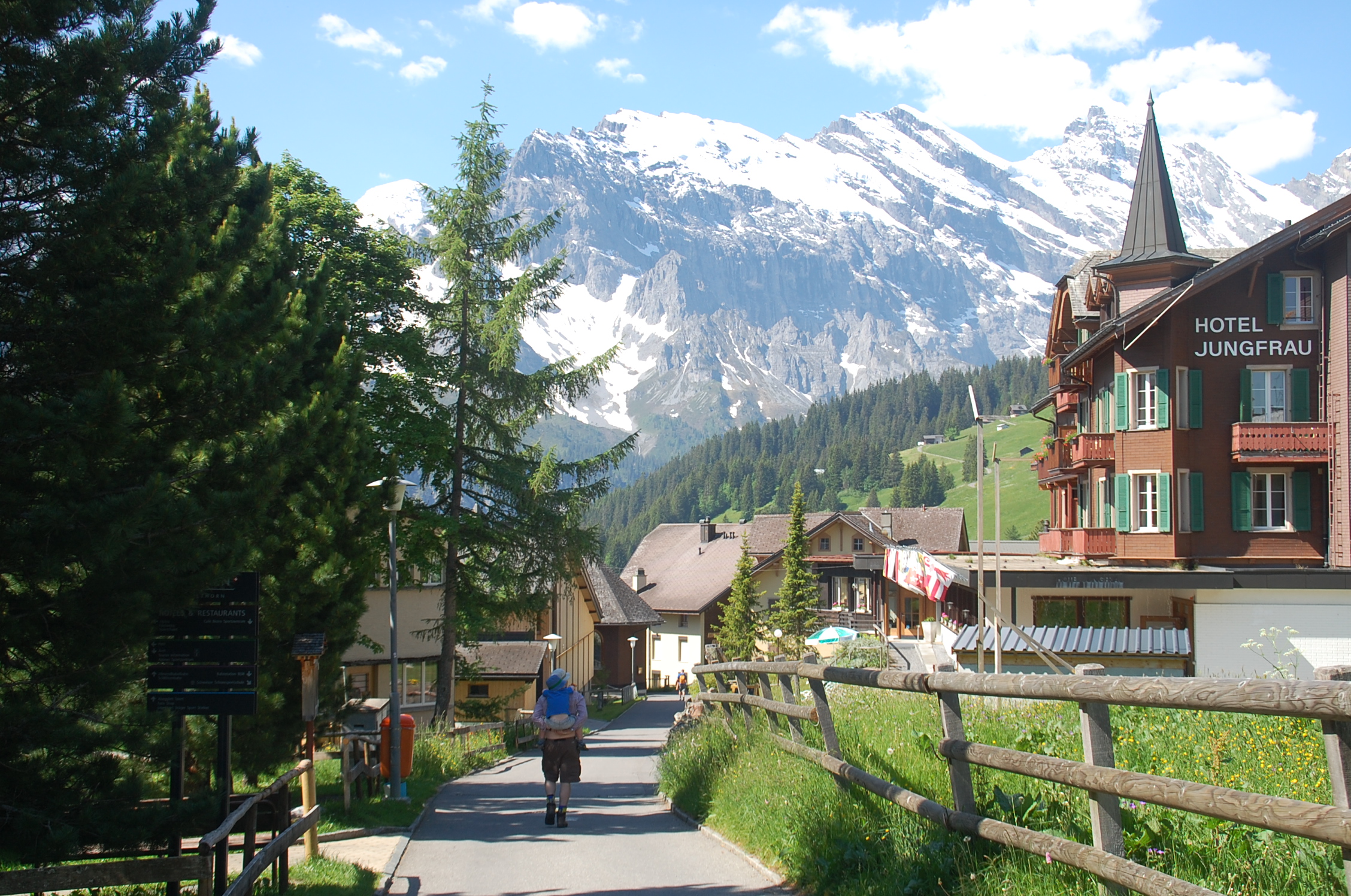
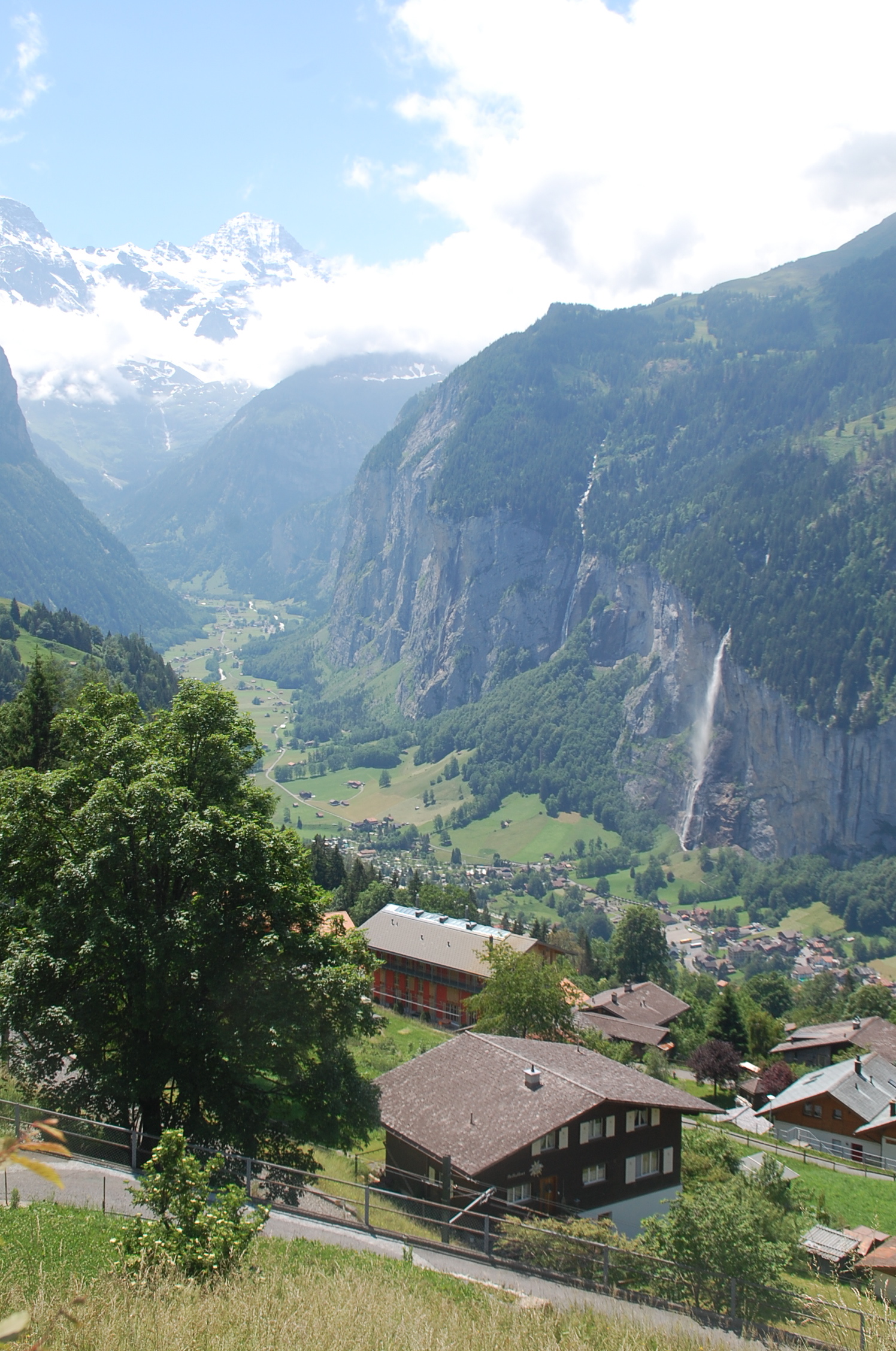
A few photos from a recent visit to Switzerland, which did not disappoint.

Image

Mürren, between railway station and Allmendhubel cable car

Image

…and walking back down again

Image

Front seat on the ride back down to Lauterbrunnen

Image

Towering high Alps from Bort, accessed via cable car from Grindelwald

Image

Lauterbrunnen from below Wengen

Image

Lake Thun during a storm

Disastrous visits to Paris – and the odd near miss

Image

Gateway to adventure

  1. April 1994

My first visit to Paris reaches its apogee with a few hours in a CRS detention cell in the west of the French capital. Assured by a community of ‘in-the-know’ nuns (Family connections. Useless ones.) that tickets would be freely available on the day of the Paris Saint-Germain versus Arsenal European Cup Winners Cup Semi Final my Dad and I made our way over to Paris for the match.

A pleasant enough morning at the Eiffel Tower turned into a fairly dismal afternoon. Ticketless Arsenal fans were rounded up on the promise of getting entry to the Parc des Princes, then forced into buses and driven away from the stadium. A few hundred of us were kept hostage until the match was over then let out, irritated, into the Parisien night, to find our way back to hotels and transport. I passed the time in these pre-mobile phone days by writing postcards and listening to the game on the radio. The roar when Arsenal scored scared a few French coppers. Not a prawn sandwich in sight.

Image

The game I never saw

I missed a mock A-Level exam to go to Paris that day. My teacher was not amused. Some of my fellow students found it hilarious. Indignant at this travesty of justice (and missing the 1-1 draw) I vowed never to return to Paris. Until inter-railing that summer.

2. July 1994

By this time I considered myself something of a streetwise traveller. Had I not already had a brush with the law and, armed with a GCSE in French nothing would stop me enjoying a triumphant return, this time with my brother as we took a series of trains from London to Rome, via Dover, Calais, Paris and Milan. No Eurostar in these days, either.

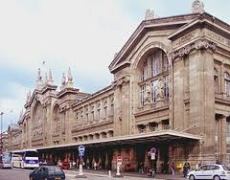
We arrived to find the streets outside the Gare du Nord stiflingly hot, and local authorities had water hydrants running to cool things down. We had all the time in the world to saunter across town to Gare de Bercy, from where our sleeper was leaving from. As a tribute to our Gallic hosts my brother had packed the entire contents of our fridge at home into a baguette, the longest we could find, which we ate for the entire journey. We may have enjoyed a glass of vin de table or two – I do not remember. Either way, I had read and re-read our sleeper reservations which clearly said we were leaving at 8.30pm. We strolled into Bercy to see the train was, in fact, leaving at 7.30 and was about to depart. A sweaty sprint to catch a moving train later and we were off.

I don’t know if you’ve ever arrived, out of breath and perspiring, onto an already hot train and sat down in a crowded sleeper compartment, then pulled out a very long and very smelly day-old baguette but if you haven’t then may I tell you it is no way to make friends.

A near miss, but a wonderful one. Sadly we enjoyed an uneventful return trip to England, probably because we travelled via Belgium.

3. May 1995

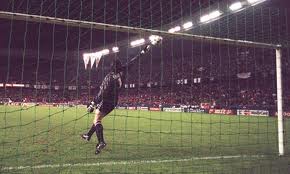
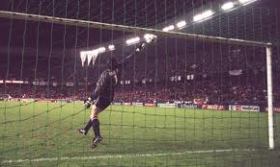
Having not learnt my lesson at the PSG game, the following season Arsenal again reached the final of the European Cup Winners Cup, to be held in Paris. As the venue was the same stadium I had failed to gain admission to the previous year I was keen to attend, and had managed to get a ticket this time round. Apart from nearly getting arrested again when the air horn I had purchased decided to explode at the foot of an unimpressed-looking member of the gendarmerie, nothing bad happened this time. Unless that is you count losing to a freakish 60-yard lob from an ex-Tottenham player in the last minute of extra time. Trouble is, I do count that. As do fans of both Real Zaragoza, who Nayim won the cup for, and Spurs fans, who delighted in the event when I got back to college the next day.
Image

Fluke

4. July 1995

Inter-railing again, this time with what must have been an optimistic sum of money given some of the places I ended up sleeping. At Gare du Nord a flyer is thrust into my hand advertising beds for 45FF (less than a fiver) for the night. I went in, and spent a terrifying evening listening to what seemed to be two people torturing each other across the airless courtyard. It was too loud and too hot to sleep. The following day small children frolicked in the fountains at the Centre Pompidou. I dozed off and nearly fell in. Very surreal.

5. May 2006

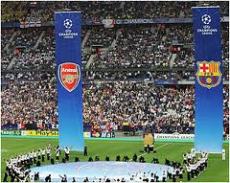
Another European final, and another visit to Paris. More correctly, to St Denis, burial place of the Merovingian and French kings for centuries until our Gallic cousins got tired of all that monarchy malarkey. The Stade de France, built for the 1998 World Cup is a splendid venue, and an apt place for Arsenal’s first European Cup Final, or Champion’s League Final if you’re into modern branding in football.

By this time there were quite a possee of us attending Arsenal matches home and away. The run to this final had seen some exciting jaunts already to Madrid and Turin, both of which had seen positive results. With tickets secured, six of us took a hired people carrier on the cross-channel ferry and parked it in a quiet back street near the Stade de France.
Image

Before the trousers incident

Arsenal (who lose a lot of finals, you may be thinking – and you’d be right) once again lost, in fairly heroic circumstances to Barcelona, who were just beginning their long period of dominance of European football. We nearly had them but conceded two late goals.

So far, so not so good. But things got worse on return to our car which, along with every other British or Spanish vehicle on the street had been broken into. The thieves had got away with some goodies – our sandwiches (rock and roll) for the return trip, some booze we’d packed in case we won and wanted to celebrate, and most strangely of all my best mate’s trousers he was planning to change into as the night chill came on.

We were all keen to get home, and some of us were keener than others to go to sleep and wake up in London, but first we had to negotiate the long drive to Calais. With a broken window. I was at the wheel and one of our group manfully sat by the open window, which only had a t-shirt left on our seat in the stadium covering the gap where glass should have been. At 90MPH, driving through a thunderstorm that suggested someone was unhappy at the performance of Manuel Almunia in the Arsenal goal, the t-shirt did not do much good. We all got wet and cold. Doom, doom, doom.

This trip was much, much worse for the poor unfortunate who had attempted to enter the ground by scaling the spike-topped fence. Losing his balance, he had impaled  himself on one of the spikes. Quite how medics removed him I do not know, nor do I know if he recovered or not.

6. Redemption

I have had some wonderful trips to Paris. Especially when not trying to watch football or be a cheapo Inter Railer. Best of all was a trip on the first Eurostar out of St Pancras International with my wife and infant son. That said, memories of marvellous disasters of the past are always there, and always worth toasting when I find myself in more pleasant circumstances. Paris, as they say, je t’aime.

Two recent interviews on London and the Olympics

Planning a visit to London this summer? Seems plenty of you may be.

I recently contributed an interview to CNN with advice for travellers coming to the British capital for the games.

Continuing the American theme, there’s some more advice in this New York Times piece.

Anyone coming over?

Strange punishments in Byzantine Constantinople

Among the many delights of John Julius Norwich’s superlative Byzantium trilogy is a huge and astonishingly varied number of ways to inflict pain on human beings. I’m not even halfway through volume two and already towns of heretics have been immolated, enfeebled Emperors have had their hands hacked off and turbulent clerics have been blinded by being forced to stare into steaming bowls of retina-wrecking concoctions. Even those with no interest in the history of late antiquity and the early middle ages will find much to enjoy in the gory details.

None quite match the fate meted out to Theodore and Theophanes, two ninth-century writers from Palestine. Without going into too much of the story, these two scribes were iconodules, or fond of icon veneration, one of the most divisive issues the Byzantines had to deal with. At the height of Emperor Theophilus’ anti-iconographic reign (829-42) the boys were brought to Constantinople and given the standard beating and flogging to change their minds, but they declined.

It was then that they were held down and had  twelve lines of ‘abusive lampoonery’ tattooed on their faces. And that, poor quality of verse or not, was intended to be a lesson to Theo and Theo, who were promptly dispatched to Apamea, forever branded with unkind verse.

The war over icon veneration claimed many victims, but none in quite such an unusual way. Theodore died from his wounds, while his brother survived to see the triumph of Orthodoxy. Poor chap. There are more gory details to shock and delight as the centuries roll by: the Byzantium trilogy is a highly recommended read.

New York notes, part one

New York’s pace and energy is infectious. I have been to a few places that have absolutely thrilled me – Istanbul, Damascus, Palermo, Amsterdam, but for that first and lasting rush of excitement it is here, and London, and nowhere else. Here or Istanbul for a ‘let’s go now’ anytime break? Too hard to say.

I’m staying at the Yotel Times Square, which is a long way from my favourite part of town but something of a revelation as a hotel. I was able to see Yobot, the robotic luggage porter, do its thing and check in early. The very fresh room had a decent size bed, shower, TV and fantastic Hudson River views. What moe could you want?

Yotel - jolly good show in Theatreland

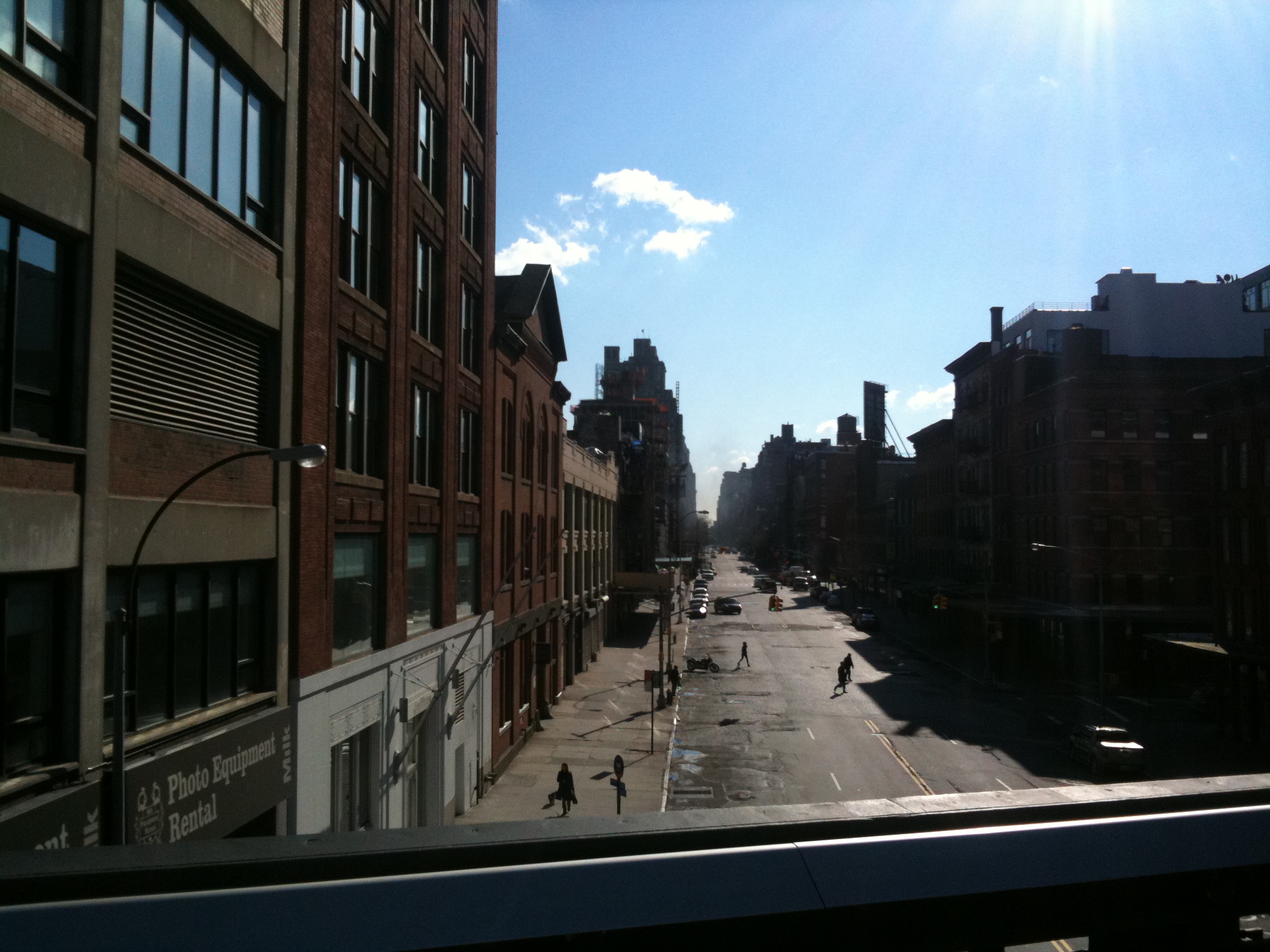
First stop, the High Line. New, unmissable, edgy, accessible. I rush it, to be honest, in the early morning cold and wind, glad for my tweed jacket and feeling like Sting’s Englishman in New York. Caffeine at Joe, the Art of Coffee (6.5/10, though they did give me another fill up when I knocked my first one to the floor in excitement), a typical Manhattan bacon and egg roll and a haircut (4/10) and my Chelsea pit-stop is done.

I strolled from the end of the High Line through the Meatpacking District – fully gentrified since my last visit and, truth be told, no longer terribly interesting by day. I’m sure it’s great at night but I’m not!

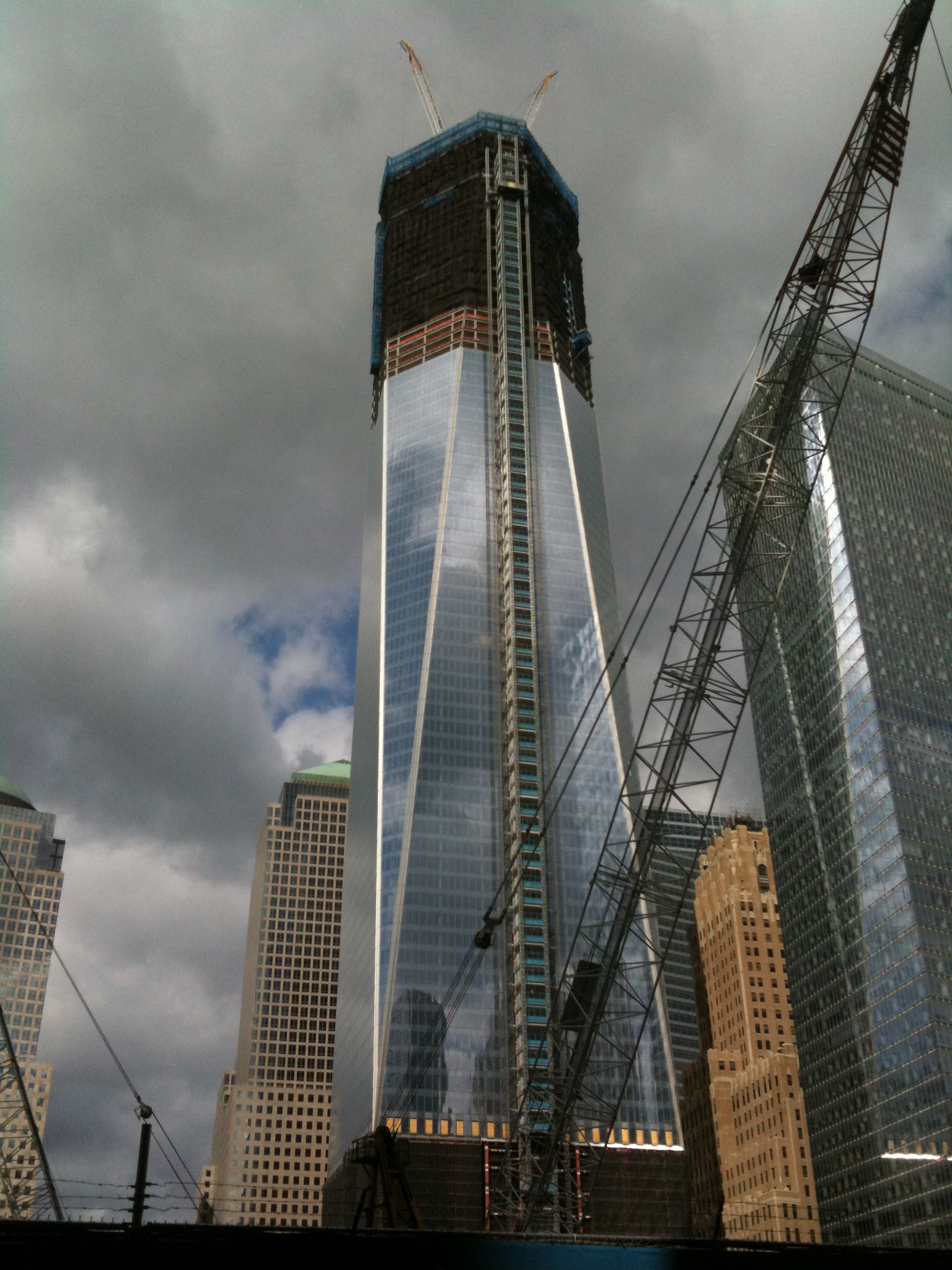
On through Greenwich, Soho and into Lower Manhattan. It may have been a busy February Saturday but I was able to get a walk-up ticket (free, like the best things in town) for the 9/11 Memorial. It was fascinating, moving and huge, with big crowds. Go, and consider reserving ahead. The rigourous airport style security to get in, complete with stressed-looking staff was another reminder of the legacy of that day. If you seek my memorial, look around you indeed.

1 WTC takes shape

Next stop was Strand Books, the magical repository of dusty delights on envy subject under the sun. It is also the place that’s given birth to a million tote bags. Allow three hours for a leisurely browse of history, sport and NYC books. There’s a toilet in here which is a boon in a city that’s low on public conveniences. Good coffee nearby.

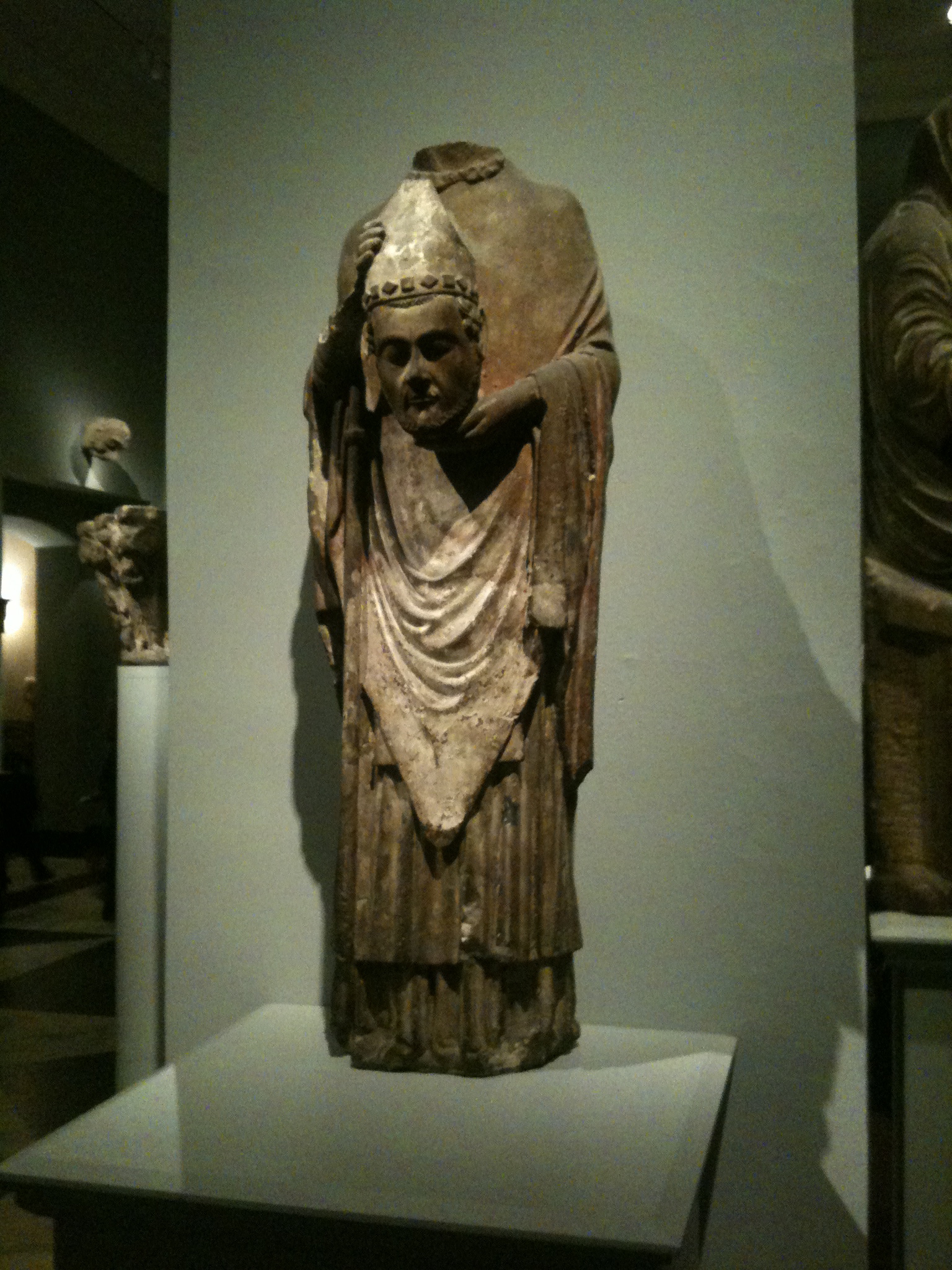
It all gets a little confused after this, probably due to the effects of the previous night’s red-eye flight. At some point I passed through Grand Central twice, ate several hot dogs and slices of pizza and rode several subway trains, popping out at the Metropolitan Museum of Art. It is wonderful, undeniably, but I find  the pricing structure odd. The suggested donation is a whopping $25. I paid it. The chaps in front of me paid $1. The whole thing is slightly confusingly done. It’s Byzantine galleries are magnificent and it has that air of an unparalleled cultural institution.

He lost his head in New York

My evening mission was to return to Greenwich to visit Rebel Rebel, a lovely record shop in a city where vinyl can be hard to find in quality or quantity. From there I headed back towards Times Square, not a part of town locals give a monkeys for but lovely at night, and the home of the Uptown branch of Shake Shack. Celebrated for its burgers,word is well and truly of about this pace and the queues were dramatic. My fault for going at 6pm on Saturday night. Then, after a quick-fix alternative nearby, a bar selling burgers and craft beer from all five boroughs (a Queens IPA was especially tasty), back to Yotel, where the city looks wonderful and a party is starting, and off to sleep.

Ten years of the Tour d’Afrique

The best ideas are usually very silly ones. Riding a bicycle from one end of Africa, the continent of ultimate travel, certainly fits the bill. Designing and leading a tour that allows ordinary men and women to fulfil a dream to do just that takes a silly idea and multiplies the logistical challenges by far more than the number of people there.

That’s where the Tour d’Afrique comes in. This bicycle race and expedition, running over 8,000 miles from Cairo to Cape Town and taking in Egypt, Sudan, Ethiopia, Kenya, Tanzania, Malawi, Zambia, Botswana, Namibia and South Africa is celebrating its tenth anniversary. I was lucky enough to ride a section of this in 2009, and found it an unforgettable adventure. I won’t go into the details here, but you can have a read about some of the more memorable moments in this post.

The Tour has in some ways come a long way in ten years, and the company behind it has launched tours covering many other parts of the world. The essence, though, remains the same. A spirit of adventure, of making the impossible possible, of pushing the limits of what individual think they can achieve. Most of all the expedition is one long love letter to Africa, to camaraderie and to the human spirit.

Happy trails

As this is all undeniably worth celebrating, hats off to the intrepid crew behind the Tour, who have marked ten years on the road in Africa with a sumptuous hardcover book. Celebrating ten years of the Tour d’Afrique bicycle race and expedition captures the experience of riding brilliantly. The wildlife, scenery, colleagues, kit, bikes, and above all Africa in its mutlicolour glory are all represented here. If you’ve ridden a stage or more – and chapeau in particular to any EFIers out there reading this (you get your own section, naturally) – a glance at this lovely book will bring your long-gone saddle sores back to life in an instant.

Bob Geldof in 2006 said “when I talk about Africa I have a feeling here in my stomach. Sounds stupid, I know. It’s not a romantic thing. It’s almost a physical feeling, which translates as “fuck, I wouldn’t mind being there now”. He couldn’t be more right unless he’d added “on a bike, in 45c heat, with a third night under the canvas and a double helping of tuna pasta ahead of me.”

Click here for more about the book, and the Tour generally.

Train food: the rules

A strict code of etiquette governs eating on proper* train journeys, and as today is a busy day for travelling I thought it only appropriate to publish these guidelines for the first time.

1.    Train food must either be made at home, or purchased from outlets at the station. No other food can be consumed other than the inferior fare available from the buffet car.

2.    Train food should be more varied than a standard packed or desk lunch. So exotic items such as mango and pineapple chunks can be added to crisps, sandwiches and the like.

3.    Regular calorific regulations do not apply when eating on a train. Large bags of crisps, maxi-packs of chocolate and ‘Percy Pig’ type sweets are essential parts of Train Food. Healthy items like mango and pineapple chunks can be added to give the impression one is eating in a better way, provided the less healthy items are consumed in full.

4.    On boarding, Train Food must be taken out of any plastic bags and carefully arranged on the tray table in front of you. If you have noted rule (3) this will mean your dinner will easily cover the table, and spill over onto the person’s next to you. If you have a proper table, you will end up drawing imaginary lines on the table with the person opposite you. Do not engage in conversation about this. It is you against them. The loser risks having their food pushed onto their laps.

5.     Train Food must not be consumed until the train is moving.  This is the golden rule of Train Food. Anyone opening a can of pop or box sandwich or even scoffing a sneaky crisp should be the subject of hoots of derision from fellow passengers, including strangers. No hooting in the Quiet Zone carriage, where silent mockery is in order.

6.    Due to rule (4), you will find that moving out of your seat while eating, once you have begun, is quite impractical. Therefore expect eating even large amounts of food to take up a reasonably small part of your journey.

7.    Someone near you will have something that looks nicer than yours. The only way to deal with this is to ensure you eat all yours, quantity trumping quality.

8.    You will finish your meal to find that you have a large amount of detritus surrounding you, and no obvious way of disposing of it. The annoying person from rule (7) has probably finished before you and put their empties, which once looked and smelt so nice, in the little bin between two seats. It will now begin to not smell so nice. You can either wait for the man or woman with the enormous bin-bag who thunders down the train as you approach the terminus of the service, or take your empties with you.

9.    Eating a full meal on arrival at your destination is generally still appropriate.

*Those of 60 minutes or more. Less than that and you risk spending more time buying your picnic than riding the rails eating it.