Tag Archives: football

May 2026

Monday 18 May

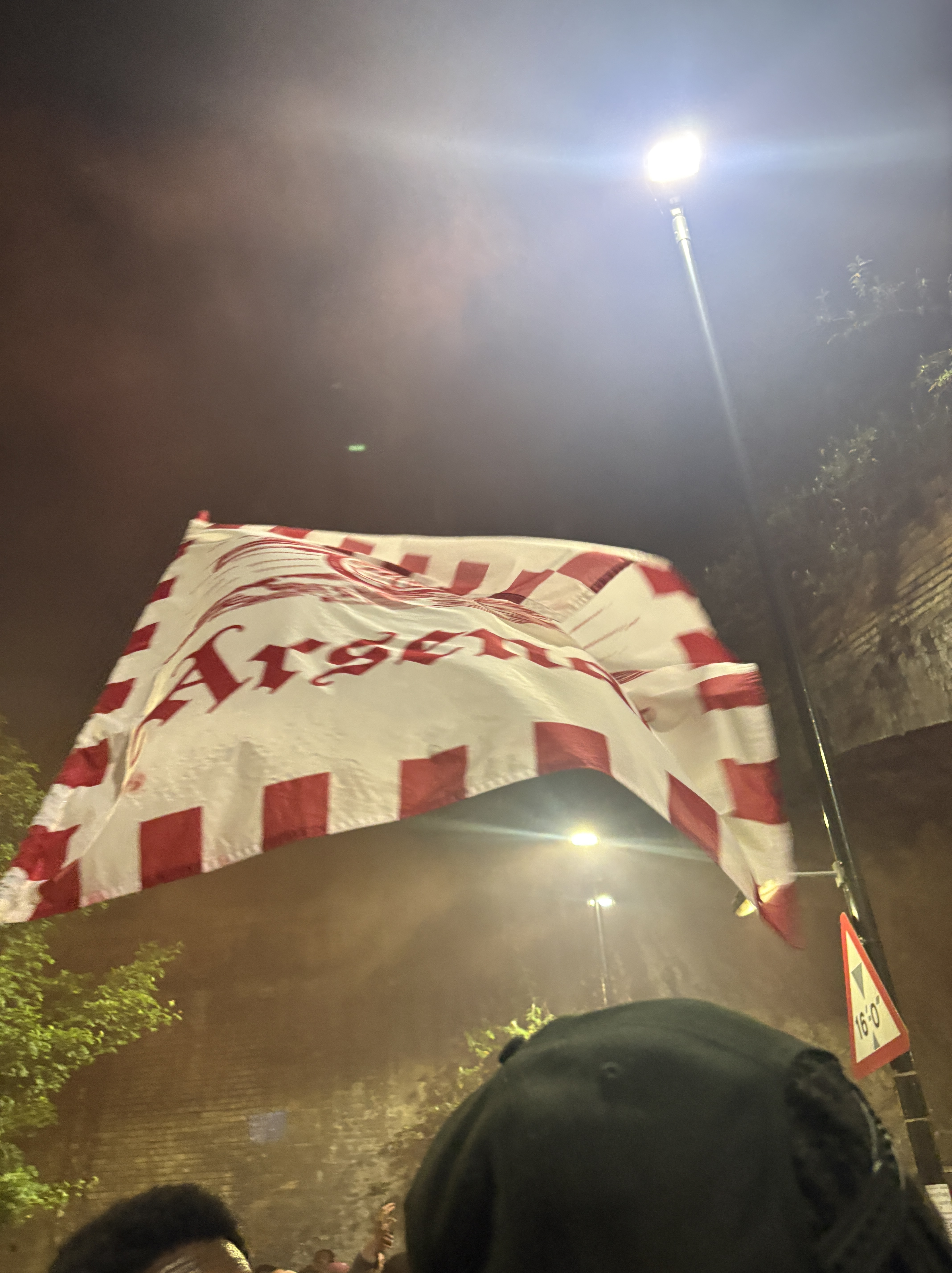
This, I said to anyone of an Arsenal persuasion who would listen, was either going to be an amazing week or a bloody awful one. Two wins were needed to finish the job and win the league, the great grail, at home to Burnley on Monday evening and away to Crystal Palace on the final day. Or Manchester City drop points against Bournemouth and, with a win against Burnley, it was done. I had no idea, I just turned up at Bear Roundabout and joined in the singing as the buses went past in a fog of red smoke. I met Ted for a beer outside the ground and we shivered in the late Spring air, before enduring a 1-0 win. It wasn’t as tense as the West Ham away game – then again, nothing will ever be – but we were still one fluke from disaster. At full time I found myself saying ‘that might be enough’ to everyone around me. In my head, it would go to the final day. News of Pep Guardiola’s imminent departure leaked during our game. On balance, probably a good thing for us. At the very least, it sounded unplanned for them.
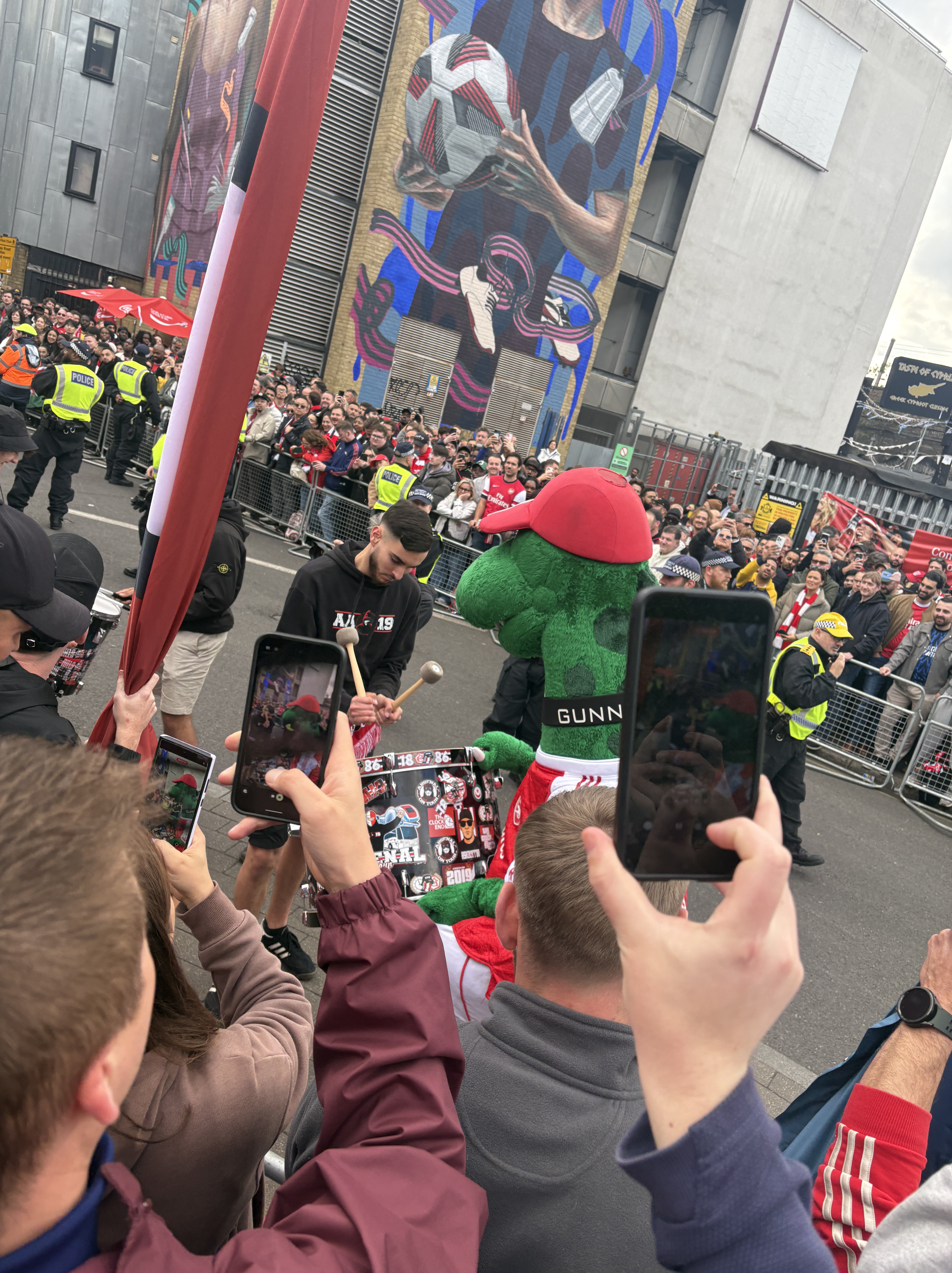
The pictures I have from this evening look very calm and restrained. Looking back they were a taste of what was to come. Though after the game everyone just went home.

Tuesday 19 May

There was no way I could bear to watch the City game. But I didn’t know what to do. First I went for a walk. Second, I got the kick off time wrong, so it turned out I’d paced around for the first half hour of the match. This was good. Then I started copying out a long passage from Beowulf. I suspect I was the only Arsenal supporter doing that. Then George shouted down that Bournemouth had scored. For a fleeting second the thought entered my head. This is it. Then I banished that and went back to Beowulf. I figured if the best happened, I’d find out via the cheers of the boys. As the game went on without further updates and we got closer I noticed Imogen tracking the game on her phone. She had suggested she might go and have a bath and I quietly asked her not to and to remain at the table. ‘What happens if it’s a draw?’ she asked, prompting a panic. Then she told me there were six minutes of stoppage time. Then City scored. There was only a minute left. I started praying out loud. Then one of the greatest sounds I have ever heard: Harry and George cheering, chairs being pushed back, Winnie running downstairs, pandemonium in the kitchen. Like thousands of other people I was sobbing as I am now again, writing this down. 

We put the TV on to see an on-screen banner proclaiming Arsenal were champions, and the City players looking downcast. I phoned Dad – who had no idea City were even playing and so was extremely delighted to hear we’d won the league, and Mum and Mick. More hugs, more tears. Bloody done it.
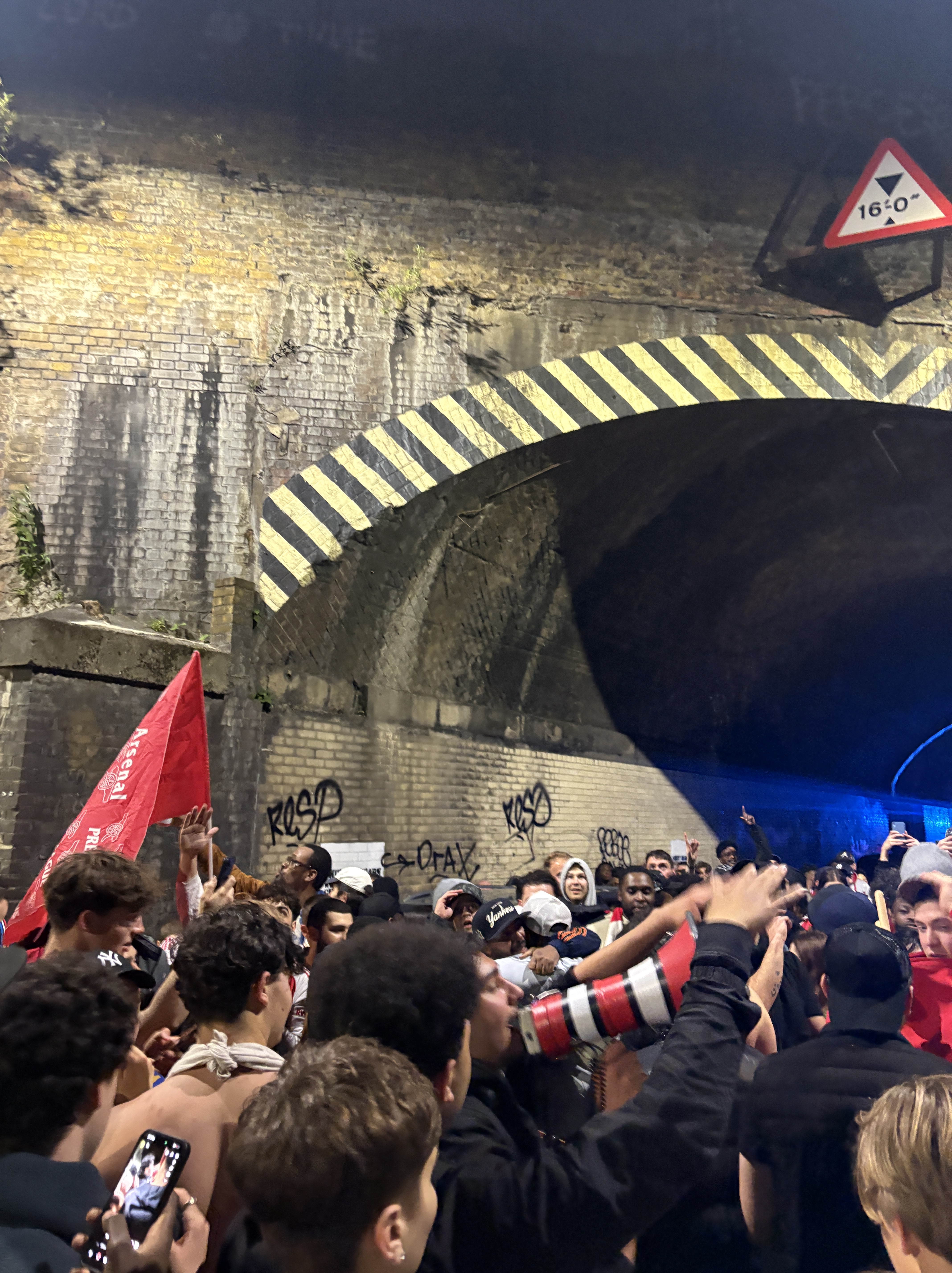
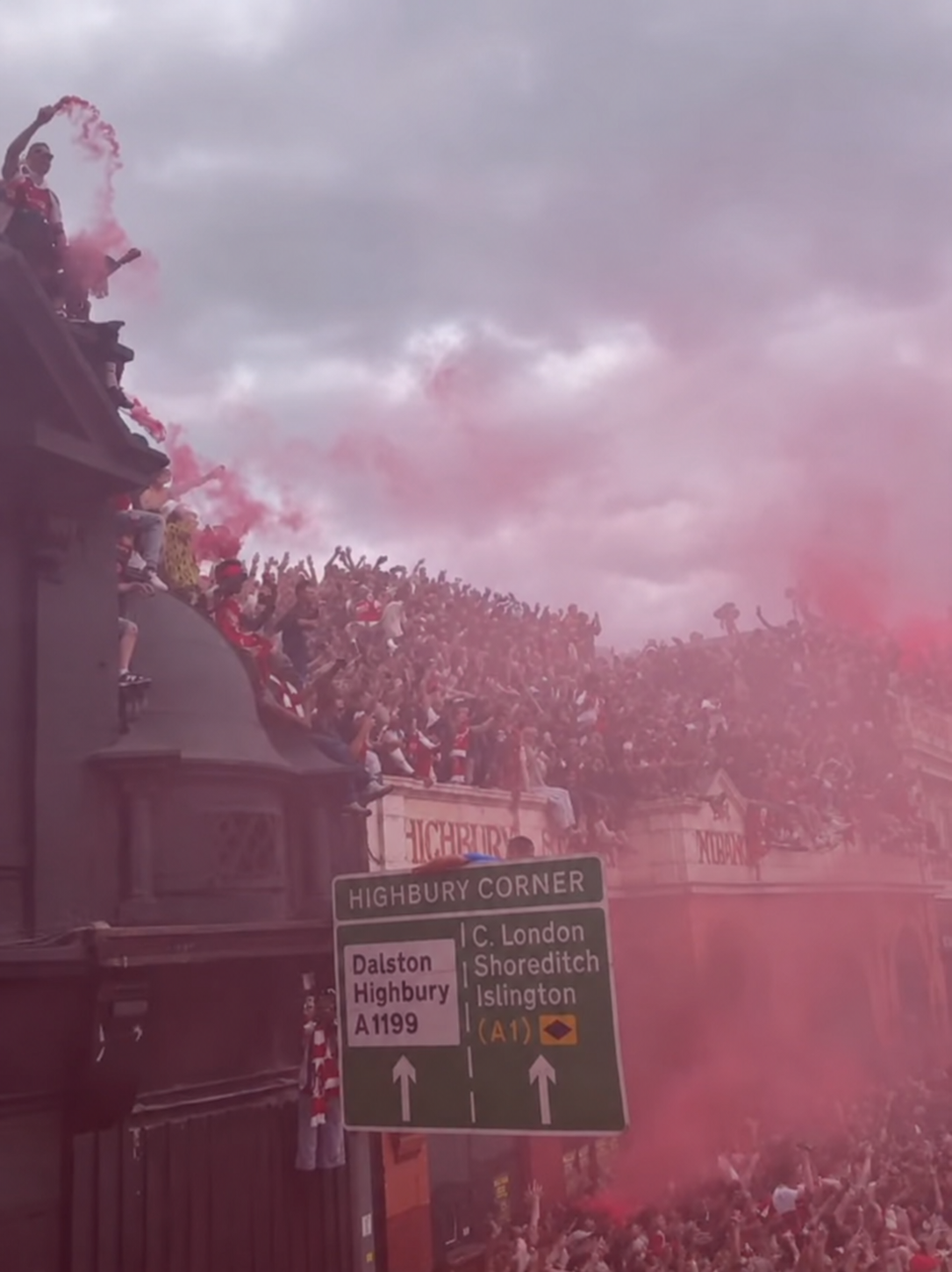
Imogen said her friend’s husband was going  to the stadium. Winnie said I had to do the same. The house needed to calm down for exams. I grabbed a scarf and ran down the street, immediately bumping into an Arsenal fan, then another group, people emerging from the night to pile onto the tube. At Archway the cars were already backed up, horns honking and people cheering. I ran down Holloway Road, twirling my scarf round my head, the noise around the ground hitting you way before you got there. For the second time in 24 hours I found myself next to the Ashburton Army drummer, the whole area around the stadium a sea of joyful people. I can’t describe it. Everyone cheering, smiling, hugging, fireworks going off into the night, thousands and thousands of people. All colours and all sorts. You couldn’t help but be proud of London that night. As the giant banner said ‘Party on the streets of London’ mocking the Manchester City attempt to requisition Panic by The Smiths. Sorry everyone but you cannot have The Smiths. 

I got the guy next to me to help me start the ‘You’ll fall in love…’ song for Big Gabi. It echoed across the crowd. The drummer started drumming along, it felt like half of Highbury was singing it. Four seasons of pressure blew away. It got more crowded, more claustrophobic, still very happy but a bit much. I know loads of people stayed for hours but I just needed an hour, then I needed to get home, to be ready for normal life on Wednesday morning. Along the way I rode a London chariot – a dented and wonky Lime bike – back up Holloway Road, more scarf-twirling and horn honking, what a laugh. Like everyone there I will never forget it.

Wednesday 20 May
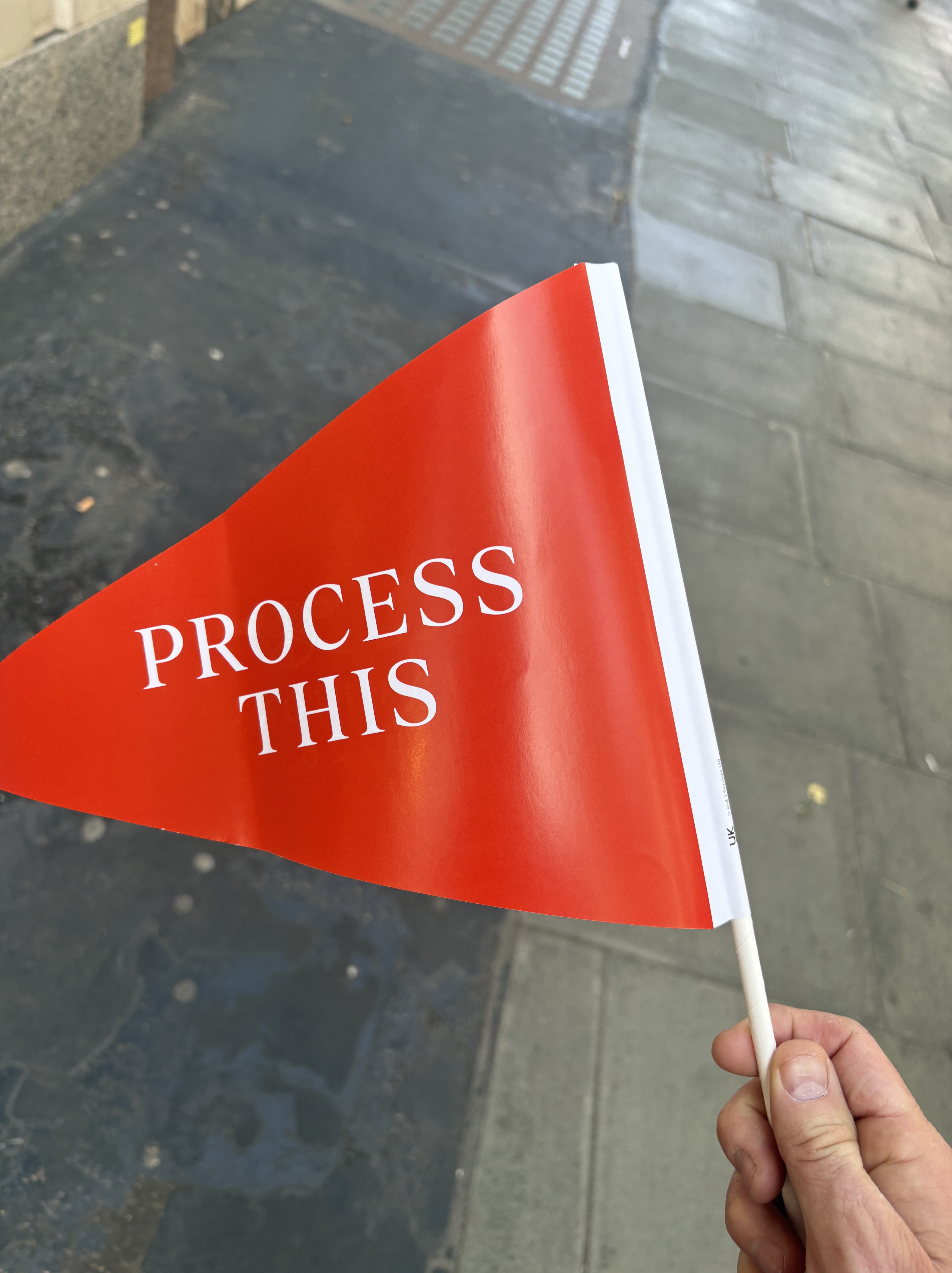
For the remainder of the week I slept terribly. I wasn’t hung over, more on some kind of high where the prospect of getting out of bed and being in the world felt irresistible and logical. Having taken George to his exam I made some more calls to talk about the night before, or really just to say over and over that it had happened and how wonderful it was. At times like this I can be a complete cliche: a weight was lifted off my shoulders, I was walking on air, all was right in the world: just pure escapism. I went down to the ground again where Champions t-shirts were inevitably on sale. The queue was enormous even early in the morning. I chatted to a young Mum who was buying a load of shirts. She told me about her long away trips in the past. Another man expressed relief we’d done it, saying he thought we’d have blown it at Palace. I don’t think I agree. None of that mattered now. What was coming through was a trickle and then an avalanche of photos and videos, most fan-made, showing the joy from the previous night and contrasting it with the tougher times from the past 22 years. I went to the pond, I cried again. I cried a lot that day and have done since. In the evening Imogen and I sat in the garden and had a nice drink under the evening sky.

Sunday 24 May
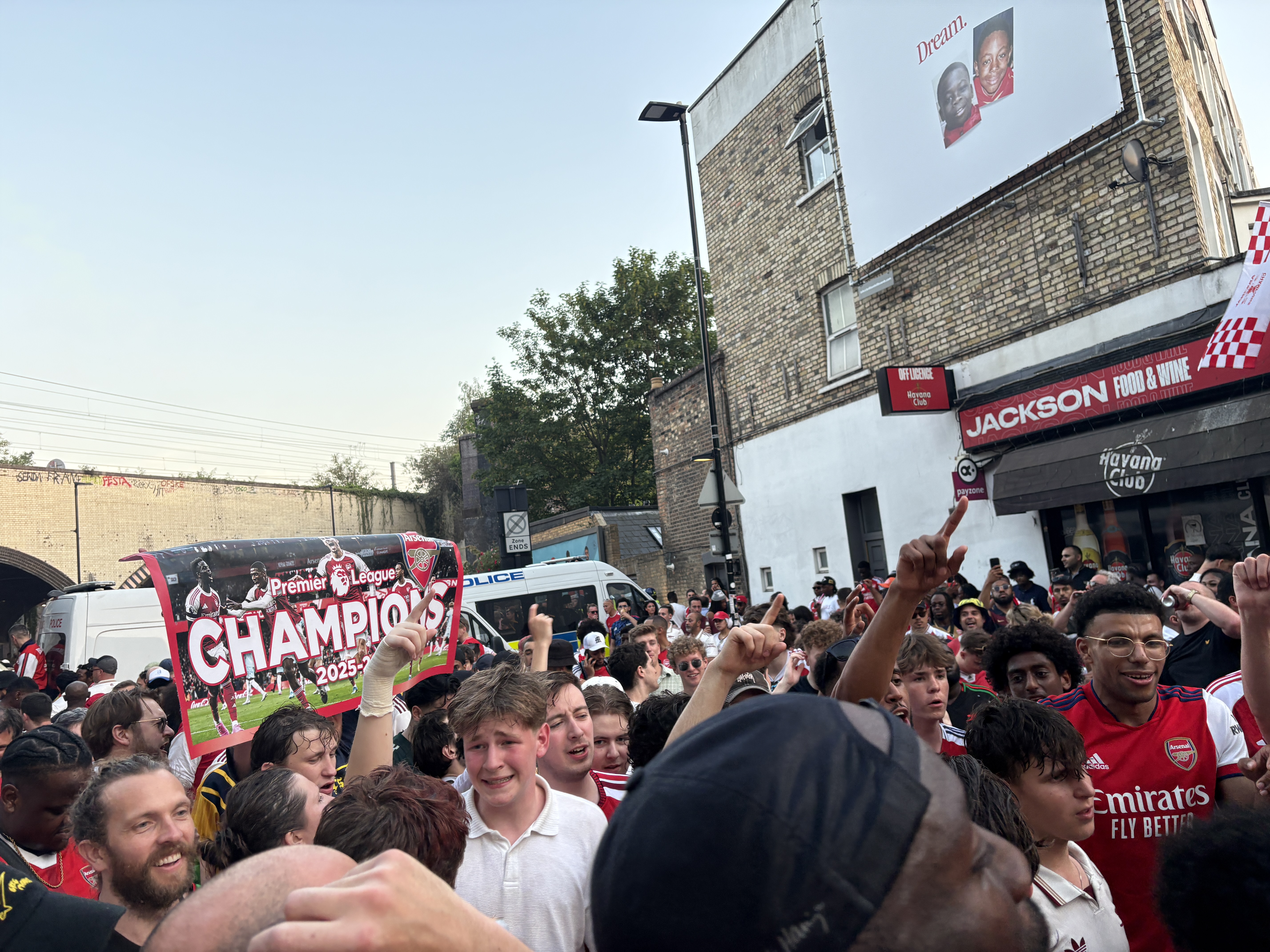
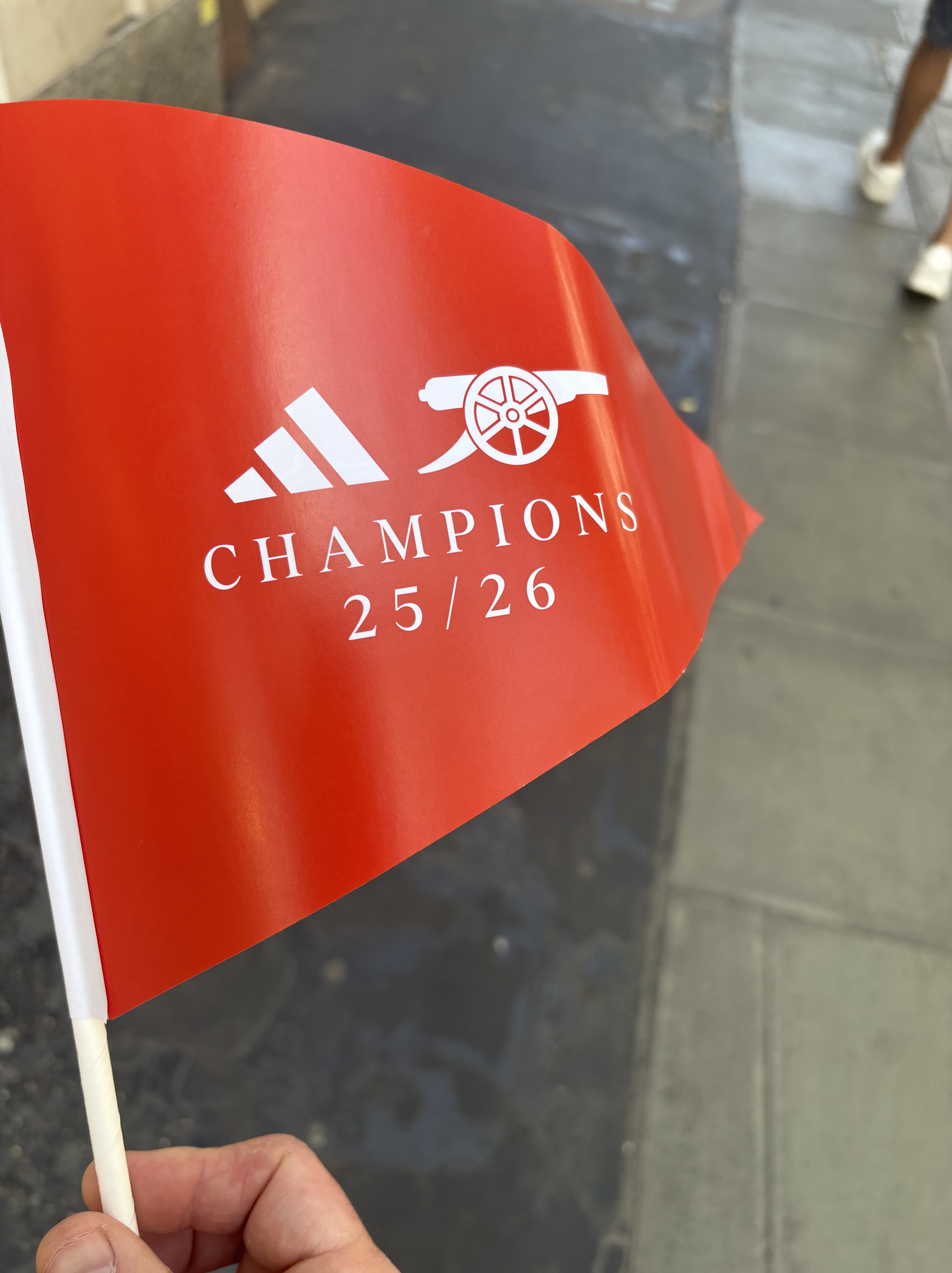
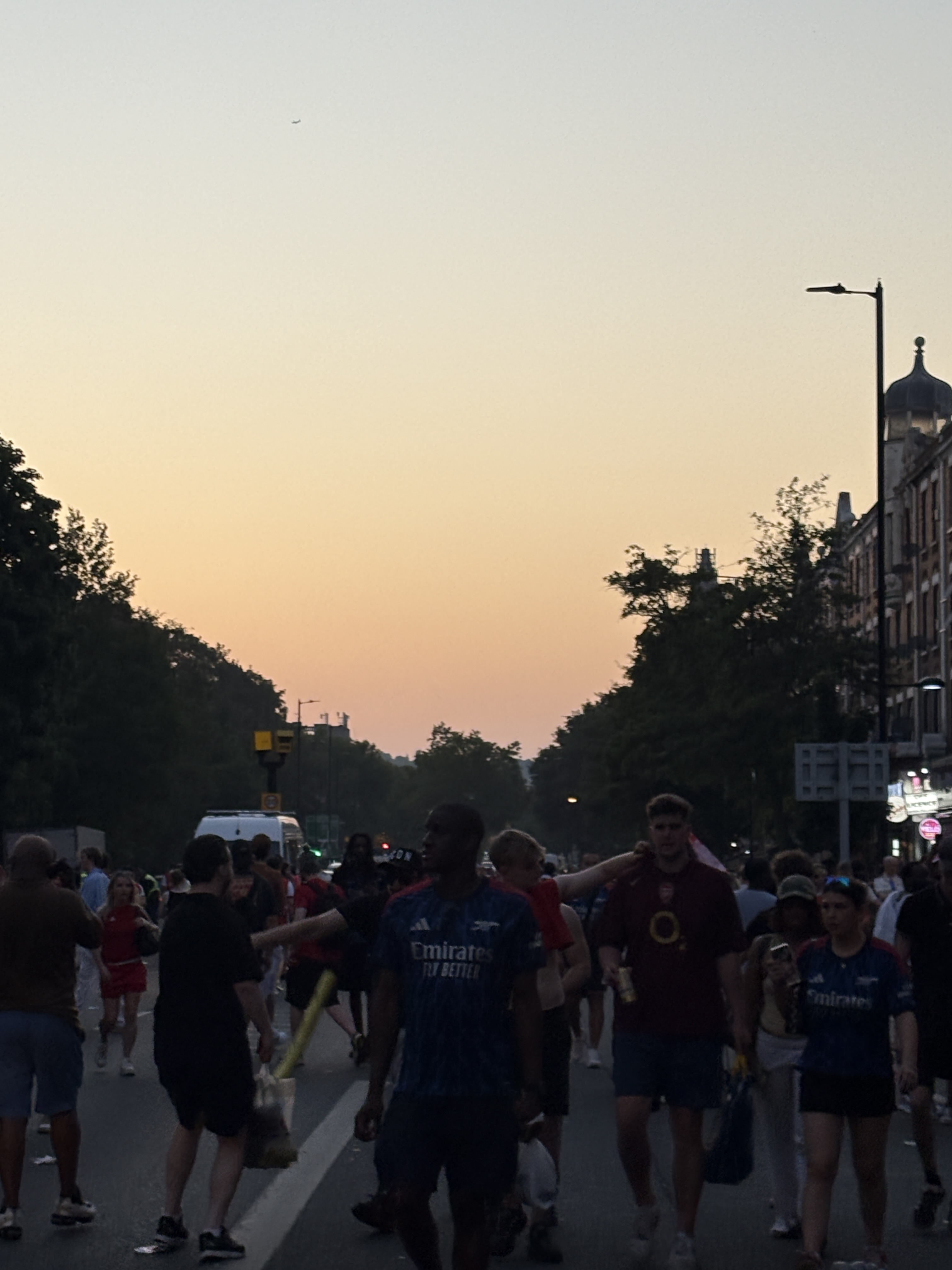
After a few days of more footage circulating on everyone’s phones, it was obvious Sunday was going to be a big day. The trophy presentation wouldn’t be until 7.00 at the earliest though, so a lot of time to pass before. I went into town on a couple of errands. Arsenal shirts everywhere. Euston, King’s Cross, completely mobbed. Tubes full of people singing. While some of these people were going to Crystal Palace and some were heading to pubs around the ground most people seemed to be out for a street party. We’d decided a while ago to watch the game at home and then go down to the stadium and Dad, breaking his general taboo of paying any attention to matches he is not attending, came round too. More toasts, then more tears and hugs, and then the boys and I headed down to the stadium. Or, more properly, a carnival walk down Holloway Road, a bounce around on Hornsey Road, and then home after an hour or so. It was intense, colourful, joyful, and exhausting. Clearly thousands of people stayed there for a long time and it looked fantastic and I am delighted for them. For me, we got it right. Astonishingly there was more to do this year, even now. The Champion’s League Final, and then win or lose that parade.
Midweek
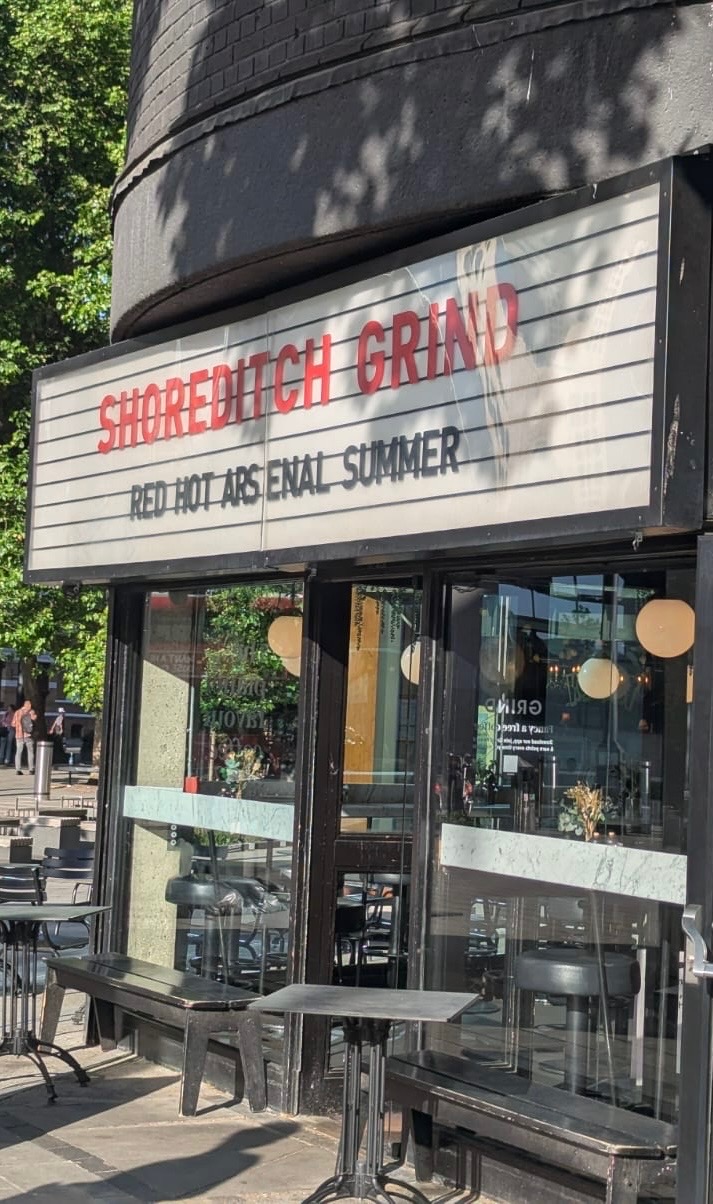
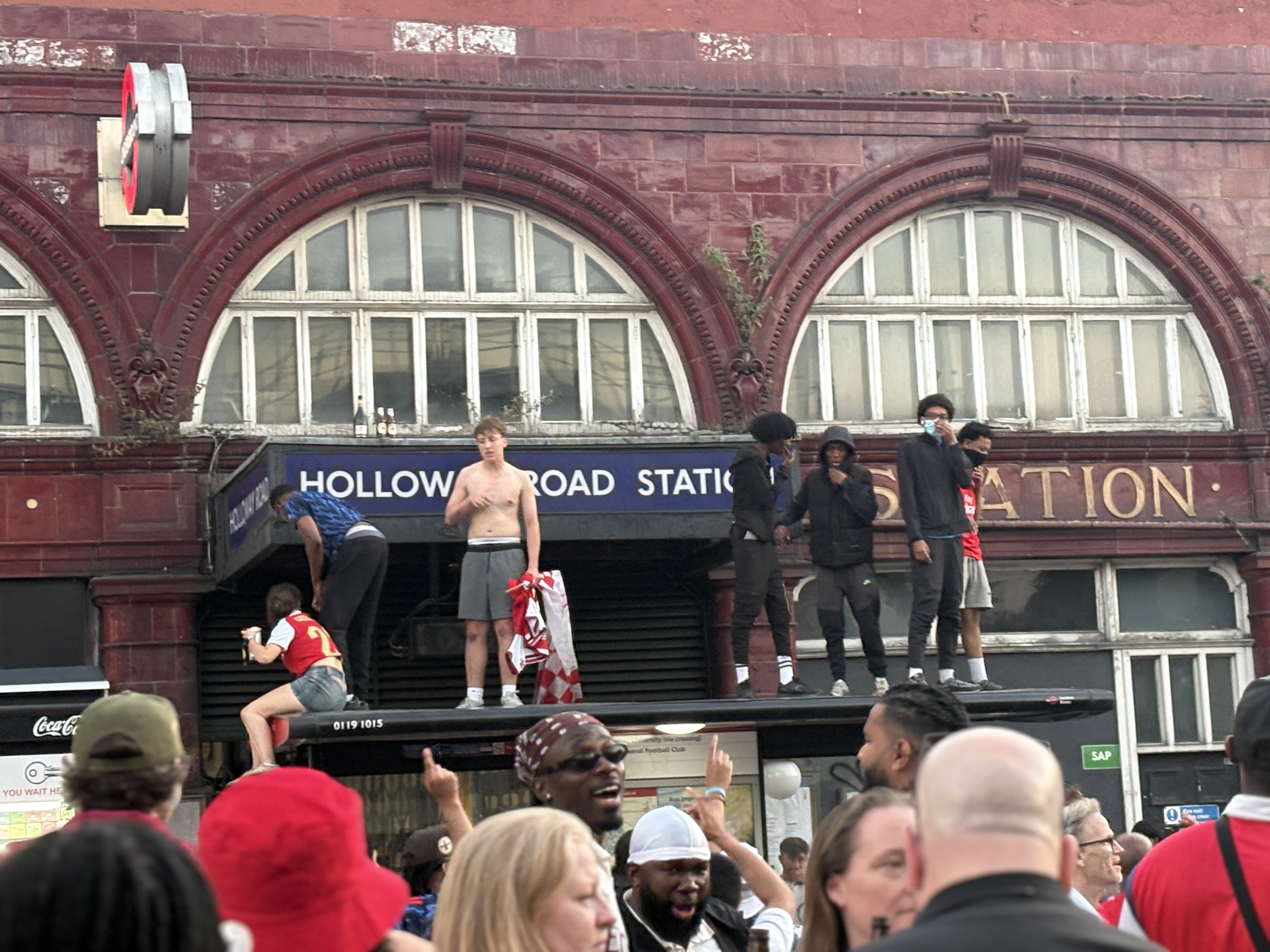
The following week was initially a happy blur. A hot and sunny Bank Holiday Monday of nothing but basking, then the kids half term which is always disrupted when it comes to work. So football again to the fore, an ocean of videos, photos and conversations with friends in the Arsenal family. The signs of Arsenalism everywhere. Everyone wanted to know about the parade and make plans for where they’ll be. The suggestion was that a million people will attend. Barriers appear along a vast route through Islington that makes it seem possible that is an underestimate.

Towards the end of it the Champions League and Budapest started to rear its head. People travelling began their journeys, then arrived. Previous issues came back to mind. I was happy with the decision not to travel but also a bit glum not to have been there.

Saturday 30 May
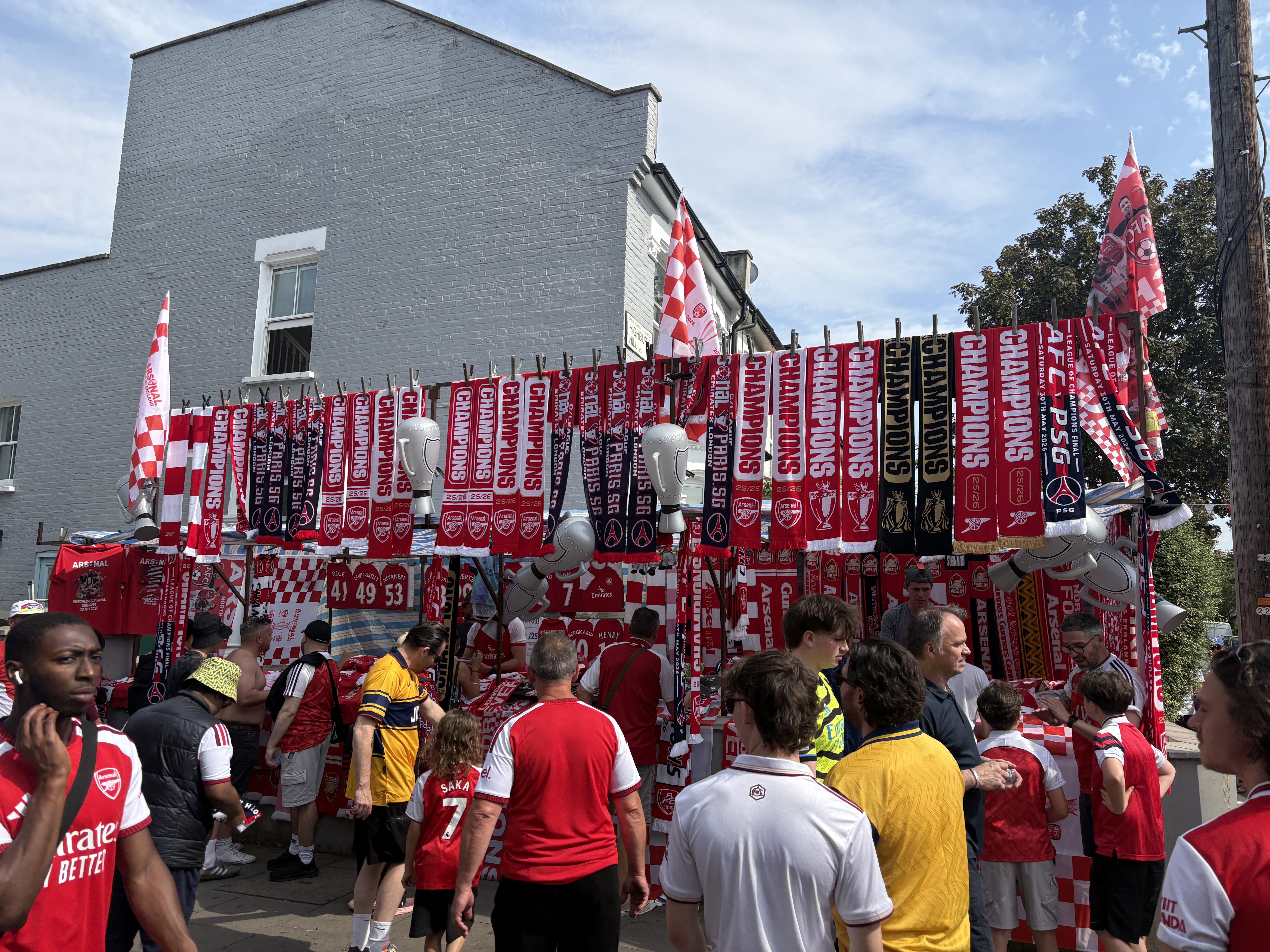
On the day of the game Dad and the boys and I headed down to the Emirates for the screening. It felt more intense than I was ready for on exiting the Arsenal tube, compounded by the poor arrangements for stadium access. In a bid to stop anyone gaining access to the concourse around the ground who doesn’t have a ticket – with more than one eye on the parade – entry points were very limited and quickly came under pressure. There was still 40,000 people with tickets. This was the one point it felt a bit too big and threatening to get out of control. 
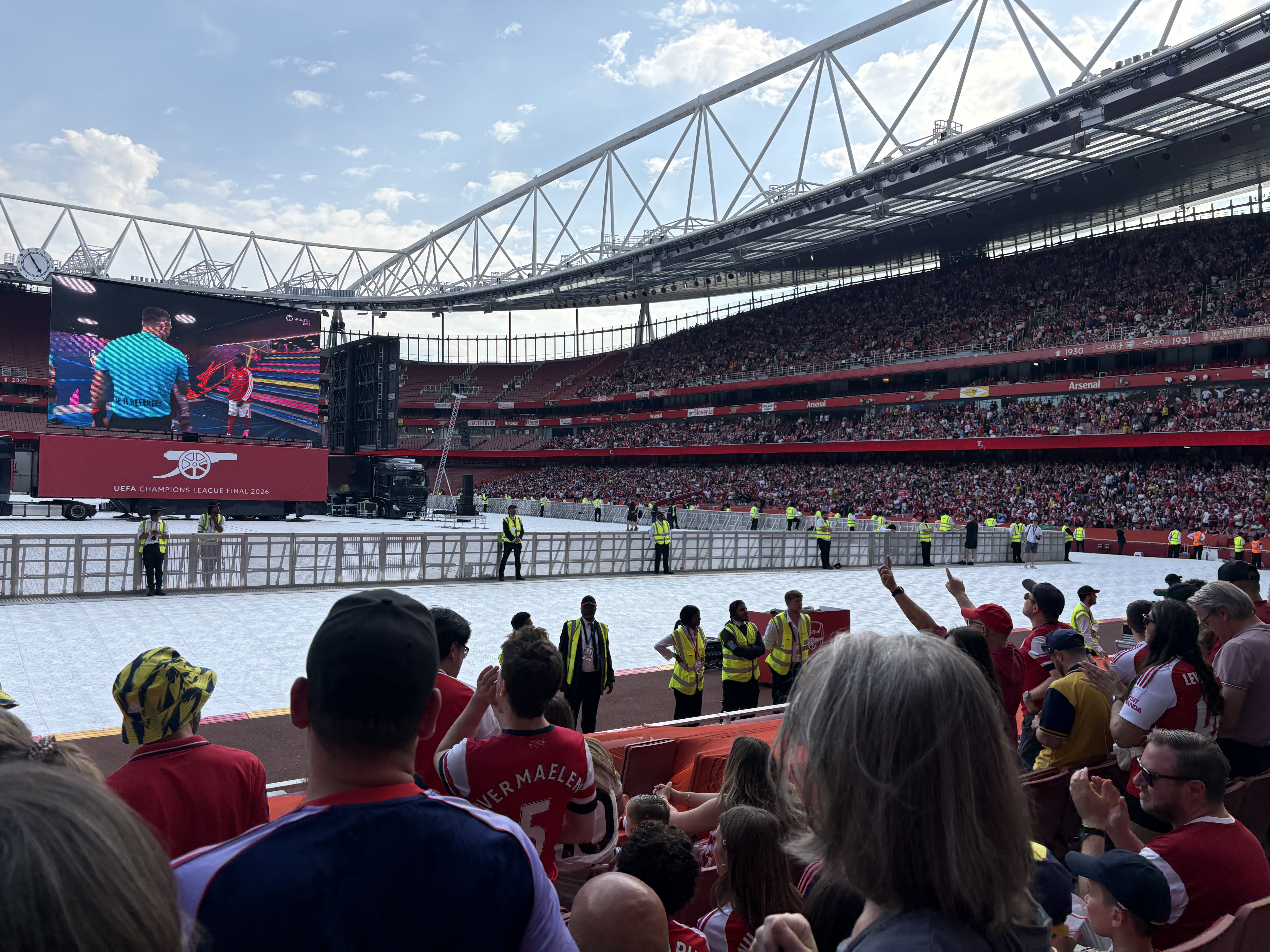
Once inside the atmosphere was manic. The sun was hotter than I’d expected, making for a sticky evening. The match swayed our way with Kai Havertz’s early goal greeted with complete delirium. It was very early. The team didn’t seem to quite mean to sit back but did so, and while that was fine against Burnley it was far more difficult to do so here. It was one of those European games where it felt like the referee gave the other side every decision and you start to think there’s something fishy going on. Maybe there was but the other side still played fabulous possession football, some of their passing was astonishing. The guy behind me made some very silly comments and was quite annoying. The people in front of us, older Arsenal fans, were silent throughout, messaging friends about what time they’d be back in the pub. Would it have been impossible for them to try to sing, or alternatively to have just stayed there? Apart from that it was a loud and tense evening. 

Writing now it seems unreal that we had good moments towards the end of extra time and had an equal chance when it came to penalties. Noise turned to silence when poor Gabriel sent his penalty over the bar like a rugby conversion and that was suddenly that. It felt jarringly instant, like when the music stops suddenly at a party, the lights come on and you’ve got to stop dancing. I couldn’t work out what the boys needed at that moment, I realised that they weren’t six and eight, and probably weren’t going to cry. Other peoples’ faces were rueful but also more upbeat than after previous losses. ‘Tomorrow we’ll wake up and still be champions’ I said to anyone who’d listen, shaking a few people’s hands. Another terribly organised exit from the ground. When we eventually got home I sat in the garden with Imogen and drank two pints of water and then the bottle of champagne we’d got just in case and thought more about tomorrow and the days before than the day that had just been. So no discourse here about the pain of penalty shoot-outs in the past and how this one relates to it. I was very not sorry I wasn’t in Budapest facing the exit from the ground and the journey home. I thought about friends who were there. Then I made plans for the parade the following day.

Sunday 31 May
This one: not mine. A still from @kaihavertz29 on Instagram

The bottle of happiness uncorked over this magical period was not going back in. So the parade was always going to be massive and joyful. It seemed like there was no other option. George and I left home three hours before and aimed for a spot on Seven Sisters Road, away from tubes, close to our route to the stadium. Getting there immediately hit a snag as the Northern Line was up the creek, so we detoured to Oakleigh Park, where a very full party train pulled in and took us towards Finsbury Park, somewhere not very suited to very full party trains and tens of thousands of people. So we got off at Harringay and walked for half an hour through relatively quiet streets, eventually getting somewhere else on Seven Sisters, where two hours before there were people waiting but it was possible to get a good spot. Peering down the road it looked like it was already very towards Holloway Road. Young and old people climbed on bus stops, balconies and rooftops nearby. A daytime rave kicked off on the opposite side of the road. Footballs were thrown back and forth. We played lots of rounds of guess the former Arsenal player which peaked at Gervinho. Lots more singing, especially the Eze and Gabriel songs. 
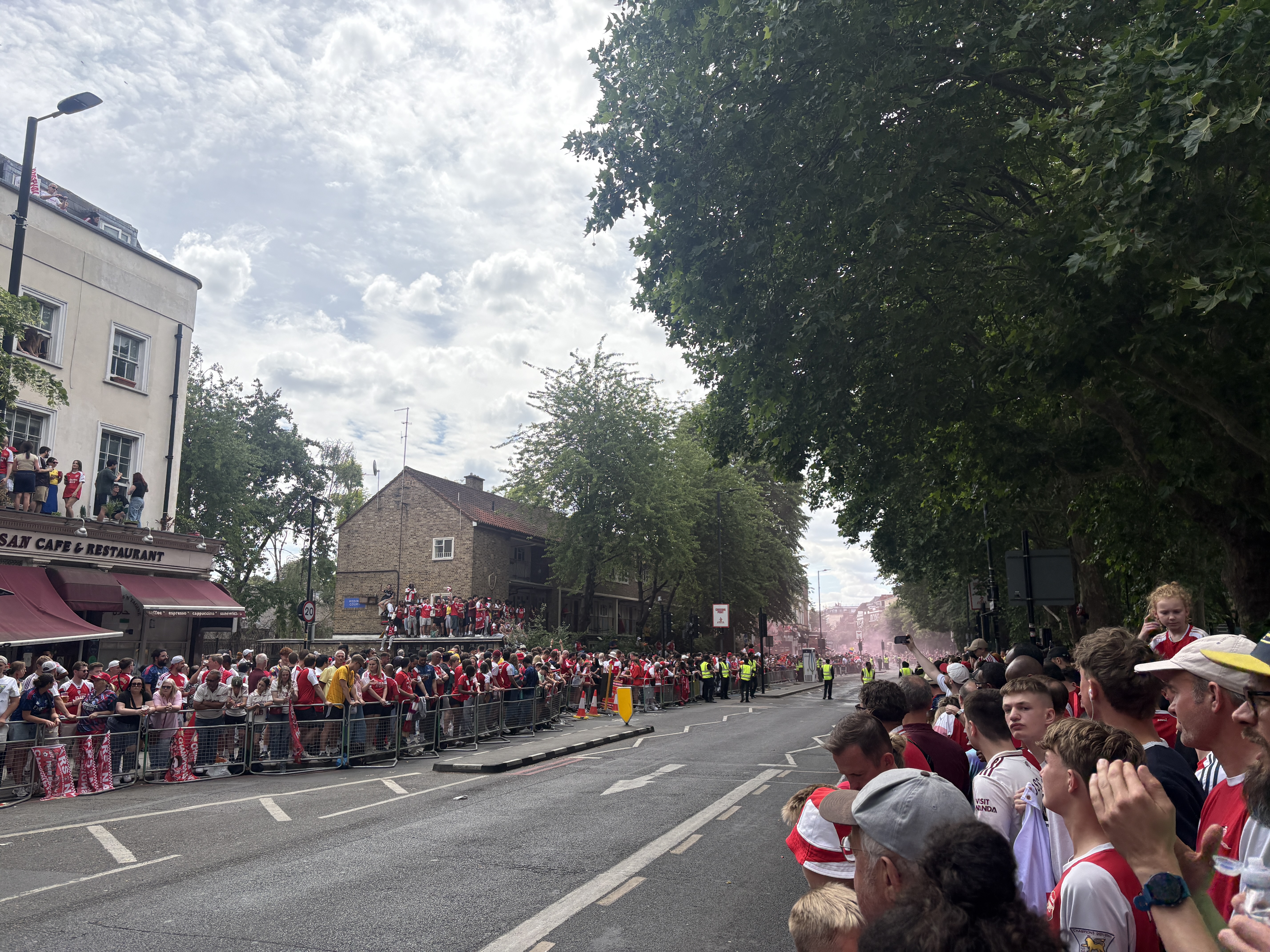
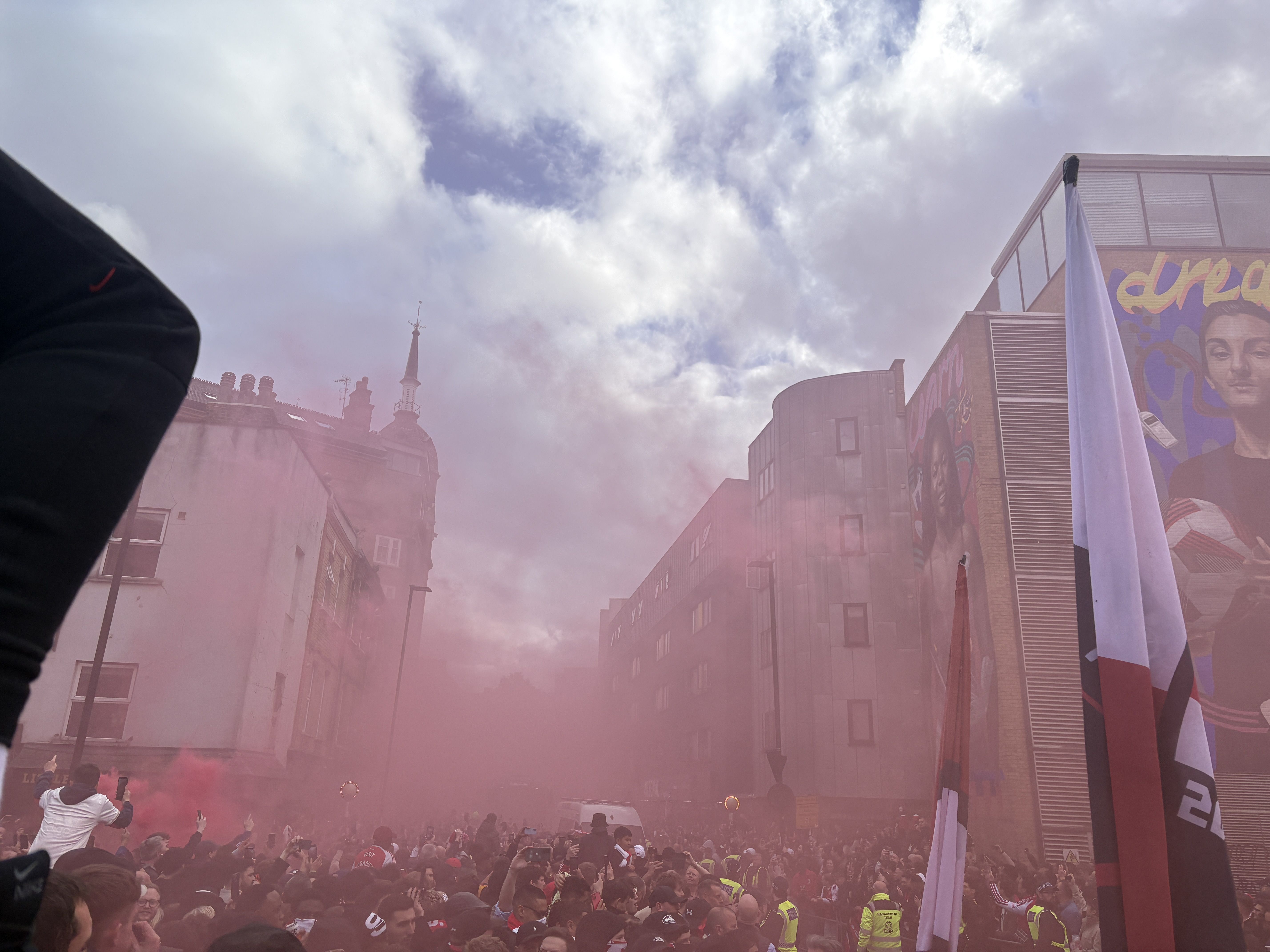
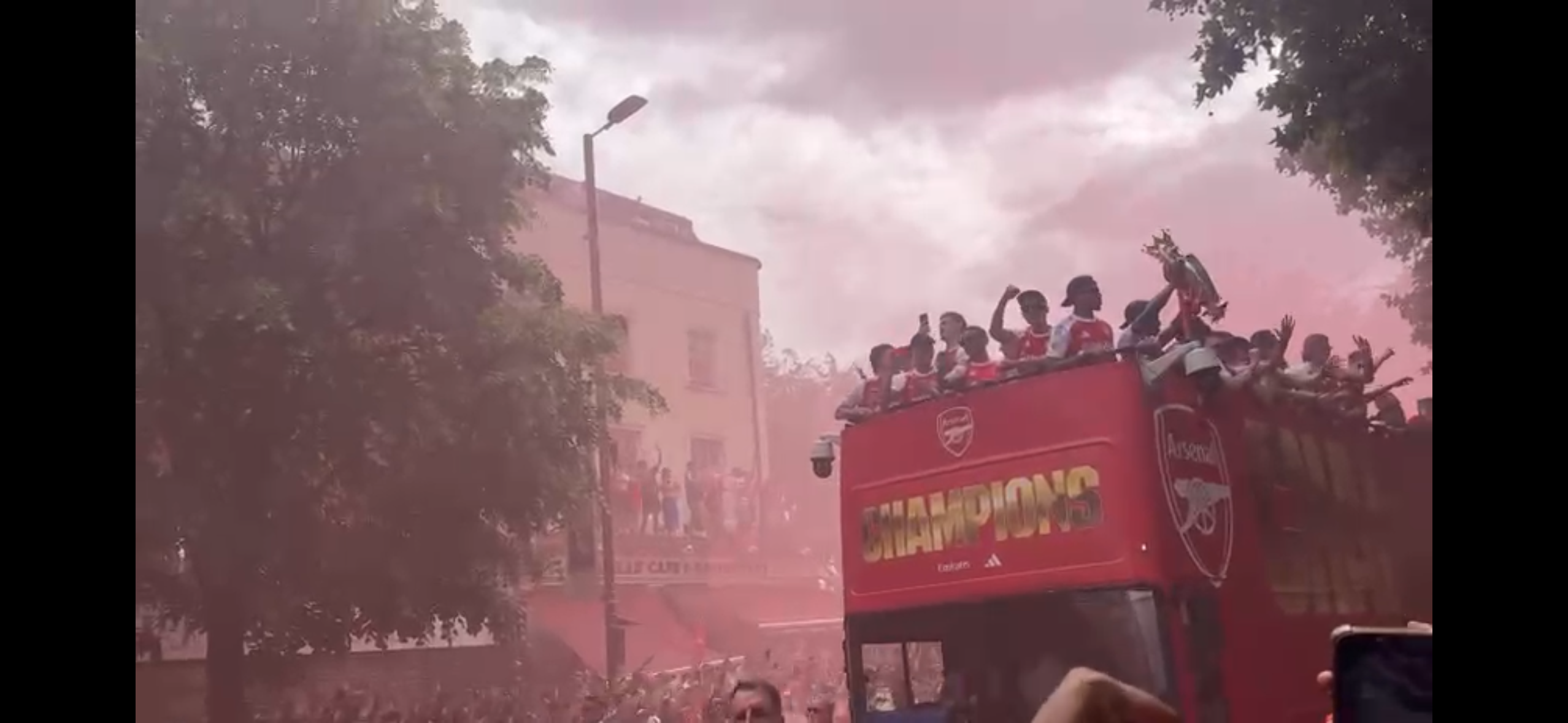
All the while the red smoke billowed out and the excitement grew. Then stewards walked in front of us and the buses arrived, noise ratcheted up further and I could see the outline of familiar players and the trophy. Rice, Timber, Saliba and Gabriel at the front. Saka holding the cup aloft, Calafiori hanging out the side looking immaculate, Gyokeres posing at the back. The women’s bus greeted equally deliriously, even the staff and other peoples bus getting huge cheers. And then gone up the road on the Tour de Islington. George did have to revise so we started to make our way home, eventually walking to Highgate tube. There were Arsenal shirts everywhere. To some extent photos and videos of the day do it justice, the crowd millions strong, on the streets and on rooftops, lampposts, everywhere and anywhere. 
I’m now sitting typing this on a rainy morning two days later. There’s the whole of summer to still go, but the past fortnight is inevitably the time that will sum it up. Hot, sunny and joyful. So much has been said about London showing its true face, a modern and multicultural celebration; dancing, music and happiness everywhere, a party everyone wanted to be a part of. That definitely happened. It also happened so immediately that it’s more present generally than everyone realised. But it also stayed around more intensely and for so long that it’s hard to think that we’re beyond the moment. It might be that the whole thing is just getting started. I hope so. But you also never know. This could never happen again. You’ve got to be a part of it. 

Being a part of May 2026 and being able to share it with everyone has been one of the joys of my life and I will always be grateful for it. 

The block

1990, another world. My father and I have decided, seemingly without a word being uttered to anyone else, that it’s all very well attending Arsenal home matches but that expansionism is on the agenda. The previous year we took the train to Derby for a memorable (to me at least) 3-1 victory at the Baseball Ground and an end of season 2-2 draw at Carrow Road, Norwich, enlivened by a seemingly endless sing-song to pass the time as we were held hostage by the local constabulary before being released into the heat of the East Anglian summer. I can only assume my own extreme enthusiasm was the reason for an increase in the number of away games.

Regardless of why we were going to these games we were presented with a small but not insurmountable problem. The problem was that I was small and not insurmountable, and in those days away games meant standing on terraces with lots of fully-grown men. To add to the challenge I wanted to stand as close to those making a loud noise as I could.

Dad devised a novel solution. Possibly inspired by the ‘big step’ at the back of the old Clock End terrace at Highbury he used to stand on, he hammered together some old bits of wood that were lying round waiting to be repurposed. This is interesting in itself, as I am now not much younger than he was at the time and have acquired no junk wood, lying round waiting to be repurposed. The wood was fashioned into a block, maybe 50cmx30x20, just large enough for two feet to stand on. As if by magic, I now enjoyed a bonus in the height department when competing for airspace on terraces across the land.

‘The block’ (as in ‘have you got the block?’ And ‘you can carry the bloody block back to the car’) made its debut at Plough Lane, Wimbledon in August 1990. Its magical properties conjured a 3-0 win, including a corking half-volley from Perry ‘El Pel’ Groves. In the midst of this triumph were signs that the block might also prove to be trouble. When a goal went in, the crowd erupted, with the shoving and surging that went with it, and I went tumbling off the block and into the melee. Fighting my way back up to where Dad was stood we both realised the block had gone on its own little adventure and was nowhere to be seen. I went off to look for it and emerged through the bodies after a short time brandishing it in triumph. This happened every time a goal went in that day and on each subsequent occasion.

Taking such an item into football grounds also posed an interesting scenario for the local police. At Nottingham Forest’s away turnstiles, the block was sternly examined by a copper, who was clearly wondering why he should let in something that could be used as an effective projectile to be hurled at opposing supporters. We must have seemed like the right sort of chaps as he let us pass through the turnstiles, though not without admonishing me to grow, so that I could at some future point leave the block behind and not make his job any harder.

Yet it was not just me who found a leg-up useful. At several grounds I fought small battles throughout the match with those next to me who placed one foot on the block, and were clearly considering mounting a hostile takeover of it for their own ends. Sharp elbows and well-timed shoves – usually at exciting moments in play – generally dispatched these ne’er do wells. Go get your own block!

At some point that season we stopped bringing the block. I had grown enough inches to render it necessary, and though it always made it home safe it did add some complications to the simple joy of going to a match. And Arsenal won the league that season, losing only one game in the process, away to Chelsea, when as far as I can recall we did not have the block with us. Make of that what you will.

Wrexham

Wrexham. The word means only one thing to those of us who were there.

F.A. Cup third round, 4 January 1992.

Wrexham 2 (Thomas 82, Watkin 84)
Arsenal 1 (Smith 43)
Racecourse Ground, Wrexham
Attendance: 13,343

Unpacking memories of attending this game 25 years makes me feel not only old, but like I grew up in another age altogether. In January 1992 Arsenal were League Champions, having cantered to the title in 1990-91. Liverpool may have imploded after Kenny Dalglish’s resignation but we won it in some style, losing only one game in the process. Like the 1991-92 champions (Leeds United. Leeds United!) that season has been lost to the post-Premier League revisionist zeal that for some reason the media are happy to buy into. Bastard media. George Knows.

Wrexham had finished 1990-91 last in the entire Football League. They were spared relegation only by the expansion of the league that season.

And they won. To say this result delighted everyone that wasn’t an Arsenal supporter is something of an understatement. It was, and remains, the perfect FA Cup story. And it has Arsenal losing which always helps the media pick one out of many. They all hate us.

The aftermath begun immediately. Danny Baker, hosting radio phone-in 6-0-6, started his show celebrating the result, along what had been an awkward (as in ‘well, this is awkward’) draw for West Ham at non-league Farnborough Town, as proof that Zigger-Zagger – no, he really said this, more than once – the God of Football is real, and was meting out retribution to clubs who were punishing their own fans with unpopular bond schemes intended to finance the rebuilding of their grounds. The valediction was justified – the bond schemes were hugely unpopular – but he didn’t half go on about it. Or perhaps he didn’t and it just seems that way now, since the drive home which Dad & I knew would lead to at some point having mockery heaped on us by someone just drifted on forever. Memories of a Luton Town-supporting local neighbour leaving celebratory posters outside our house after their victory in the 1988 Littlewoods Cup Final led us to expect that kind of thing. Bastard Luton.

Beyond the scoreline, the journey. From London to Wrexham, north Wales, via a strange route I have been unable to trace exactly since, that seemed to pass through Monmouth. Going via that town makes so little coherent sense that we probably really did go that way. On the way there, of course, this was a jolly outing to a brave minnow who would roll over for the mighty Arsenal. We ate a burger outside the dilapidated stadium that tasted so bad I can still see, smell and taste it. It had ‘cheese’ on it. Our standing ticket admitted us to a paddock terrace in the away end that continued to step down significantly below pitch level. It had presumably been like that quite uncorrected for decades. The floodlights barely penetrated the murk, which in one way is just as well. This is why photos and footage of the game make it look like it’s being played in a dimly-lit stable. All very apt given we were at the Racecourse Ground. Despite this, we had a perfect view of all three goals. Our one was quite a tidy move. Never gets shown on TV.

On leaving the ground we found our way back to the car, parked in the field we had left it in. The field had not liked being used as a car park. Between us leaving and returning it suffered an inglorious breakdown and was now just mud. The wheels spun hopefully but inconclusively and I got out to push. As I shoved, the wheels spun further and coated me in rich Clwyd ooze. This might have been the highlight of the day: the car was released, and we had something to laugh about on the way home. That something was me. The journey back after a stinker of a game is usually more fun than you might think, with gallows humour and a siege mentality saving the day. It’s when you get home, to the shame of all football supporters who have been away from loved ones all day, that the funk really sets in.

I was 15 in January 1992 so was still at school, so must have been fairly mercilessly mocked for this result. If so, I do not recall that trauma in the way I do schoolboy ragging after, for example, losing 6-2 at home to Manchester United the previous season. Perhaps the absence of Wrexham fans in London, N2 meant there was less comment, but I doubt it. I have probably blacked out what cannot have been a pleasant occasion. Keeping the faith as I am helpless but to do the rest of the 1991-92 season, once we escaped a winless January was unforgettable for my Arsenal-mad teenage self. Sheffield Wednesday got beaten 7-1, Liverpool 4-0 and on the last day of the old North Bank Southampton were dispatched 5-1 with Ian Wright claiming the Golden Boot.

I still get a kick out of having been at games like Wrexham. I’ve supported a winning team all my life that have won leagues and cups and played in Europe. What do I know about supporting Wrexham? Plucky Wrexham as they’ll be known forever. Bastard Wrexham. And if you look closely as Mickey Thomas (the Welsh one, not our one) smacks in that free kick as Match of the Day show it for the 2000th time just before Ryan Giggs gets his disgusting hairy chest out in a montage of ‘best-ever’ FA Cup moments, you can see me, trying to digest that burger as the footballing equivalent of a bucket of excrement is tipped over the away end.

An early summer visit to Craven Cottage

Craven Cottage
In one corner stands the cottage, unique
A reminder of an earlier age
An age before the violence
Before the air was full of vile oaths

Opposite, sits the brash new stand
Overlooking the Thames
Smug, expensive, empty
There’s an electronic scoreboard to gaze at when the play gets dull, which isn’t often
Fulham play an attractive brand of football
£4.50 to get in* and the beer is great

Three English Football Grounds by I, Ludicrous

I, Ludicrous may have written these words in 1987 but I’m sure Craven Cottage would get a glowing write-up again today should the boys decide to pay another visit**

In one corner does indeed stand the Cottage (rear view)

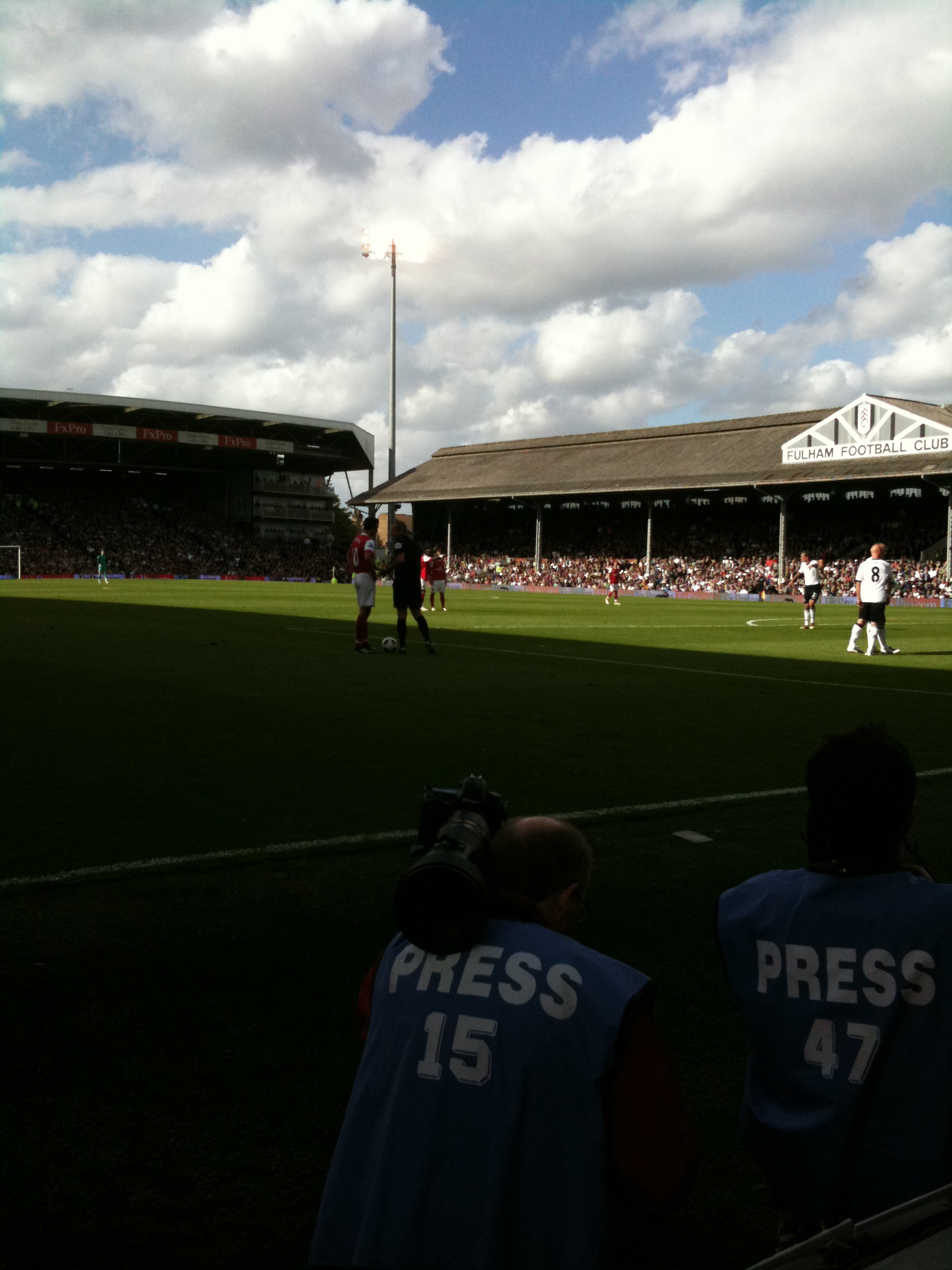
As football in London goes it doesn’t get much better than an early or late season trip to Craven Cottage, the home of Fulham. There’s lots to enjoy about coming here: the lovely walk through Bishop’s Park, with the green, narrowing Thames to your left; London’s oldest football stand fronting the Stevenage Road entrance to the ground; the prospect of a waterside beer at half time and the old-fashioned layout which generally ensures a large and vocal away following.

One English football ground (Stevenage Road Stand to right of picture)

The most recent addition to the attractions of the area is surely the oddest sight at any English league venue. The statue of Michael Jackon, erected by Fulham’s owner Mohammed Fayed, is a long way from the usual bronze effigy of ex-legend found at Old Trafford (Best, Charlton, Law), Elland Road (Bremner) and the Britannia Stadium (Matthews). For starters it’s in colour, and secondly, Michael Jackson may have attended a few Fulham matches but he was hardly known for his extensive Panini sticker collections. No matter, says Fayed, who walks on water in these parts after bankrolling the club into the Premier League and returning Fulham to the Cottage after converting the ground to all-seater for the start of the 2004-5 season. It gives travelling fans a giggle, which is no bad thing as they’re much less likely to come away with a result than they used to be. Fulham are no mugs at home and are an established Premier League club. Not bad when you consider that Fulham were second bottom of the entire Football League in January 1996, and lost away to Torquay United, the one team below them. Cha mon indeed.

For various reasons I failed to get a photo of the statue – there are plenty here – but some waggish Arsenal fans’ song, produced below, raised a smirk:

Your statue is shit
Your statue is shit
It should have been Jedward
Your statue is shit

A large and vocal away following, today

The other famous feature of the ground is the Cottage itself. This unique pavilion is as old as the Stevenage Road Stand and dates from 1905. Legendary stadium designer Archibald Leitch put it up after forgetting to build changing rooms into his plans for the ground. I’ve never been inside but I hope they bring you cucumber sandwiches and tea at half-time.

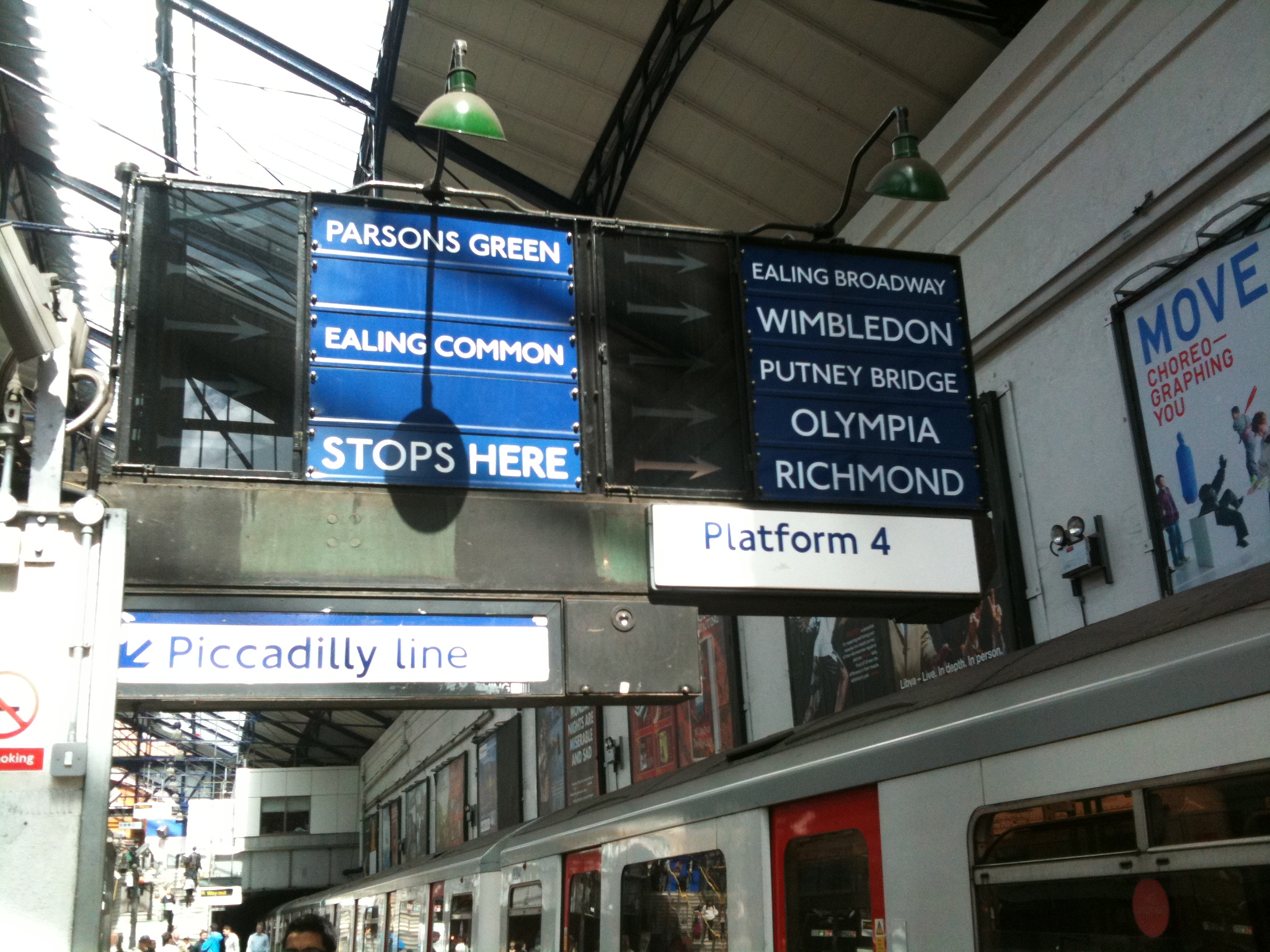
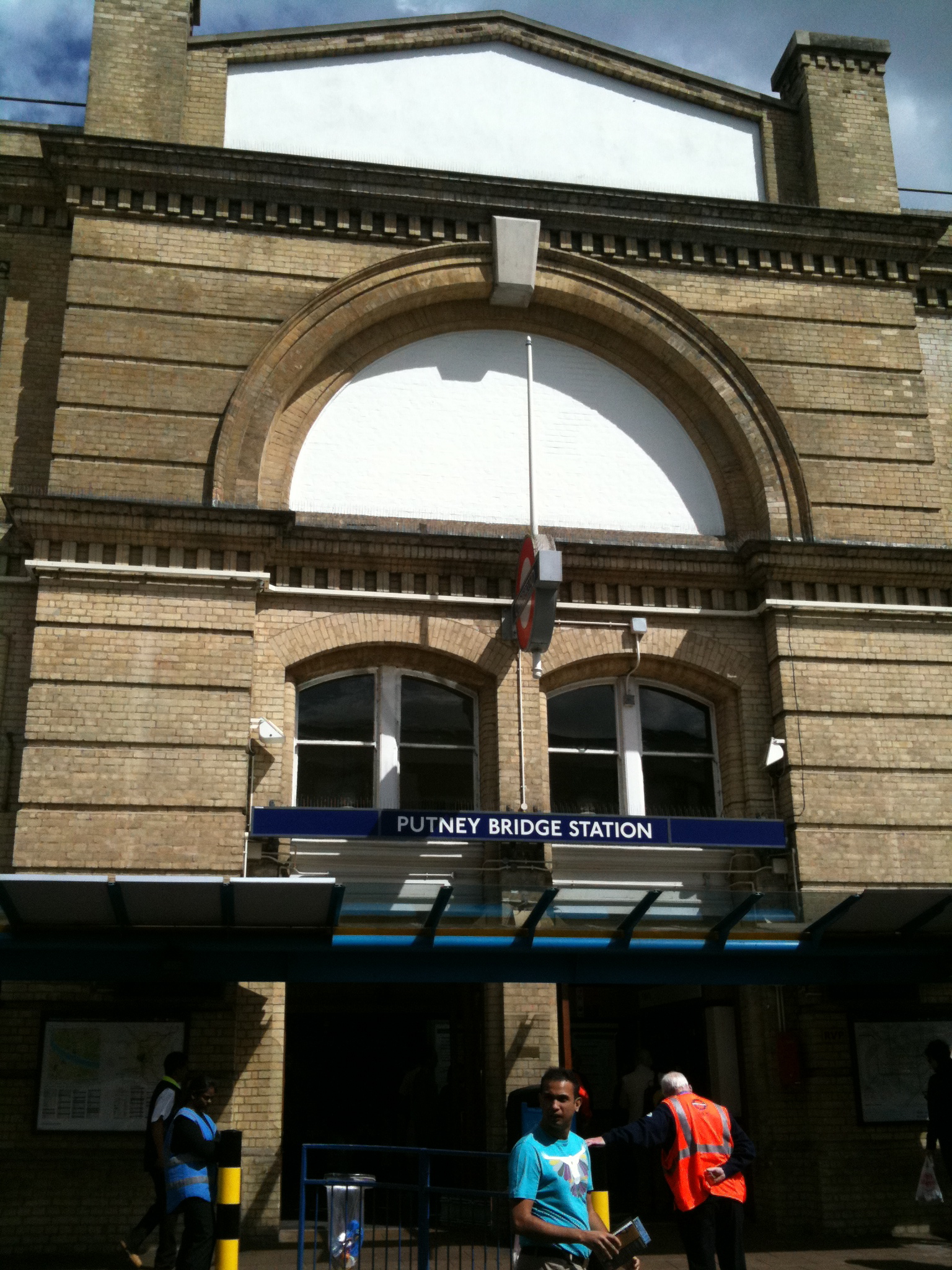
Earl's Court platform indicator...

...and Putney Bridge station's elegant facade are two things to keep an eye out for on the way

*It costs rather more than £4.50 to get in to Craven Cottage these days. The beer is cold, which remains shamefully the best you can hope for inside any football ground in Britain.

**In fact, of the three grounds reviewed in the song, Craven Cottage is the only one still standing. Burnden Park and The Den, the homes of Bolton Wanderers and Millwall, have both been replaced by modern all-seater stadiums. Fulham FC kept their terracing later than any Premier League club to date, with standing in the Stevenage Road paddocks and at both ends until the end of the 2001-2 season. I paid the ground a visit in 2001 for the first time since 1994 when Arsenal visited, coming away with a 3-1 win that was closer than the score makes it sound. As with other visits to grounds with terracing it weren’t like the old days.

Secret London: Happy Birthday, Herbert Chapman

Big Herb

On 19 January 1878 Herbert Chapman was born. 132 years later, he still has a convincing claim to be the greatest of all football managers. Best known for turning Arsenal from a middling First Division side into the great powerhouse of the pre-war game, he just as remarkably delivered an FA Cup and two league championships to Huddersfield Town, as well as establishing the momentum for their third. Chapman was a great innovator, modernising football formations and presenting compelling cases for numbered shirts, artificial pitches European club competition and floodlit matches.

Herbert Chapman's grave in St Mary's, Hendon

Chapman died on January 6 1934, mid-way through Arsenal’s hat-trick of titles, as a giant of the game. He is buried in St Mary’s Parish churchyard in Hendon, north-west London with his wife, Annie Bennett Chapman. Annie lived to see Arsenal win four more titles, passing away in 1958.

I paid a visit here with my youngest son, still too young to argue with such a silly outing, on Sunday. The churchyard is quiet, with a rural feeling harking back to Hendon’s pre-suburbia village life. It’s a pleasant, peaceful place to visit, though the wind gets up a bit on a Saturday afternoon if Arsenal are losing. And if you’re not in the area, there’s the Herbert Chapman pub on Holloway Road, bustling on matchdays, and the old East Stand at Highbury which his achievements made possible. Happy Birthday, Mr Chapman.

A blast (of cold air) from the past: classic winter football

Chaos as referee loses contact lens, Highbury, January 1926

The unusually long, cold snap we’re enjoying has put paid to football fan’s fun all over Britain. But it wasn’t always this way. The picture above harks back to a different age, from the referee’s jacket and collar to the spirit of getting on with the game and to hell with the cold. I thought it might be of interest to find out a little more about the game captured here.

It turns out it was a cracker. The game was played between Arsenal (in red in the picture above) and Manchester United (in the funky red chevron shirt on the left, which inspires this year’s effort)  on January 16, 1926 before a palindromic crowd of 25, 252. Arsenal won 3-2 (have that, Mancs) with goals by Jimmy Brain (2) and legendary centre-forward Charlie Buchan. Buchan was in the first of three seasons at Highbury, having been signed that August by Herbert Chapman from Sunderland. His 21 goals that season, scored at the age of 34, propelled Arsenal to second place, then their best-ever finish.

Also playing that day was Jock Rutherford, who had just re-signed for Arsenal for the third time aged 41. He went on until March 1926 and, via a spell at Clapton Orient, ended up opening a newsagent’s in Neasden. He is still the club’s oldest-ever player. As for United, they finished the season in ninth place. Huddersfield Town, Chapman’s former charges, won the league for the third successive season.

The Times report from January 18, 1926 notes:

‘The ground presented a remarkable sight when play begun, for the only snow had been cleared had been on either side of the touch and goal lines and in front of the two goals. Around this enormous sheet of pure white was packed a dense crowd of spectators’

The quality of play, however, was debatable, the Times notes:

…the ground was slow of course and the ball hardly bounced all afternoon’

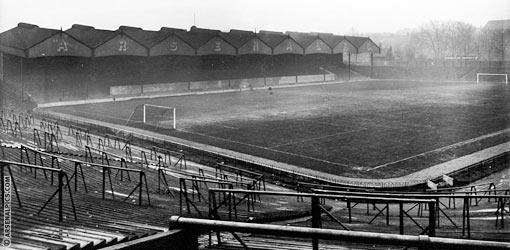
It must have made for chilly viewing for those standing on the terraces. Highbury then was largely as it had been on opening in 1913. As the picture below shows, the ground had opening terracing on the north, west and south sides. Only the east side had seats, this in a classic Archibald Leitch stand with a gabled roof carrying the letters of ‘Arsenal’.

Highbury in the 1920s, looking towards the East Stand from the North Bank

The classic East and West Stands, designed by Claude Waterlow Ferier and William Binnie, the roof on the North Bank and the famous clock – now on the outside of the new Arsenal Stadium – came with the club’s success in the 1930s. Don’t feel too sorry for the fans in the ground, though, they could drink beer while watching and paid just a few pence to get in.

Arsenal’s team that day would have lined up in a 2-3-5 formation favoured at the time. The team was Harper (GK), Mackie, John, Baker, Butler, Blyth, Rutherford, Buchan, Brain, Neil, Haden. If any United fans have information about the chap in the picture, their scorers or team that day then drop me an email.

Thanks to Ian Kirk at Arsenal Football Club for his help with some of the details of this article.

– Tom Hall