From Robert Macfarlane’s The Old Ways

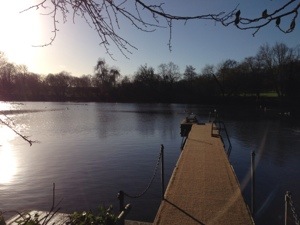
This quote is pinned to the noticeboard in Highgate Men’s Pond and I wanted to copy it here.

As I envisage it, landscape projects into us not like a jetty or peninsula, finite and bounded in its volume and reach, but instead as a kind of sunlight, flickering unmappable in its plays yet often quickening and illuminating. We are adept, if occasionally embarrassed, at saying what we make of places – but we are far less good at saying what places make of us. For some time now it has seemed to me that the two questions we should ask of any strong landscape are these: firstly, what do I know when I am in this place that I can know nowhere else? And then, vainly, what does this place know of me that I cannot know of myself?

Notes for cyclists going to the Outer Hebrides

20130613-200737.jpg

The Outer Hebrides, or Western Isles of Scotland lend themselves well to a linear cycling trip. Ferries link the islands and the mainland and in between boats there is much to challenge both the sporting and touring rider. I fall somewhere between the two in that I tour on my own but wish I had a sporty bike and would therefore be able to ride faster. There are other things I could do to ride faster such as lose weight or train more but I don’t do either of them, for shame.

Here are some suggestions for the Hebrides-inclined two-wheely type.

1. Ferries are your friend

20130613-200857.jpg

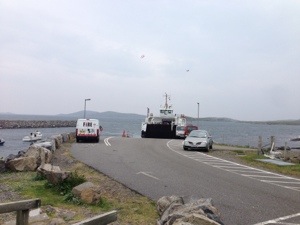
The islands are connected either by causeway or by a fine string of ferries. These Caledonian Macbrayne-operated bad boys can take you anywhere your own pedal-power can’t. Bikes are carried free and there’s no need for reservations. Room is always found for bikes. I don’t know what would happen if they had a bazillion bikes turn up all at once or something but I assume they’d work something out.

2. Assume the weather will be bad

The week before I arrived, and even as I was in the ferry from Oban to Barra the sun was shining and it was almost too hot. It didn’t last, and I had three pretty rough days weather-wise. No matter, apart from ever-so-slightly diluting the obvious beauty of the beaches of particularly Berneray and Harris a little rain is to be expected. But I would pack for it: leggings and overshoes should be standard issue. I didn’t have either and survived, but I have been envious of those who have had them.

3. Work the wind

Strong winds are a fact of life, and not just after a double-helping of Stornoway black pudding, the fantastic local speciality. I was told by nautically-minded father-in-law that prevailing winds were south-westerly (he then kindly informed me that this meant from the south-west rather than blowing in that direction which was also useful), and this held true for the first day of riding. On subsequent days the wind swung round to come from the north-west, then due west. It was strong every day, and every day I had some benefit from it.

4. Dilemmas

You will face some conundrums in planning, and in reality once out on the road. These are the ones I faced, and the decisions that I made.

Dilemma (i) – tarry on Barra

It takes a long time to get over to Barra from Oban – five hours – and it’s a lovely little island. If the weather’s good there’s sea-kayaking and superb beaches on Vatersay. My schedule didn’t allow for this but I wish it had.

Dilemma (ii) – one day through the Uists

The wind got behind me once I got over Eriskay and onto South Uist, and didn’t let up until I had to decide which way to go round North Uist. This made my decision for me but like the above call I heard great things from other people about so much, especially the northwest corner of North Uist and some of the beaches on South Uist. You might meet lots of naked bird watchers. Added bonus.

Dilemma (iii) – Harris east or west

20130613-201013.jpg

The ‘Golden Road’ around the east coast apparently appeals to sporting cyclists, while the west is for beach-seeking tarts. I went west. Those who went east raved about it. I was pretty happy with my choice too. Less happy about not having much time to explore Harris on foot. Another time.

Dilemma (iv) – tackling Lewis

To see the main sights of Lewis, approach it from Harris, and base yourself at Stornoway requires following a route in a figure of 6. This includes a jaunt north to Ness, the furthest point north-west on the British Isles. Given the point above about the wind at some point on the 34-mile out and back to Ness you’re going to be riding into the wind. For this reason I didn’t, and after looping round from Callanish to Carloway and the west coast headed inland for Stornoway. I met a cyclist heading the other direction who made me feel bad for not going to ‘the Butt’, but I put the thought out of my mind. I met him later and he’d ridden the wind one way and caught the bus back! Cheat! Wish I’d thought of that.

4. Pack for proper remoteness

I found places to eat dotted around, but not necessarily when and where I wanted to stop. There’s a super tearoom on Berneray (The Lobster Pot) which serves meals including evening dinner, and Callanish Visitors Centre has a proper Elektra coffee machine. I don’t often do recommendations but 9 Callanish is a smashing B&B and the breakfast I was served here was a match for me, and I’ve been eating for England on this trip.

5. And if all else fails…

Bus transport around all the islands is excellent. Even very small communities are connected by regular services. I met one group of very jolly chaps who were going from Barra to Stornoway in a day, then heading back to Ullapool that night. I assume they made it with ease, and this would be an excellent express way to see around here.

Delights of Dornoch Firth for families

What happens once you get to Inverness, gateway to the mysterious far north of Scotland? The options for travellers are straightforward. To the south lies the Cairngorms, the mountain resort of Aviemore and, if you like, a spot of skiing. West is the black water of Loch Ness and the high roads over to the great glens of the better-known side of Scotland. North? For many, a land unknown.

It was for me too, of sorts. Apart from a rapid rush to Orkney and back in 2001 I had never strayed to the far north, so when a search for a self-catering property large enough to fit two families threw up an old manse in Ardgay, Sutherland I agitated to take it on. That was before the longest, coldest winter for 30 years exposed the folly of Easter at northerly latitudes. It could have been worse – the forecast was for cold sunshine while the west coast, where we nearly went for, was shivering under late March blizzards.

The snow made for a dramatic scene on waking aboard the sleeper train, but we needn’t have worried. There was no snow on the ground and that on the hills was inviting but not intimidating. Edging north from Inverness in a hire car we opted to brave the Struie road, a fast, high route to Dornoch Firth. I had read there was a treat at the end of this route and the was: a view over the firth to legendary peaks beyond: Assynt being the standout, but others visible far away, snow-capped and magnificent.

Safely lodged in our chilly, lovely house for the week, we then had the matter of deciding how to spend the time. We’re an active bunch but confronted with unfamiliar names we had to follow our noses slightly. On the whole we did well. A wonderful, full week of activities pretty well perfect or families, with our longest day out being 30 miles away. Here’s a run-down.

1. Falls of Shin

20130416-224901.jpg

This marvellous waxwork of Mohamed Fayed, whose largesse in relation to unorthodox statuary has graced this site before, greets visitors to the Falls of Shin. Fayed owns the attraction and much of the land in this part of Scotland – however much anyone can be said to own any part of such a splendid, wild place.

That’s the end of the wax wonders, but the falls themselves offer several fine ways to pass the day. The playground a miniature golf (slightly eccentric rather than crazy) keep junior visitors occupied, and there are three walking trails, one of which takes in tunnels and unexpected opportunities to play quoits and noughts and crosses.

One of the walks passes the falls themselves, almost forgotten in their entirety by some of our party due to the excitement elsewhere. They’re a splendid sight, if not in the elite group of waterfalls in Britain. Their big selling point is the leaping salmon that can be spotted here in summer months. Too cold for salmon when we we there, but roaring water is always a delight.

2. Dornoch Beach and city, and Loch Fleet

Yowzers, what a place. We visited on a freezing, sparkling day with a handful of cars sharing the car park. No-one else materialised on this heavenly strip of sand, which became a bowling-green flat football pitch, interrupted only by a few weed-covered rocks. In a pool behind one of these my three-year-old son delighted himself by spotting a crab scuttling for cover. I’d like that moment framed for the mantelpiece of old age, please.

It looked like a nice place for a dip, too, maybe when just a degree or three warmer.

Dornoch itself is small place with a handful of cages and shops. It is dominated by castle and cathedral, both perfectly proportioned for place and, like everything on the day we were there looking great in the sunshine. The cathedral graveyard has a measuring stone for cutting cloth in it dating back to medieval times. The was a sense of timelessness here in this largely car-free place and, like Bamburgh in Northumberland this is a lovely and little-heralded detour.

We drove back around the shores of Loch Fleet, found by mistake on an extended and hilariously misguided quest by one of our party of locate a supermarket north of Tain and south of Wick. I was grateful for his itinerance – this was a scenic route to to be missed. It was also good for encouraging our young crab-spotter to get some sleep rather than spend the entire week charging around in very fresh air.

3. Portmahomack

Here’s a secret waiting to be told: the beautiful fishing village of Portmahomack, hush-hush detour from the road between Tain and Tarbet Ness. I’m not going to say any more.

4. Dunrobin Castle

The area’s show-stopper is a mighty castle located on the coast between Dornoch and Brora. If you arrive by car be sure to inspect the wonderful station, which frankly merits its own blog post on this site.

Once inside, enjoy attempting to prevent small children diving under red velvet ropes before, exasperated and astonished by the opulence indoors, flee into the fresh air for a brilliant Falconry display. The gardens work for hide and seek while you mull over the Duke of Sutherland’s Victorian gothic pile. A few of them liked a hunt, and the museum has all the cliches of trophy-bagging Edwardians: tiger rugs, elephant feet umbrella stands and lots of stags on the wall. More pleasing to modern eyes are the totally random collection of curios hidden in display cases under cloth covers.

The castle offers really very good falconry displays, with lots of near-miss fly pasts by whichever bird of prey is on duty that day. I don’t know where the birds’ keeper finds the food he woos these impressive beasts with, but I was a little surprised to see him pull a cats leg out of his bag at one stage.

If you have a couple of cars it may work to take the Far North Line one way to the castle and drive back. More train action. More fun. Watch out for the plastic stairs on the station’s low platform: when we were there they did not align with the doors of the train, making for the marvellous spectacle of small children attempting to board the Inverness-bound service via a doorless wall.

5. Carbisdale Castle forest walk

Carbisdale Castle dominates the Kyle of Sutherland. Now used as a youth hostel, it is closed for renovations but the curious can peer through the odd windows at astonishing ceilings and fireplaces . Around it are two different trails designed for mountain bikes but good for a short jaunt with children who should get round without too many moans. We missed the loop round to the castle and doubled-back on ourselves but no matter: a jolly nice stroll. Linger on View Rock for the classic shot of a train crossing the Kyle at Invershin in the shadow of the castle.

6. Ferrycroft Heritage Centre and Lairg

A nicely-arranged place with an outside playground and various kid-friendly activities inside. Lairg is a village at a junction at the head of Loch Shin and you can gawp at the hydroelectric dam from various spots. My kids refused to get out of the car in order to be educated.

A few general suggestions:

Packed lunches work, as much because there isn’t that much in the way of eating options as that small people get hungry at interesting times.

Supermarkets, a fancy organic gaff selling good haggis, fish and black pudding and a toy shop can all be found in Tain. There are two fish and chip shops too. The one we tried was adequate but not outstanding but I tend to find children unbothered by the crispness of the batter, flaky texture of the fish or anything else. They’re happy to have chips doused in ketchup and if that makes for a fun lunch in Tain rose garden then that’s a big box ticked.

We were there in good weather. In the wet options are a little more limited. Dunrobin would work well, as would taking the train to Inverness for the day. There’s a pool at Dornoch but we didn’t check it out. Unless it’s especially foul bring waterproofs and get out there (he says slightly dismissively after no wet days whatsoever). It is Scotland, so at least you know the risks upfront.

A winter’s swimming

I have spent Saturdays plunging into green, frigid water. Though not what some visitors to the Men’s Pond in Highgate would call a regular, I’m there often enough to get used to, and love, the cold. This winter has been extra long, and extra cold. Here are a few pictures.

20130327-075938.jpg

January 1. The waters of the Fleet that gather in these ponds offer renewal and hope for the year ahead. Note the presence of the sun in this picture: it has not been seen often.

20130327-210854.jpg

Not everyone wanted to bid farewell to winter. As February rolled into March signs of Spring were evident in slowly warming water. The lifeguard who wrote this sign got his wish: winter came back and temperatures cooled again.

20130327-210605.jpg

‘There aren’t any women here, are they?’ John Cleese need not normally worry, the Men’s Pond is usually true to its name. On this Saturday Ladies from the (where else) Ladies Pond were invited along. I envied their staying power in the water though to be honest some of them dilly-dallied about getting in.

20130327-210923.jpg

Anyone who’s been through the endless British winter of 2013 knows how snowy it has been. I should have known that at some point I’d have a snowy swim. This was the marvellous scene as I got changed, alone for once. Believe it or not the water was warmer than it ad been for some time.

20130327-210955.jpg

My sole concession to the cold water, neoprene gloves, kept my fingers warm but the snow numbed my feet as I walked along the jetty.

What a wonderful winter. The pond is civilisation, tranquility and wide-eyed wonder at nature.

Switzerland for families – my experiences, and subsequent advice

For reasons I haven’t quite fathomed out, people who loved travelling to new places and exploring independently retreat into a shell of all-inclusive resorts and old school Mediterranean destinations when they have kids. Maybe they discover a new-found taste for seaside spots they would have avoided like the plague before, or maybe they just play it safe and have slightly less fun on holiday than they used to.

Choosing Switzerland for our family holiday last year (2012) raised a few eyebrows among some of these people. Its appeal in winter was obvious. Black runs in Wengen, fondue parties, bottom-smacking games with the chalet hosts and all that. But go in summer? With kids? It was like unfurling a map with ‘here be dragons’ on it. And wouldn’t it be horribly expensive?

We had arrived at the decision to go to Switzerland, though, through a process of elimination. It was June, and we didn’t want a long flight, so it should be Europe. Small boys like trains and their parents like swimming, which made us think first of Iceland, then Norway, then settle on the high Alps. We were aided by the discovery of this campsite, which convinced us we could sleep cheaply, in an idyllic location, and get around using public transport. After committing this far, as we planned so the delightful possibilities of the Berner Oberland revealed themselves.

The next bit is in some ways the most complicated. A Swiss travel pass is an essential part of any visitor’s arsenal, conferring as it does not just a varying range of discounts on what non-Swiss would term public transport but also cutting the price of most cable-cars, funiculars and other unusual ways of getting up a mountainside. Not only that, but passes cut the cost of entry into many visitor attractions. In short, if you have one flash it everywhere. There are quite an array of passes out there. The Swiss Pass is the simplest and most flexible and also the most expensive. The Half Fare Card is cheaper and almost as useful if you’re not planning to ride trains every day but still want to do some roaming around. Note that while the Swiss Pass gets you most places it only offers a 25% discount beyond Kleine Schiedigg on the Jungfraujoch – the best way to get up there is to go either early or late in the day, or pick up the Jungfrau Pass. You need to get these passes before you go, so be organised. Full details at Swiss Travel System.

Once in Switzerland, camping gives you a great excuse to economise. With views of the Jungfrau from just outside our tent we were more than happy to barbecue a few sausages or have simple meals as a family. Interlaken has three big supermarkets where you can stock up. Some things cost more than in the UK – meat was one of them – but basics were about the same and beer and ice cream, rather marvellously, were cheaper if you got them in a shop rather than a bar. Packed lunched helped too, and small boys with picky tastes were fuelled on several mountain yomps by endless cream cheese and cucumber wraps. They didn’t go a bundle on local cheese, but parents did, and a picnic next to a fast flowing stream, sitting in a flower-covered Alpine meadow seemed to make everyone happy.

Other wonders were waiting. At the top of the Allmendhubel cable car, reached from Murren, was an idyllic kids playground. Another one was to be found at Bort, uphill from Grindelwald, bigger and better and – for the brave – with a Trottibike, a grown-up scooter you could ride with a child in front of you, to whizz down again on. We weren’t allowed to go on these with kids on the Niederhorn, by the way, but officials were happy for us to do so, with helmets provided, at Bort.

I’m almost loathe to mention how deeply lovely the public swimming pool in Wengen is unless anyone else goes there. On an early summer morning we had it to ourselves. It has a perfect kids paddling pool, lawns to laze on and a high board to jump off, all to a backdrop of simply astonishing Alpine views. There was great swimming also to be found at riverside pools in Zurich and Thun and at Habkern near Interlaken and in Interlaken itself. In fact, just going from pool to pool could be a great holiday in itself. And that’s without even mentioning Lake Thun, clear and cool and always changing.

Lastly, a few other points in Switzerland’s favour: it caters for kids, doesn’t charge the earth for them and has a very high standard of pretty much everything. If your children are under 16 they’ll travel for free, and discounts for those under 16 are universal. Those who feel their passion for the world’s great experiences should be enhanced, rather than diminished by having children would be wise to consider it. It is more than financially possible and will probably be one of the most memorable holidays you’ll ever have.

Bayern Munich away

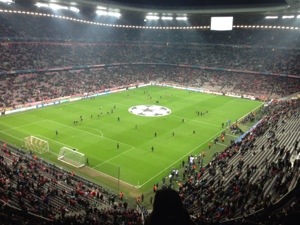
A European away trip is a rare pleasure, but when Arsenal drew Bayern Munich in the ’round of 16′ of the Champions League I was very keen to make it happen. Two reasons. First, I’d had a superb time here in 2003, when Arsenal lost 3-1 in the snow. Second: it’s not every day that you get the chance to visit such a dramatic stadium as the Allianz Arena.

Before the football, the railways. Most Gunners fans hit the pub upon arrival in the city, and stayed there all day. My Dad and I decided to do something else: a mad dash into the Alps to ascend Zugspitze, Germany’s highest peak.

20130318-201157.jpg

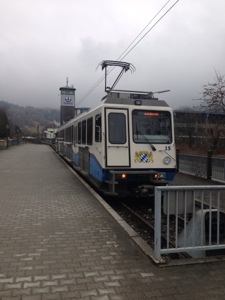
On arrival at Munchen Hauptbanhof we spotted Bob, part of the Bavarian mountain railway network. We took a lovely red chugger pulling over the Alps to Innsbruck for the 90 minute trip to Garmisch-Partenkirchen. Here we boarded the Bayerisches Zugspitzbahn, the sort of wonderful mountain train you find all over Switzerland and it was a joy to discover on a quick jaunt from Munich.

20130318-202253.jpg

This train chugs up past ski schools and Alpine farmsteads until it reaches Eibsee, at which potent it plunges into the mountain and zig-zags up through the rock before emerging at the top of Germany. We we both lacking time to get to the 2588m summit and any guarantee of visibility once e got there, so de-trained here.

20130318-202628.jpg

Five minutes away was Eibsee itself, frozen and still in the snowy silence. Time to throw a few rocks, enjoy an unusual Alpine outing then start the journey back to Munich. No mountain spectaculars but plenty of atmosphere and the ever-pleasant feeling of doing something silly.

Back in Munich, we had time to have a quick beer a the Augustiner beer hall before catching the bus to the ground. Here history repeated itself. On my last visit I’d sat ate the only table not occupied by very jolly Arsenal supporters and been joined by two Bayern fans who were excellent company, speaking impeccable English and chewing the fat over the match to come. They also drank very large glasses of beer that made our pints look somewhat softie.

Off to the ground, striking from outside and a bubbling cauldron of noise from within – until we scored at least.

20130318-203209.jpg

20130318-203246.jpg

Pope Francis I was elected while we were in Munich. He nearly pulled off his first miracle in overturning an impossible deficit but it was not to be. After an exciting game, we headed back with sore throats and tired for the flight home, returning to a snowy Luton Airport. I returned to the following charming welcome at work the following day.

20130318-203418.jpg

Arsenal away: the years roll by but nothing stirs the soul in quite the same way.

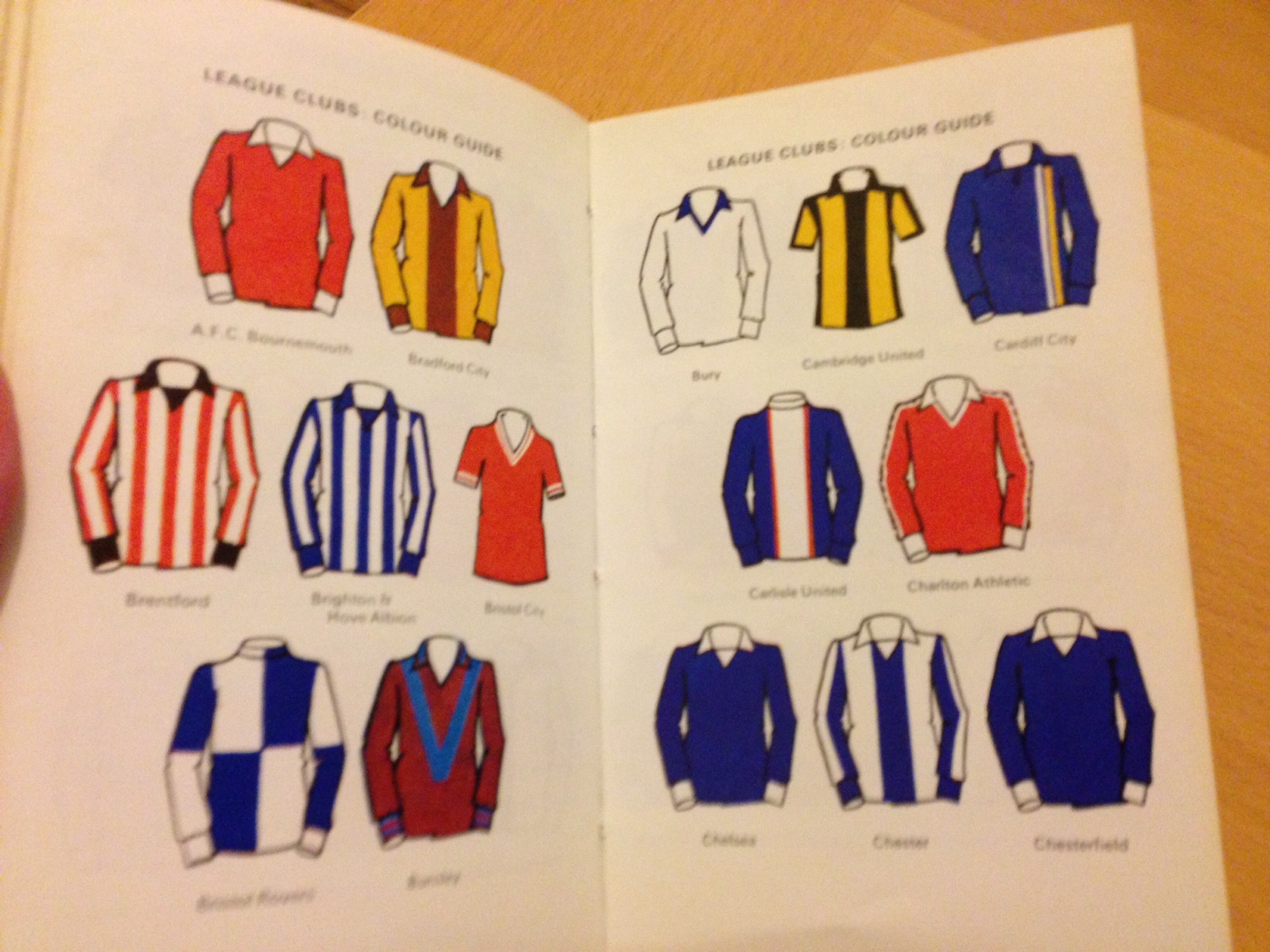
The Observer’s Book of Soccer retro kit bonanza insert

Legendary football statistician Albert Sewell penned the Observer’s Book of Soccer, a suitably pocket-rocketesque contribution to the canon of Observer’s books.

Cover I picked up a copy of the fifth edition, with powerhouse striker Malcolm ‘Supermac’ Macdonald in his Arsenal pomp gracing the cover, on holiday in Lyme Regis from the wonderful Sanctuary Bookshop. More on Lyme to come soon.

The inside is a collection of facts and figures from around the world of football in the late seventies and includes a wonderful colour insert detailing the kits of the league clubs of the day. Sorry for the grainy pictures but you should get the idea.

P1 The highlights of this retro kit bonanza start immediately – note Blackburn Rovers’ harlequin collar and neck line.

P13

Burnley’s blue chevron must have made many a Lancastrian lass’ heart skip a beat on an otherwise drab Turf Moor afternoon. And surely Cardiff would have graced the top flight a little sooner had they stuck to the natty number above rather than cashed in and changed colours altogether. In fairness, the colour change appears to be helping somewhat at the time of writing.

P14

Coventry’s motoring heritage is reflected in their dazzling Autobahn-esque sky blue special.

P3

Of all the kits here only Middlesborough are still rocking a round neck. Ayresome.

P8

Port Vale’s sleeves are quite breathtaking. Was there a short-sleeve version?

P5

This was the Tottenham kit worn by a young Glenn Hoddle. They didn;’t win much then either but they looked good.

P6

West Ham have surely never looked better. As for York City, Y not?

P11This page deals with goalkeepers and international kits. The best ever Welsh kit, bar none. And the yellow goalkeepers top severely marked ‘internationals only’.

You often find this and other ‘Observer’s’ books knocking around for a few quid and there’s always something new to learn in them. Highly recommended.

Kraftwerk – Radioactivity (and more) at the Tate Modern

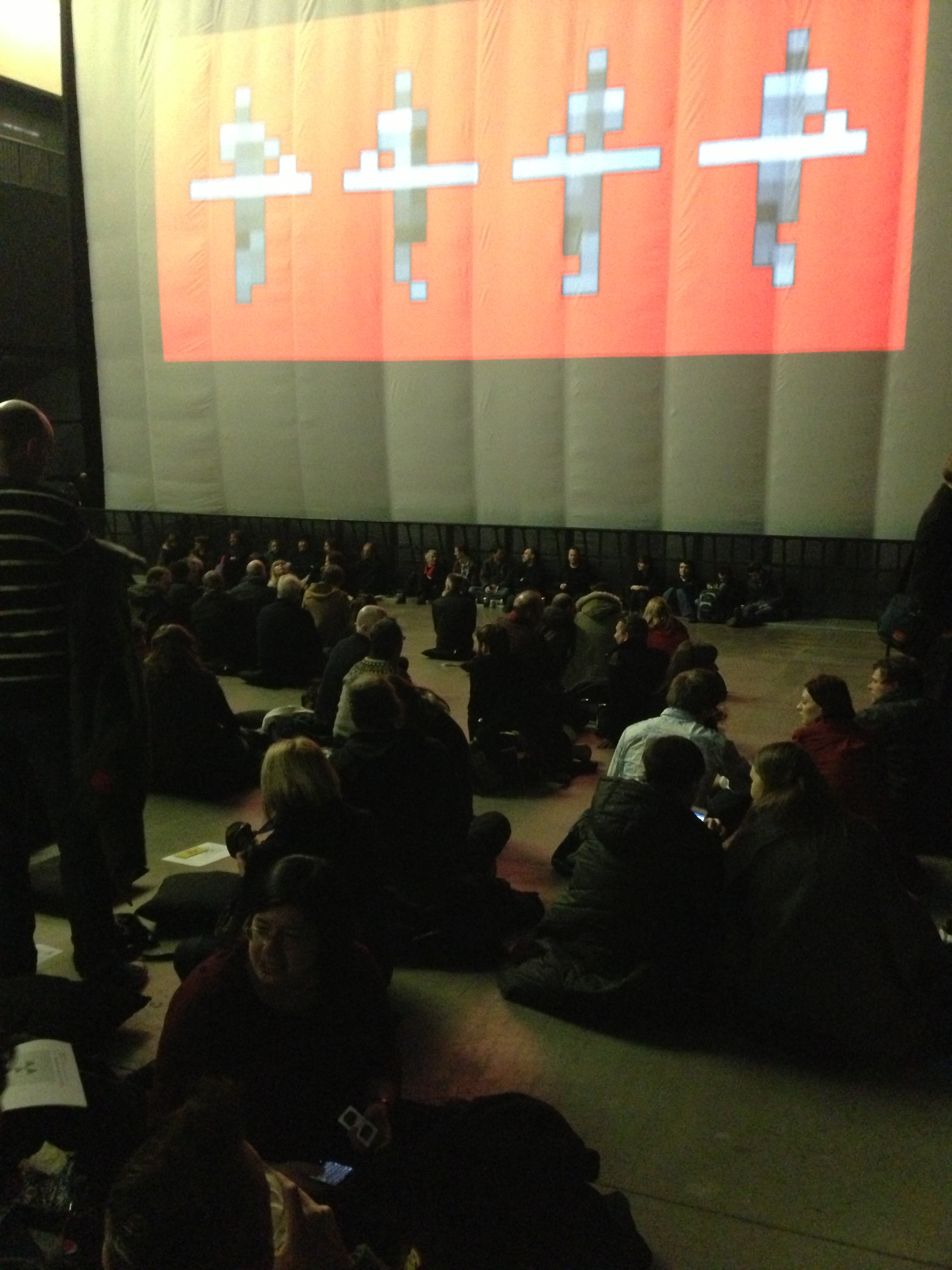
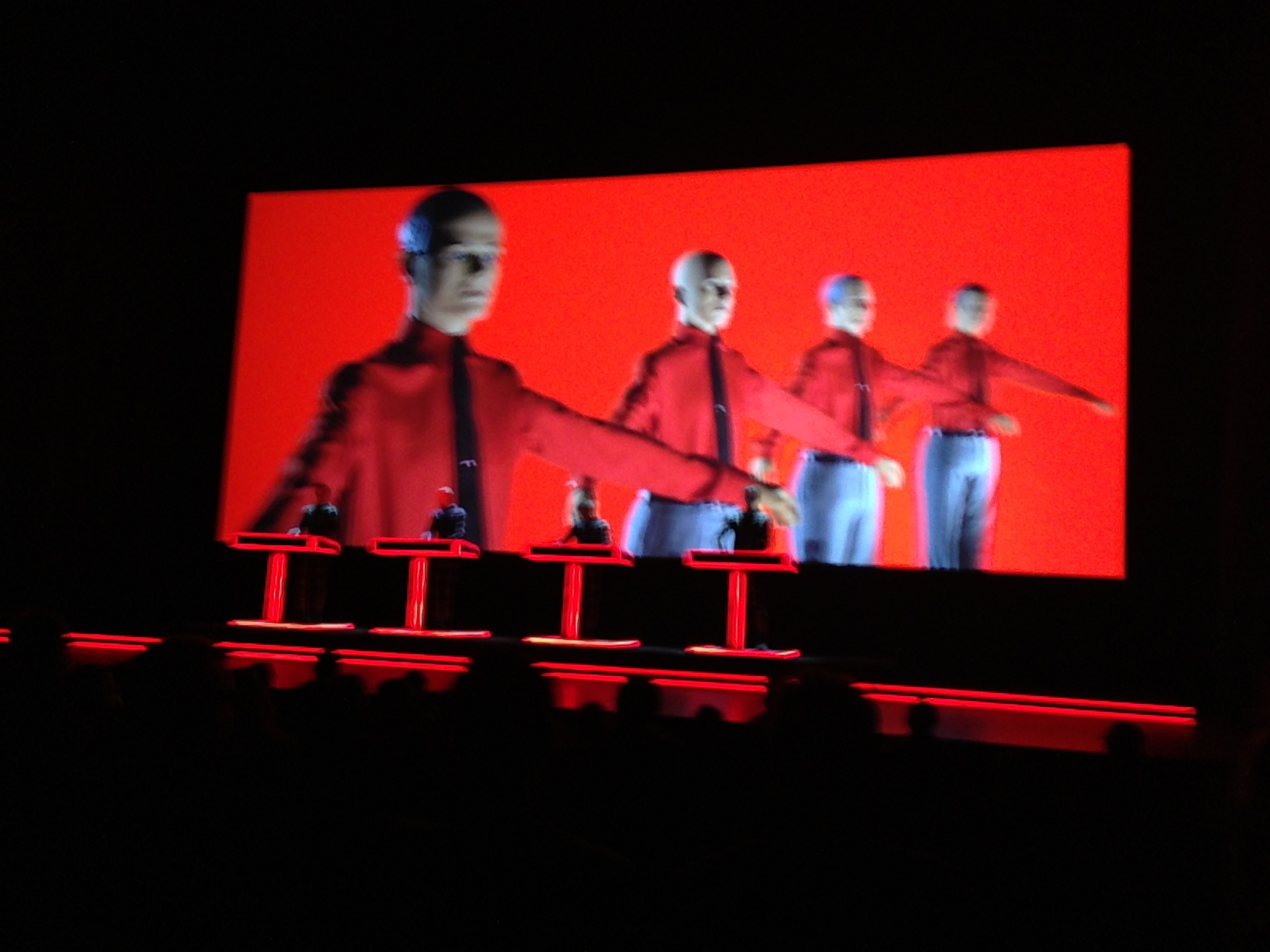
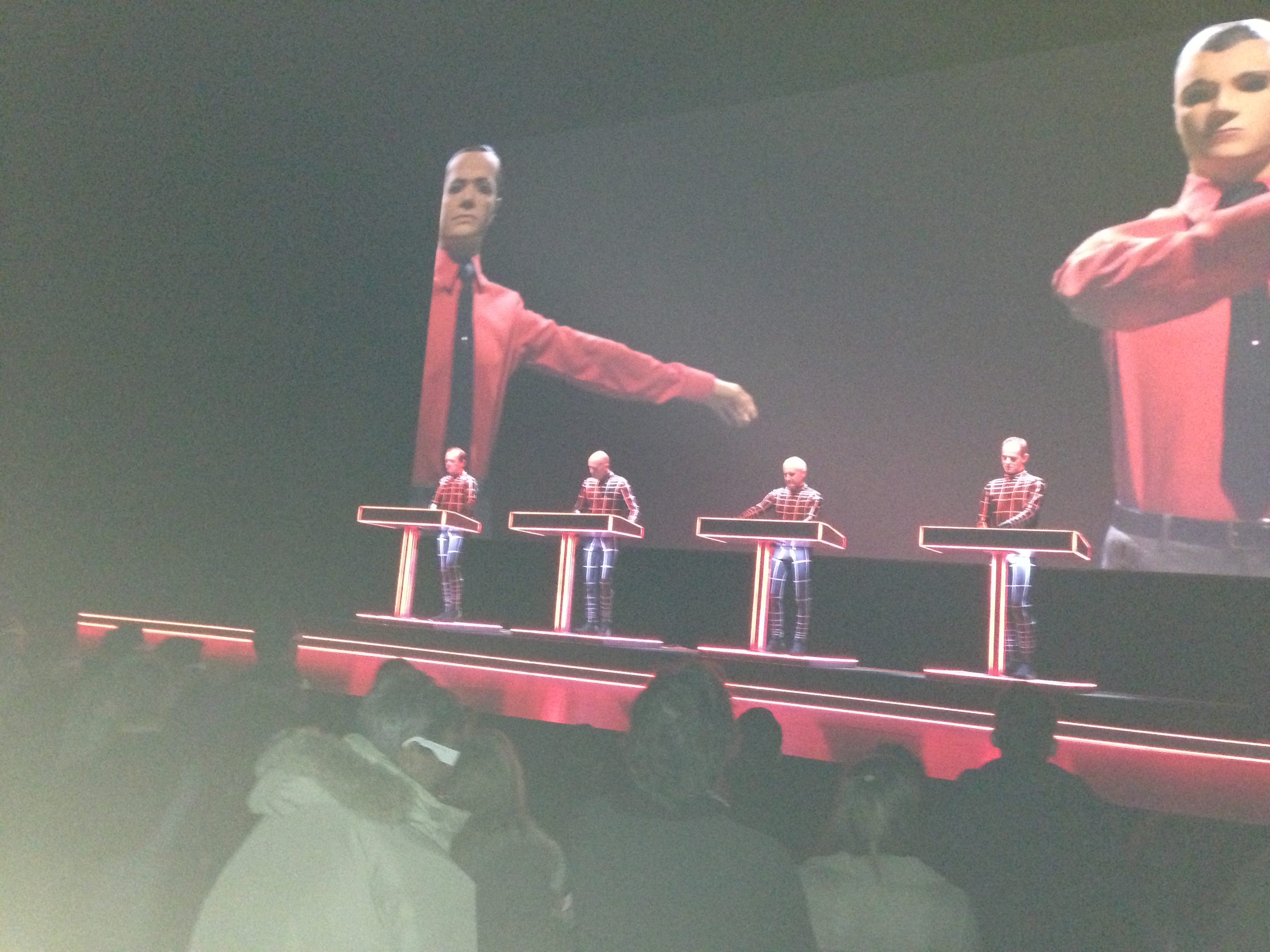
Here are a few photos from Kraftwerk’s show at the Tate Modern that I was lucky enough to go to last night. They played Radioactivity pretty much in full, plus plenty of their best-known songs to a light and 3D effects show that made for one of the most astonishing concerts I can remember.

Image

On entering the Tate Modern we were given wristbands, 3D glasses and an information sheet explaining the band’s importance and how the show would work. It said they’d be on at 9pm. They arrived at 9pm on the dot.

photo 2

The show took place in the middle of the Turbine Hall. This is an immense space and less than half of it was used. The stage was at the foot of the slope on the western side of the hall. Cushions were issued  but everyone stood up and danced when Kraftwerk came on.

The sonic accompaniment to the backdrop above was typical distorted vocal sounds, like the first sound of ‘Ohm sweet ohm’. These got more frequent and louder as 9pm approached.


Image

The first song was We Are The Robots, accompanied by amazing 3D effects – words and symbols flying over the heads of the crowd.

Image

We were right at the front. Only 1000 people were in the venue (someone else said it was 700, I’m not sure) and there was lots of space at the front.

Ralf Hütter, the only original member of the group still performing, is on the far left.

photo 4

We’d been promised a Gesamtkunstwerk (full artistic synthesis), but the two-hour set felt more like a regular concert than I was probably expecting. Contrary to the image, the four chaps on stage danced about a bit – though they never left their control panels. Hütter sang the vocals on several songs which I also wasn’t expecting. There’s a lot of humour in Kraftwerk and it was hugely fun.

photo 5

Friends who had seen them before felt that hearing more obscure sections of Radioactivity was the real treat of the evening. This is the visual from Radioland .

Bonus points for Kraftwerk-enthusiasm go to the man in a knitted Man Machine jumper. From Russia, he told us, but bought in Sweden for him by a friend who was a ‘moderate’ Kraftwerk fan. I figured I would not get too high up his scale of mania for the band as I did not own a pair of Kraftwerk socks.

Image

At the end of a hugely enjoyable set the band left the stage one by one, the sound reducing by a clear element at each point of departure. Hütter was left on his own for a minute, then the electro-pioneer exited the stage.

Strange characters from Victorian football

Part one: Major Marindin and Queen’s Park FC

The further I dig into Victorian association football, the more its strangeness and distance from the modern game becomes clear. The early years of the organised game were played by amateurs, initially pulled from public schools, then rapidly joined and surpassed by working men who learnt the game on public recreation grounds in industrial cities.

Before the Football League was founded in 1888 the game revolved around the FA Cup, then competed for by clubs from all over the United Kingdom. Glasgow Rangers reached the semi-finals of the (English) FA Cup in 1886-7, losing 3-1 to eventual winners Aston Villa at Nantwich Road, then the home of Crewe Alexandra. It was the club who today are their Glasgow rival in the Scottish Third Division, Queens Park, who have the finest playing record of all Scottish clubs in the FA Cup.

Queens were the pioneers of football north of the border and great movers in the shaping of football overall, and were for many years members of the Football Association. They played in the semi-finals in the first two FA Cup tournaments, losing twice. On both occasions they did not play a match before the semi-finals due to the logistical challenge of travelling to England to play.

After a gap of several years, during which time Queens entered the cup but withdrew without competing, the Spiders (or ‘senior club’ as they were referred to) went one better and reached the final in 1883-4. Here they met Blackburn Rovers, and, the man in black, referee Major Marindin.

Blackburn Rovers were something of a crack side, but Queens Park fancied their chances and were expected to do well at the Kennington Oval. 14,000 were in attendance to see Rovers triumph 2-1, but it was not without controversy.

Marindin

Enter Major Francis Mandarin. A player with the Royal Engineers (with whom he served in the Crimean War, which rather highlights the ancient era we are discussing), he had lost in the 1872 and 1874 finals. He was clearly the right sort of chap, as he served as President of the Football Association from 1874 to 1879. As if that wasn’t enough, he refereed the finals in 1880 and from 1884 to 1890.

Prince William is the current President of the FA. I can’t see him reffing one cup final, let alone eight of them.

Marindin is, then, a key figure in the early history of the game. In Glasgow, though, his name is muddied by his decisions in the 1884 final Richard Robinson, in his superb history of Queen’s Park 1867-1917, laments how Marindin cost the Scots the cup.

It is true the Queen’s Park were “refereed” out of the game by Major Marindin, whose views on the “off-side” rule were peculiar and vain…

The heart of the matter was the offside rule, and the difference between English and Scottish interpretations of it. Robinson notes two Queen’s goals disallowed were “from a Scottish perspective, legitimate.” Or was this the nub of the issue? Marindin also disallowed one goal for Rovers, and the final score of 2-1 to the Lancastrians remains a contentious one. The referee then did something interesting.

On the Sunday after the match he came to the hotel (that Queen’s Park were staying in), and told the team they had the ball through the Rovers posts a foot, and did not claim, and also that the first Rovers goal was offside, but no appeal was made.

One suspects Mark Clattenburg would not offer Chelsea or Manchester United. such bitter-sweet feedback the day after a Cup Final defeat.

Queen’s Park made the final again the following year, and again lost to Blackburn Rovers, 2-0 this time. The Major appears to have not invoked Scots ire this year.

Marindin disappears from the record books after the 1890 final, when Rovers again won the Little Tin Idol. He had to contend with a pitch invasion at the end of the 6-1 drubbing of Sheffield Wednesday, but lived on until 1900. He is buried in Torryburn near Dunfermline in Scotland, somewhat appropriately as his name is forever tied in with that long-lost era of Scottish heroism in the English Cup.

**UPDATE**

Martin Tyler’s Cup Final Extra, published in 1980 and compiling reports from every Cup Final up to that point, offers some further glimpses of Major Marindin.

The Major, as noted above, took charge of the 1887-88 final, which saw Preston North End take the cup to go with their Football League Championship. Before the final tie was played, North End were, legend has it, so confident of victory that they asked Marindin if they could be photographed with the trophy. Marindin is said to have replied: ‘Had you not better win it first?’

Eating alone on the road

I recently confided in a colleague that I was utterly unable to decide where to eat while travelling alone. The miles I had trudged, unable to commit to one perfectly adequate place to eat over another, convinced me that I was deeply mad, and wholly alone in suffering from this condition. To my surprise, being an entirely normal person, she said that she did the same, which I found both delighting and concerning for the human race. I was not alone, but if there are too many of us being possessed by inexplicable reluctance to plunge into a restaurant, when very hungry, then there is little hope for humankind’s continued existence.

And yet, tonight, I may have seen the first rays of light. Peckish after a lengthy journey to Valencia, I found myself, against every instinct in my body, walking into a lovely-looking bar serving tapas. It was small and intimate and full of couples and small groups. Terror gripped me. I wanted with all my fibre to flee for the hotel room and a big bag of Doritos.

And at that point something else gripped me. The hand of the manager of the bar, who was on the phone taking a reservation as I stood next to him being awkward. He continued, firmly, to keep a hold of me, and then seated me at the bar. I ordered something quite at random. It turned out to be a rather surprising dish of black pudding spring rolls served with a beetroot dressing in a kind of cream sauce. I’m no foodie but it was fabulous. And, after paying, admittedly rather swiftly, I strolled home feeling very pleased with myself.

The moral of the story? Fight the instinct to flee. Order anything. Take a book or fiddle with your phone if you’d prefer. Eating out, alone, is hard, but the rewards are better, possibly, than too many Doritos.