London, 1802

Milton! thou shouldst be living at this hour;
England hath need of thee: she is a fen
Of stagnant waters: altar, sword, and pen,
Fireside, the heroic wealth of hall and bower,
Have forfeited their ancient English dower
Of inward happiness. We are selfish men;
Oh! raise us up, return to us again;
And give us manners, virtue, freedom, power.
Thy soul was like a Star, and dwelt apart;
Thou hadst a voice whose sound was like the sea:
Pure as the naked heavens, majestic, free,
So didst thou travel on life’s common way,
In cheerful godliness; and yet thy heart
The lowliest duties on herself did lay.

William Wordsworth

The best way to see Hagia Sophia, Istanbul

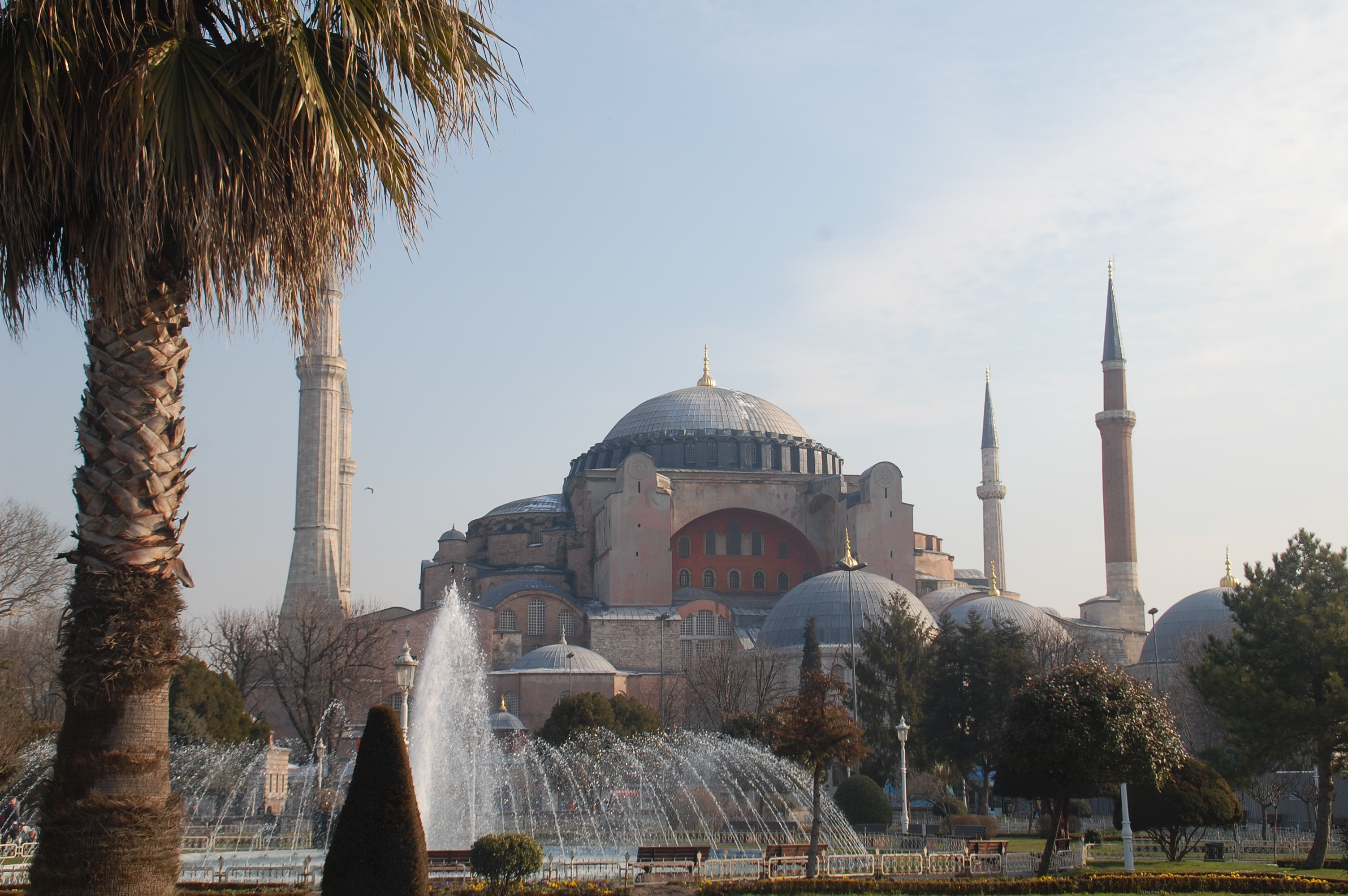
Hagia Sophia, (Aya Sofya or Holy Wisdom) may just be the world’s most wonderful building.

Hagia Sophia, morning, March 2011 - wonderful, busy, but not wonderfully busy. Note snow on dome.

It goes without saying that at some point on your visit to Istanbul you simply have to pop in. Like many of the world’s great icons it pulls a mighty crowd, especially when the Turkish city’s Karakoy cruise terminal has a few big boats moored. In summer months it can seem like every single person on board is jostling for a moment of peace under the dome constructed in the reign of Justinian, and arguably never bettered.

I was lucky enough to make my third visit to this magnificent basilica, now a mosque, last weekend and have a few suggestions for how to make your stay here as magical as it should be.

1. Arrive early
Like so many unmissable places, arriving early is a great way to shake off the crowds and enjoy it when it first opens. On my recent trip I was the 10th person in the queue, but as those in front of me dawdled outside I was the second person in. As I passed through the Imperial Gate into the nave the sun was shining directly through the easternmost just below the dome, straight into my eyes. And there was no-one there except me and a few security guards and a marvellous moggy or two who clearly has delusions of grandeur.

Byzantine mog

2. Take a quick look all around then head upstairs
Crowds congregate around the altar and mihrab, and the circle of marble where Byzantine Emperor’s were crowned and most of all, around the mosaics. Explore in detail at your leisure, but if you’re in early take a quick look around the nave then head up through the labyrinth to the galleries, where most of the mosaics are.

3. Have John Freely in your pocket
Strolling through Istanbul by John Freely and Hilary Sumner-Boyd is a crucial companion for your visit. It will guide you around the main sites of Hagia Sophia, give you details on the history of the building including its role in the Fall of Constantinople in 1453 and take you to some lesser-known features of the place, including a hard-to-find graffito of a medieval galleon which can form a fun treasure hunt for kids. It’s great for the whole city, too.

4. Look around outside
Lots of people park their bottoms on some of the stones outside the narthex (porch) that you enter the building by to rest a while before or after a visit. Not all realise these are the remains of the original Hagia Sophia, built by Theodosius II and finished in 405. These make up a very ancient and very different building. Take a while to have a look at them, if large buttocks don’t get in the way.

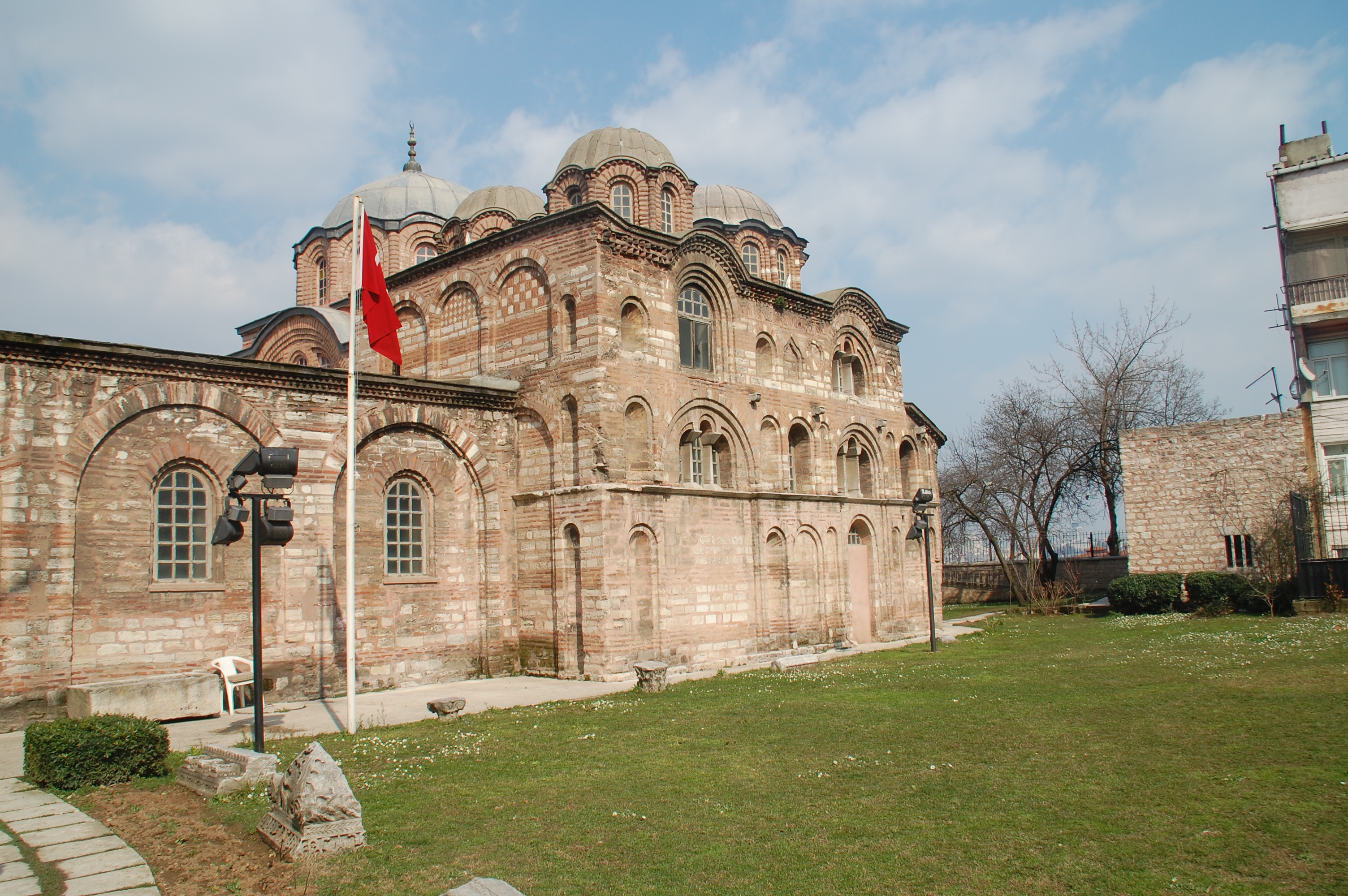
If you see this then you've found Pammakaristos Church

5. See a few other churches
Hagia Sophia is not the only amazing Byzantine church in Istanbul. On a previous visit I had a wonderful visit with my family to Little Hagia Sophia a few minutes walk away. Hagia Eirene is also easy to visit, in the grounds of the Topkapi Palace, and its radically austere decoration comes as quite a contrast. If it’s open, don’t miss it. Best of all are two harder to reach and less visited Byzantine wonders, the Church of St Saviour in Chora (ask a taxi driver to go to Kariye Müzesi) and the Church of Theotokos Pammakaristos (known as Fethiye Mosque and a fun walk from the Fatih Mosque, another must-visit). Both have breathtaking mosaics that are more complete than at Hagia Sophia and give some idea of the richness of old Constantinople, and how this richness was expressed in incredibly ornate and beautiful church decorations. You’ll also head well off the tourist trail into less-well-visited, more traditional areas of the city.

Hagia Eirene's sombre decor - or Andrew Eldritch's front room

Lastly, if you can’t do any of these things, still go, whenever you can. Hagia Sophia is enormous and has room for everyone. Spend a while admiring the marble columns and the northern balcony of the gallery and you’ll leave the crowds behind, and probably get the special, private moments that this sacred space offers to so many.

The barbers of the Antioch Gate

In Aleppo, as you pass through the right-left dogleg and half millennium of history at the Bab Antakya there’s a little treat just to your right. You may, if hairy, wish to duck in through the door almost behind you. In doing so you will enter the unnamed barber shop at the Antioch Gate.

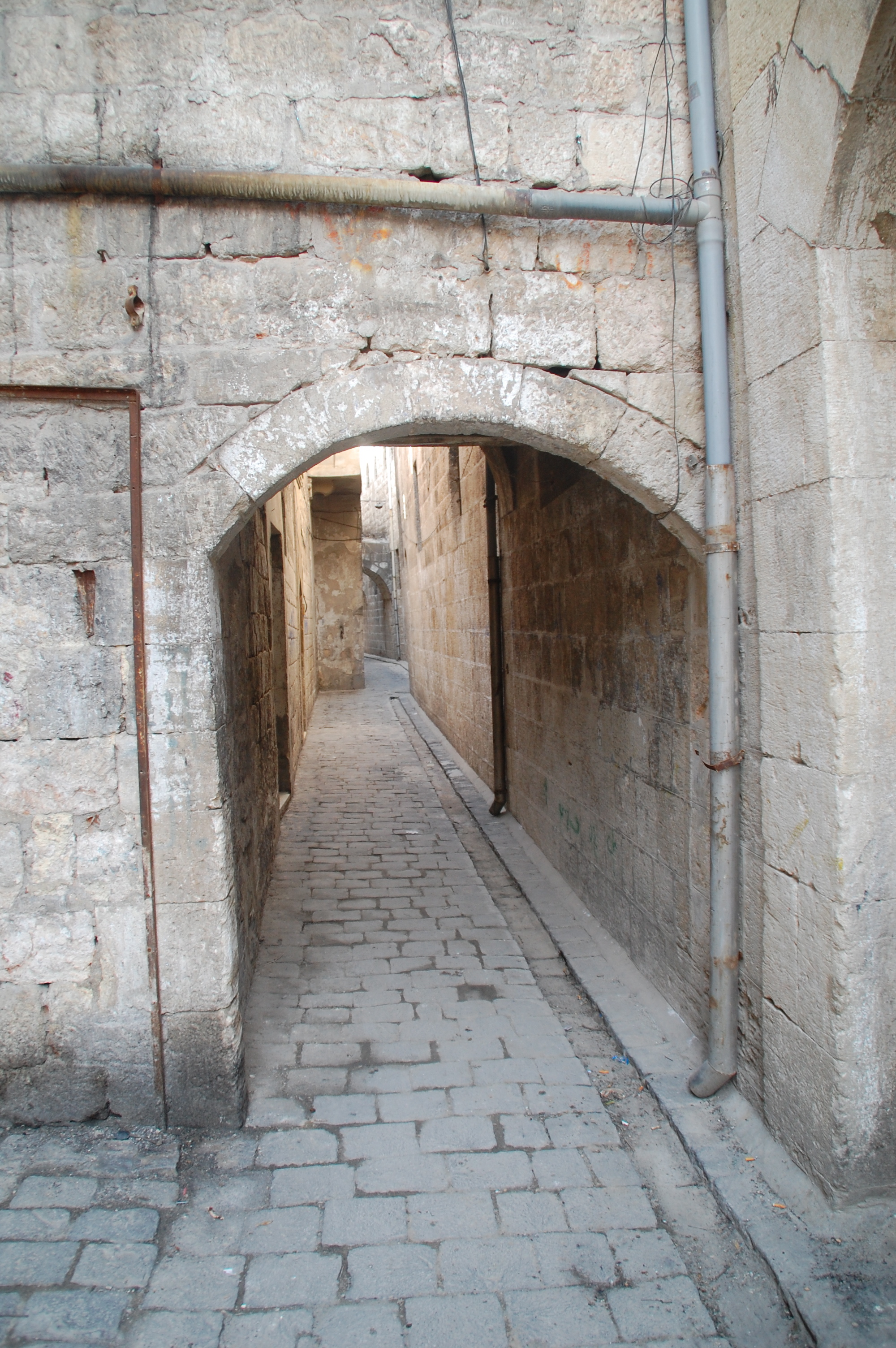
Aleppo's streets: some have no names

Inside are the usual elements of a men’s barbers. A ramshackle, no-nonsense setting only men would tolerate. None-the-less, here is a place for serious grooming. Cuts, shaves, eyebrow-threading are on offer, all to a backdrop of Arabic banter and incomprehensible, distorted football commentary.

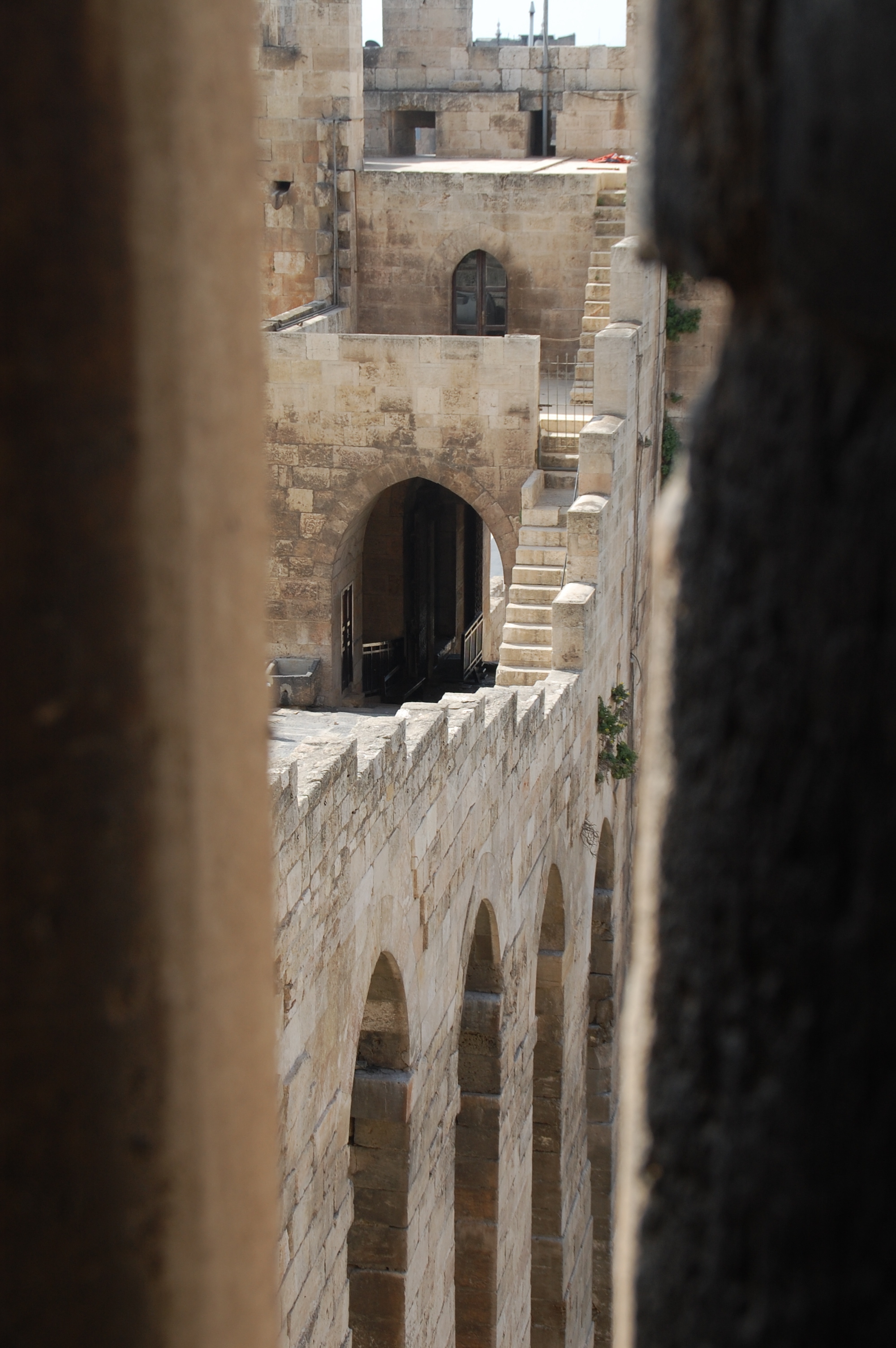
Archer's eye-view of the approach to Aleppo Citadel

Bakri, the young man with the cut-throat razor, didn’t speak much English, but we worked it out between us and he snipped calmly away. I pondered, as maybe you will if you visit, how long has there been a barbers here? Judging by the decor, at least since the French mandate. Maybe longer. Possibly centuries. Has a barber here shaved beards and cut hair for Ottomans, Mamluks, Ummayads, Byzantines? In Aleppo you sense that anything is possible and as  the answer isn’t clear, you may decide like I did that that answer is yes. What a splendid possibility. Bakri wicking hairs off your face will hurt enough to jar you back to the present.

Send a carte postale home from Syria

The Antioch gate is the perfect spot for a barber, the first and last thing many visitors to Aleppo’s Old City will see. After a trip to the Hammam, and smelling sweet, a shave and a haircut and a winning smile might just convince your loved one to put on some of that remarkably racy underwear for sale in the souq to the south of the Great Mosque.

Shave and a haircut, SP£300 (£4).

A quick, top travel tip

I often arrive in a hotel which requires you to put the room key into a socket to activate lights and power in the room. The only problem with this is that on leaving the room power is switched off, meaning you can’t leave phones or computers to charge while you go out and have fun.

There is a cunning way around this. The socket, in the vast majority of cases, is activated only by a key-shaped card rather than doing anything to check the key itself. You can usually get the power on by shoving an Oyster card (a London Underground pass) or other credit-card sized piece of plastic.

Now all you have to worry about is where you put your room key to make sure you don’t lose it.


Innsbruck – The world’s most scenic airport?

Innsbruck from the Nordkette rope railway

Innsbruck is a fine town: the capital of the Austrian region of Tyrol and a magnet for winter sports enthusiasts, some of whom are not incredibly tedious about their love for sliding down a snowy mountain.

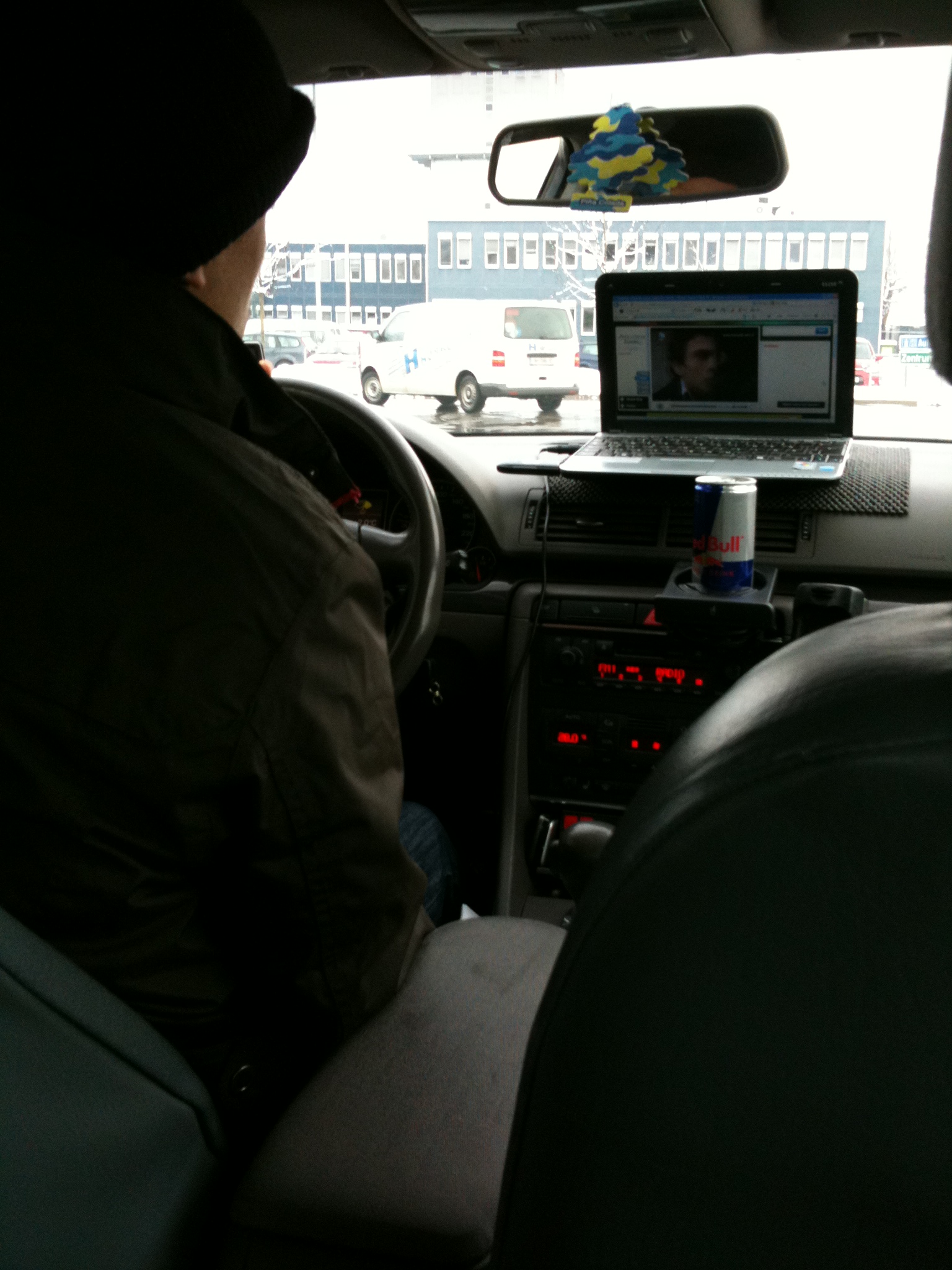
Unusual: Innsbruck taxi driver watches Turkish soaps streamed via mobile phone. While driving me into town.

It is unusual then that it’s airport is one of the best things about it. There are plenty of places in the world where the route out is the most attractive thing about the town, but Innsbruck’s aviation hub offers a  few attractions others cannot match. in fact, I’m going to stick my neck out and say it is the world’s mist beautifully-situated airport.

Scenic rubbish-storage area at INN

Simon Calder recently wrote that INN (Innsbruck Kranebitten) is a category C airport, one requiring great diligence and feats of piloting than softy hubs elsewhere. This means landing is a treat, and the brief seconds of wind-blown Alpine air before passengers are herded onto a shuttle bus to shuttle 30 metres is a joy. It is, however, taking a flight out of here that is a real treat.

I woke this morning on a fine, cold winter’s day in the City with the river Inn and the Nordkette mountain range looking lovely after fresh snow overnight. After one of those odd middle-European breakfast buffets (‘Can I offer you some cold meat, cheese, herring and black bread for your morning repast? This way sir. Your neighbours will all glare and you and silently smoke as you enjoy your meal.’) I took the cab ride to the airport, a ten minute hop from the Old Town.

The Terminal is small and nothing special, but on all sides is fringed by towering mountains. twenty miles or so to the east is the Brenner Pass, and this is some of the highest terrain in the Alps. Once through security the glass wall that forms the barrier between waiting area and runway offers an unbroken panorama of breathtaking mountains.

View from the Departures area

That’s it, really. A beautifully situated small airport with huge windows. This is one airport worth getting to early and buying a cup of the very good coffee served here. ‘Eine Macchiato’ is the phrase you’re after.

Anyone know of an airport with a lovelier setting?

Charing Cross and the centre of London

London is full of interest, but where does it end and begin?

The capital’s edges are ragged, a straggly series of fizzling out suburbs and streets on the fringes of the Green Belt, sometimes escaping the London Orbital, at other times giving way to fields surprisingly early. Take the Northern Line to its north-eastern edges at High Barnet or, better still, Mill Hill East and you’ll see the countryside unfold around you. It’s a trip to the countryside for a bleep of an Oyster card.

Where it begins is only slightly easier to answer. Most schoolchildren, or at least those who’ve spent time on long car journeys, will tell you that distances to and from London are measured from Charing Cross, but what does this mean? After all, there have been roads and measurements from London for longer than there have been railways.

The answer is, of course, that the Charing Cross in question is not the station, but the cross itself. Edward I’s crosses, erected across England as a memorial to his beloved wife, plotted a route that terminated at Westminster Abbey. The last was at the then-hamlet of Charing, a pit stop for merchants, aristocrats and pilgrims moving from London to Westminster. Various sources suggest the explanation of the name Charing as deriving from Cher Reine (Dear Queen) is a misnomer, and that Charing more likely comes from Cerring, an Anglo-Saxon word meaning bend. A cross stood here until 1647, when it was torn down by iconoclastic Puritans. And it was from this point that distances were measured. The lovely mural on the Northern Line platforms of Charing Cross Station by David Gentleman depict the construction of the cross.

The Victorians, being well-intentioned and aware of their past, built a fine and over-large reconstruction of the Charing Cross which still stands in the forecourt of the station. It was designed by E.M. Barry who also came up with the plans for Charing Cross station. Stop and have a look when you’re next passing – it’s remarkably easy to miss despite its size, with taxis and London traffic roaring past. This cross, however, is not in the original location. By the time they got round to building the reconstruction another memorial to another monarch was in situ where Charing Cross stood. It’s still there, in fact: the equestrian statue of Charles I, guarding the entrance to Trafalgar Square from Whitehall. Charles I’s statue pre-dates Trafalgar Square and was built in 1675, standing in the Royal Mews. Today it feels very much like the centre of London, surrounded by honking traffic and overlooked by Nelson’s Column, the National Gallery and facing down Whitehall to Parliament.

Wenceslas Hollar's drawing of Charles I

However, if that same schoolboy who is passing time on long car journeys gets the map out and follows older roads from their inter-city origins through the M25, the circular roads and the old Ring Road deep into the heart of London he will discover something. Rather than stop at Charing Cross the A1 starts and finishes at London Wall. The A2 will come to rest in Borough, while the A3 and the A10, the old Cambridge Road, both terminate at the northern end of London Bridge, at the junction of Cannon Street and King William Street, the A3 crossing London Bridge to do so.

Central central London

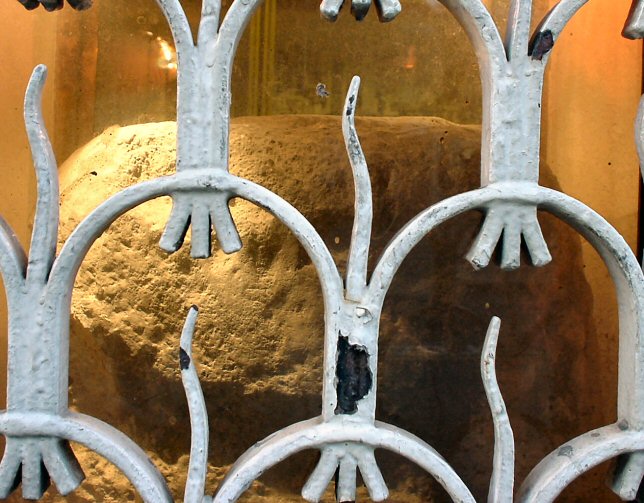
Why do these roads reach their end at the junction of Cannon Street and King William Street? The answer is to be found on Cannon Street – once called Candlewick Street – in an innocuous-looking window behind a painted grille. Here is a chunk of ancient rock. The London Stone is of deep and unknown antiquity, possibly as old as London itself, and may have been part of a Roman building or the mile stone from where Romans measured distance all over Britain. You wouldn’t know it to walk past it today but the stone once occupied a place in the hearts of Londoners akin to how Scots feel about the Stone of Scone. The truth is lost, like so much of London’s history, in the mists of time.

We shouldn’t feel too bad though: no-one knew what all the fuss was about when John Stow was writing about London at the end of the sixteenth century.

Free the London Stone

I don’t know why the centre for measuring distance shifted west from the Stone to the Cross. At a guess, at some point an official designation had to be made for government administrative purposes and Charing Cross was chosen as it was near to both King and Parliament, rather than continuing with an ancient convention for its own sake. If anyone knows I’d love to know.

Other countries have interesting marks as their centre. Paris, and France, has Notre Dame Cathedral as Kilometre Zero, while the zero milestone in the United States is close to the White House in Washington DC. Rome goes for the top of Capitoline Hill. What’s the centre of your town?

Eritrea’s amazing cableway

If you haven’t been to Eritrea then you’re not alone – but you are missing out.

The tiny Horn of Africa state hasn’t been a country for very long. It gained independence from Ethiopia, after a protracted insurgency, in 1991, cutting its former landlord off from the Red Sea in the process.

Where is Eritrea?

The few visitors who have ventured to this remote corner of Africa are tempted by tales of Asmara, the country’s enigmatic capital. The Italian occupation of Eritrea from 1890 to 1941 left behind a rich and astonishingly complete legacy of Modernist architecture. If you can’t get there Edward Denison’s Asmara: Africa’s Secret Modernist City is a wonderful compendium of the wonders that await. It’ll probably make you go, by the way. That’s no bad thing.

There’s more to Eritrea than this, including excellent diving and vague archaeological sites you can have all to yourself, but Asmara was what drew me here. After a day or so of strolling around laid-back streets, sipping macchiatos in old-school cafes on Harnet Avenue and joining Asmarinos on their nightly passegiata peregrination around the city I was ready to explore further. There was another reason:  I fell over in Cinema Impero while trying to make my way in pitch blackness to a seat. Two vintage Modernist seats gave way. It was time to leave town before I broke anything else.

I offered to pay for the breakages but they wouldn't let me

There are two options for getting to the coast at Massawa, a bombed-out Zanzibar with a similarly timeless atmosphere. One is to club together with a load of railway enthusiasts and charter a train. The more usual one is to hop on a minibus which gets loaded with people, shopping and the odd goat for the seventy mile, 2000m descent to the coast.

It wasn’t always like this though. One other legacy of colonial rule was one of the most unusual forms of transport: the cable-car system known as the Teleferica Massaua-Asmara. This strange and very long system of cables, way-stations and goods carts was the fastest way to shift goods from the port to capital, and as you can see from this photo the odd passenger snuck on board.

The system was dismantled by British administrators of the area when the Italians w ere overwhelmed in 1941 but some traces do remain.

On the journey from Asmara to Massawa the road plunges through hairpin after hairpin, and if you can take your eyes off the road which is much easier going up than down you start to notice huge concrete blocks dotted along the route, These are the bases for the pylons that carried the cable way. Have a look at the Trainweb link at your leaisure. It is another rich source of information, reproducing a brochure produced at the time lauding the cableway, and gives you a good idea of how different the landscape would have looked with this audacious creation in operation.

This picture’s caption notes that it was taken, by John Brantley, while stationed in Eritrea at the Kagnew station in the 1940s. It’s a Wikimedia Commons image and I am indebted to him for posting it.

There have been, astonishingly, other cableways of similar long lengths. The COMILOG cableway ran between Gabon and the Republic of Congo for nearly fifty miles between 1959 and 1986. There’s fun to be had around the web finding out more.

You should visit Eritrea but you may not wish to rush. Power cuts and shortages marked my visit and those who have been more recently suggest that travel permits are widely required. It is a beautiful and friendly country but not without troubles. I didn’t do it for you by Michala Wrong is a vivid and readable history.

Cableways are cool and Eritrea is a unique place.

Northampton’s Eleanor Cross

The Taj Mahal is often celebrated as the world’s finest monument to love. Shah Jahan’s wife’s mausoleum is indeed impressive, but England’s Eleanor Crosses run it a close second.

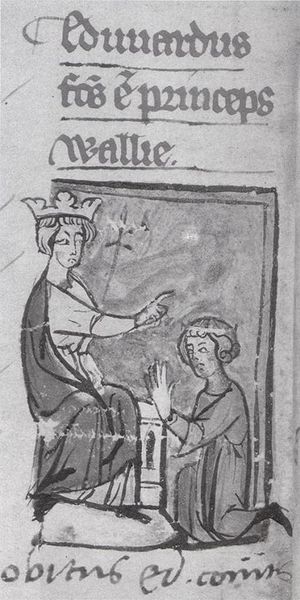
Edward I with his sequel, Edward II

The story starts with Edward I, King of England from 1272 to 1307 and also known as Edward Longshanks on account of his great height. He was 6″2 , which may not be excessively tall to you and me, but to a 14th-century peasant who doesn’t believe in eating greens, walks with a hunch and towers over only Ronnie Corbett he’d have been an intimidating sight. With the weight of monarchy behind him he wouldn’t have had much trouble getting his bidding done. Among other things, he’s also known as the Hammer of the Scots and copped flack from Hollywood in Braveheart for his treatment of them.

Ed & El

Anyway, whatever the man’s faults he loved his wife, Eleanor of Castile, very, very much. This wasn’t a given in medieval marriages, and royal matrimonies were almost always strategic and political rather than romantic. If you liked your partner it was a bonus, and the truth was often very different. She died in November 1290 and Edward was grief-stricken.

Eleanor died near Lincoln, and her body moved in slow procession, returning for burial in London. Twenty miles a day would have been fast for a journey of this kind, and the Queen’s remains paused twelve times on its journey to Westminster Abbey. Each was originally marked with a wooden cross, later with a lavishly decorated stone cross. In London, there was one on Westcheap, today’s Cheapside. One formed the original Charing Cross. Only three survive: one at Geddington, near Corby; one at Waltham Cross – hence the name and one between them at Hardingstone, Northampton. I place this one last because I was lucky enough to pay it a visit this week.

The M1 is very, very familiar. My Dad once said he’d driven it so many times on away trips with Arsenal, family holidays and runs up to Sheffield and Leeds to drop off and pick up university-bound sons that he could do it with his eyes closed. The familiar landmarks and service stations haven’t changed much over the years. The Biling Aquadrome* sign remains baffling. What is an aquadrome anyway? On a trip to Leicester with some friends to see a band which never showed up we detoured off at Junction 15 bound for the Hardingstone Cross.

We wondered how many of the drivers roaring along the A508 and A45 understood the provenance of Queen Eleanor Interchange, the most visisble modern sign of the cross. The roundabout is busy enough to spook an entire royal entourage and as we dodged our way around it cars tooted and hooted. Rush hour traffic has no time for 820-year-old memorials. We, however, were bright-eyed as we neared the fringed of Delapre Park, on the site of the Abbey where Eleanor’s body rested all those years ago. And there it was, on a broadly sloping hill with views of Northampton beyond.

Though it was night, the Cross was well lit and you could clearly make up that it was missing its top section. The remainder was well-preserved and superbly lit on a cold December night. Someone’s proud of it, even if there are no signs to say what you’re looking at. The semi-detached houses opposite have quite a view. As it was dark the only picture I have is a bit ‘arty’, but there’s a daylight snap here.

Eleanor of Castile, Queen of England never had a curry house named after her though. Mumtaz Jahan has several so is some sort of proof of primacy.

*Don’t click the link if you want to remain ignorant about Biling Aquadrome. I reproduce it without looking. Actually knowing what it is and what it’s for would be no fun at all.

How to do travel writing

Beware, long post!

Before I post this I should make it very clear that I am not making any claims for myself to be a successful Travel Writer, nor would I describe myself as a Serious or Proper Journalist. Like I suspect most people who write about travel I do other things with my time too, and manage to make writing one part of making a living.

There are bad places to visit

Why I’m writing this, however, is in response to the very nice emails that I get sent now and again asking for tips on ‘breaking into travel writing’ or amorphous concepts like that. I’ve found myself giving the same suggestions time and again. Maybe some of you might come to this site looking for suggestions. Either way, I hope you’ll take these suggestions in the spirit they’re intended.

It’s been nearly twelve years since I got my first job in travel, and in that time I’ve noticed a few things that link together most people who make some sort of a living from travel writing. They tend to be very driven and enthusiastic individuals, as I’d imagine is anyone who manages to make money from something lots of others aspire to do. They go to the end of the road, work contacts and check, check and check again. When it comes to wanting to find something out, the guidebook writer to a country tends to know first and best – almost always far better than the tourist office or embassy of a country. If you don’t share this drive then I am sure you’ll find getting going hard going.

Next, they love the world and they love to travel. There’s nothing too hard about this and it’s what brings most people to the idea of travel writing. Note that there are two words in this phrase though – travel AND writing. If you’re doing the former, are you doing the latter? Are you keeping a blog which is an instant portfolio for your work? If not, then you’re missing out on a chance to show and tell anyone what you do – and how well you do it. It should have your contact details on it too. A lot of freelance work comes my way from people finding my blog and emailing me. Others have had TV and radio work and even book publishing deals come to them through this route.

Bueno photo, Diego

A small reality check. Very few people are full-time travel writers. I know how bad my attempt at being Bill Bryson or Paul Theroux would be. I’ve no idea how good yours would, but publishers aren’t exactly falling over themselves to publish travel lit right now. If you’re not a celebrity then it’s very hard to get someone interested in your bike ride from Bognor to Bhutan. Don’t lose heart though, you may be able to sell some pieces about this trip either while you’re away or when back.

What most people think of when they think of travel writing is going somewhere, writing an article about it and being paid for it. Then maybe doing another, and another, and then making a living from it. In fact, the majority of travel writers spend much of their time writing or updating guidebooks and writing about things other than just travel. I’ve done guidebook work but I’m not an expert. For that, think about following some of the top-notch travel writers you’ll find on Twitter like Paul Clammer or Nicola Williams, and have a read of the Travel Writing book I mention below. Leif Pettersen’s blog post on guidebook writing is an excellent read. There are details on writing for Lonely Planet here.

So what about selling an article? Impossible? No. Difficult? Of course! If not everybody would be doing it. Selling pieces is a tricky business, and people often ask about whether to submit a precis or a whole piece. I’d go for the former, though sometimes the latter is more appropriate.

Put yourself in the shoes of the Travel Editor at a national newspaper. They’ve got great jobs on one hand, but don’t be fooled into thinking they travel all the time. Often, they’re the most desk-bound people in the industry, working very long hours to get that week’s supplement out the door or, increasingly, stretching their working days to produce fast-changing online travel sections. One Travel Editor once told me that they received something like 30 unsolicited pitches and articles from people they didn’t know every day. Over a month that’s 900 pitches. Of these, they may take one. Or two. They also have an avalanche of email from travel firms trying to promote their holidays, flights and packages. The tough truth is that your 1500 word piece, sent in for consideration, may not even get looked at. Instead, then, send a snappy 75 word summary of the piece, stressing why it’s of the moment and why it’s right for the audience of the newspaper. It needn’t be about travelling to the ends of the earth.

Another Travel Editor I spoke to last year, at the height of the second coming of British holidays, lamented the dearth of inventive pitches on corners of England she’d love to have commissioned articles on: Lincolnshire, Shropshire, Essex and Notts.

So that’s quite a hurdle to jump. Ask yourself this though: is your pitch sharp and suited for the newspaper or magazine’s audience? Is it topical? Don’t overlook the latter. You might have a great idea for New Zealand, say, but it may be better to wait until the Rugby World Cup next year, when the country will be in the spotlight. Similarly, move fast. American travel pages have had plenty of London coverage off the back of the Royal Wedding. That could have been you if you’d have been quick. You might even get a reputation as someone who can write and deliver accurate and relevant copy at short notice.

Before I move on to more cheerful matters I should also add that your article, when published and beautiful will get you somewhere between £200 and £400. That may not cover your costs. But think about how wonderful it is to see your writing in print, talking about a memorable trip. This isn’t all about money.

Is your piece on track or hitting the buffers?

The good news is that there are more ways in than there used to be. I’ve already mentioned blogging as a way of building a portfolio. You’ll find like minded travel bloggers and tweeters organising meet-ups all over the place. These are good ways to meet people and make contacts. You’ll find plenty of sites who’ll publish your work if it’s good enough. They probably won’t pay but the networking benefits are there. Like lots of tough jobs to start doing you may find it helpful to do some things for people for free. Lost of people disagree with me about this and say you should never, if you want to be a Serious Writer, write for free. Such decisions are interesting and await you down the road.

If all else fails there

Other tips?

I’d also strongly recommend getting hold of a copy of Lonely Planet’s Travel Writing guide, written by Charlotte Hindle. It’s full of useful tips.

Get some formal journalism training so you can use shorthand and understand how to structure news and feature pieces. I’m being hypocritical here as I don’t have this. I wish I had.

Take pictures too. This is especially valuable if you go somewhere interesting. I’ve lost commissions due to a lack of decent photos. Durr.

Always note you are writing for an audience rather than yourself, and know who this audience is. It’s not you. You should sit quietly in the background as the place and the people you meet come to the fore. The exception is when you do something stupid. Then you can push yourself out there as the hapless clown. Everyone like a good travel disaster story.

Lastly, and most importantly, I would urge you to commit to being excellent. I’m surprised at the number of people who send in pieces without having read and re-read them and polished the prose until it shines. Read it out loud. Ask someone else to read it. It’s your work, be proud of it.

Online Travel Journalist of the Year

Funnily enough I was awarded Online Travel Journalist of the Year at last night’s Travel Press Awards.


This is me getting a nice big paperweight from Francine Sheridan, LAX Los Angeles World Airports.

It was quite noisy so I couldn’t hear what they said, but the judges (thanks judges) liked my work with the Guardian, especially a special live Q&A for travellers stranded by the eruption of the Ejyafjallajökull volcano, as well as blog posts and use of social media.

The event was at Paramount at the top of Centre Point, one of London’s most iconic buildings. The views of London at night, especially St Paul’s and the City, were magnificent.

By the way, if you’re not in the US, you may have missed my recent appearance on Entertainment Tonight, talking about my specialist subject, the upcoming Royal Wedding.